
Spray Foam Insulation in Greater Kingston
Spray Foam Insulation in Greater Kingston
A Guide for Greater Kingston Homeowners

Spray foam insulation is one of the most effective insulation materials available for sealing, insulating, and improving comfort in difficult areas of a home. Unlike batt insulation, which is cut and fitted into cavities, spray foam is applied as a liquid that expands into place. As it cures, it forms a continuous layer of insulation that can help reduce heat loss, air leakage, drafts, and moisture movement.
For homeowners in Greater Kingston, spray foam can be especially useful because local homes face a demanding mix of winter cold, lake-effect moisture, summer humidity, and older construction details. Many houses in Kingston, Amherstview, Odessa, Napanee, Sydenham, South Frontenac, and nearby communities were built before modern air-sealing practices became standard. Even newer homes can have problem areas where conventional insulation leaves gaps around rim joists, crawl spaces, garage ceilings, basement walls, and complicated rooflines.
Spray foam is not always the cheapest insulation option. It is also not the right choice for every project. Its value comes from using it in the right places, where its ability to insulate and air seal at the same time can solve problems that other materials may only partially address.
What Spray Foam Insulation IS
Spray foam insulation is made by mixing two chemical components at the job site. When the materials combine, they react and expand, creating a foam that adheres to wood, masonry, concrete, metal, and other common building surfaces. Once cured, the foam becomes a rigid or semi-rigid insulation layer.
There are two main types used in residential projects: open-cell spray foam and closed-cell spray foam.
Open-cell spray foam is lighter, softer, and less dense. It expands significantly after application and can fill irregular spaces well. It has a lower R-value per inch than closed-cell foam, but it can still provide strong thermal performance when installed at sufficient thickness. Open-cell foam is often used in wall cavities, roof assemblies, and interior applications where moisture exposure is not a major concern.
Closed-cell spray foam is denser, harder, and more moisture-resistant. It provides a higher R-value per inch and can add some rigidity to the surface where it is applied. Closed-cell foam is often preferred for basements, crawl spaces, rim joists, exterior walls, and areas where space is limited or moisture control is important.
The term “R-value” refers to resistance to heat flow. The higher the R-value, the better the material resists heat transfer. Closed-cell spray foam typically provides a higher R-value in a thinner layer, which is one reason it is often chosen when there is not much room to work with.
Why Spray Foam Performs Differently from Traditional Insulation
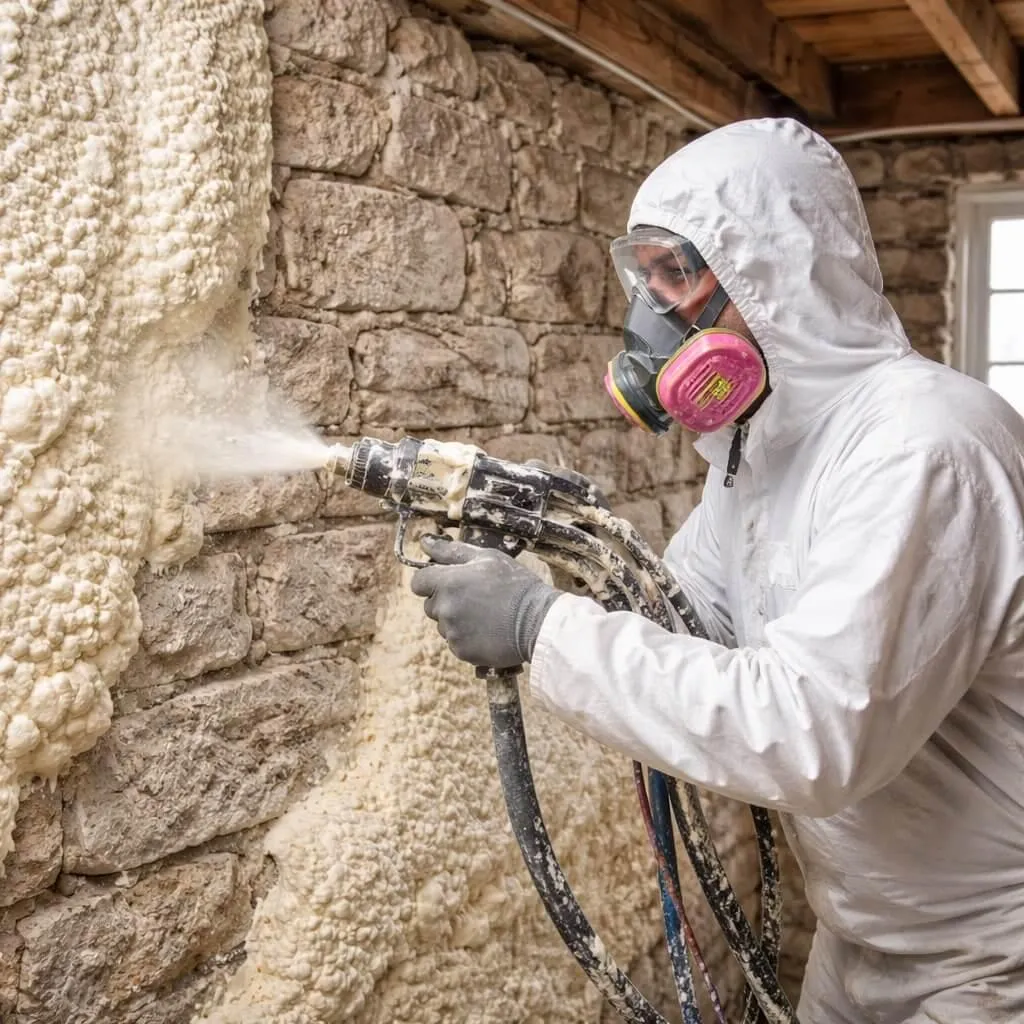
Most insulation materials slow down heat movement. Spray foam does that too, but it also helps reduce air leakage. This is the part many homeowners notice most.
A home can have plenty of insulation on paper and still feel cold, drafty, or uneven if air is moving through gaps in the building envelope. Air leakage allows heated indoor air to escape in winter and humid outdoor air to enter in summer. In Kingston’s climate, where winter heating costs and shoulder-season dampness both matter, air sealing can be just as important as insulation depth.
Fibreglass batts, mineral wool, and blown-in cellulose can all be effective when installed properly, but they do not automatically seal gaps. Spray foam expands into cracks, seams, and uneven surfaces, which makes it useful in areas where air movement is part of the problem. It can even be applied to limestone cellar walls to seal moisture and air leakage.
This is why spray foam is often used in targeted locations rather than throughout an entire house. A small area of poorly sealed rim joist, crawl space wall, or cantilevered floor can create a surprising amount of discomfort. In those situations, spray foam may deliver more noticeable improvement than simply adding more conventional insulation elsewhere.
Benefits of Spray Foam Insulation
The main benefit of spray foam insulation is that it combines insulation and air sealing in one application. This can improve comfort, reduce drafts, and help stabilize indoor temperatures.
In winter, spray foam can help reduce heat loss through basement edges, garage ceilings, attic transitions, and exterior wall gaps. In summer, it can help limit warm, humid air from entering vulnerable areas of the home. This may make rooms feel less sticky and may reduce the workload on air conditioning systems.
Closed-cell spray foam can also help manage moisture in certain applications. Because it is more resistant to water vapour movement, it is commonly used in basements, crawl spaces, and rim joists where condensation risk needs careful attention. In older Kingston-area homes with stone, block, or poured concrete foundations, this can be especially relevant.
Another advantage is durability. Properly installed spray foam does not slump or settle the way some loose-fill materials can. Once cured, it stays bonded to the surface and maintains a continuous layer, provided the building assembly remains dry and structurally sound.
Spray foam can also be useful where space is limited. Closed-cell foam’s higher R-value per inch can make it a practical choice in tight cavities, shallow framing, or areas where adding a thick insulation layer would be awkward.
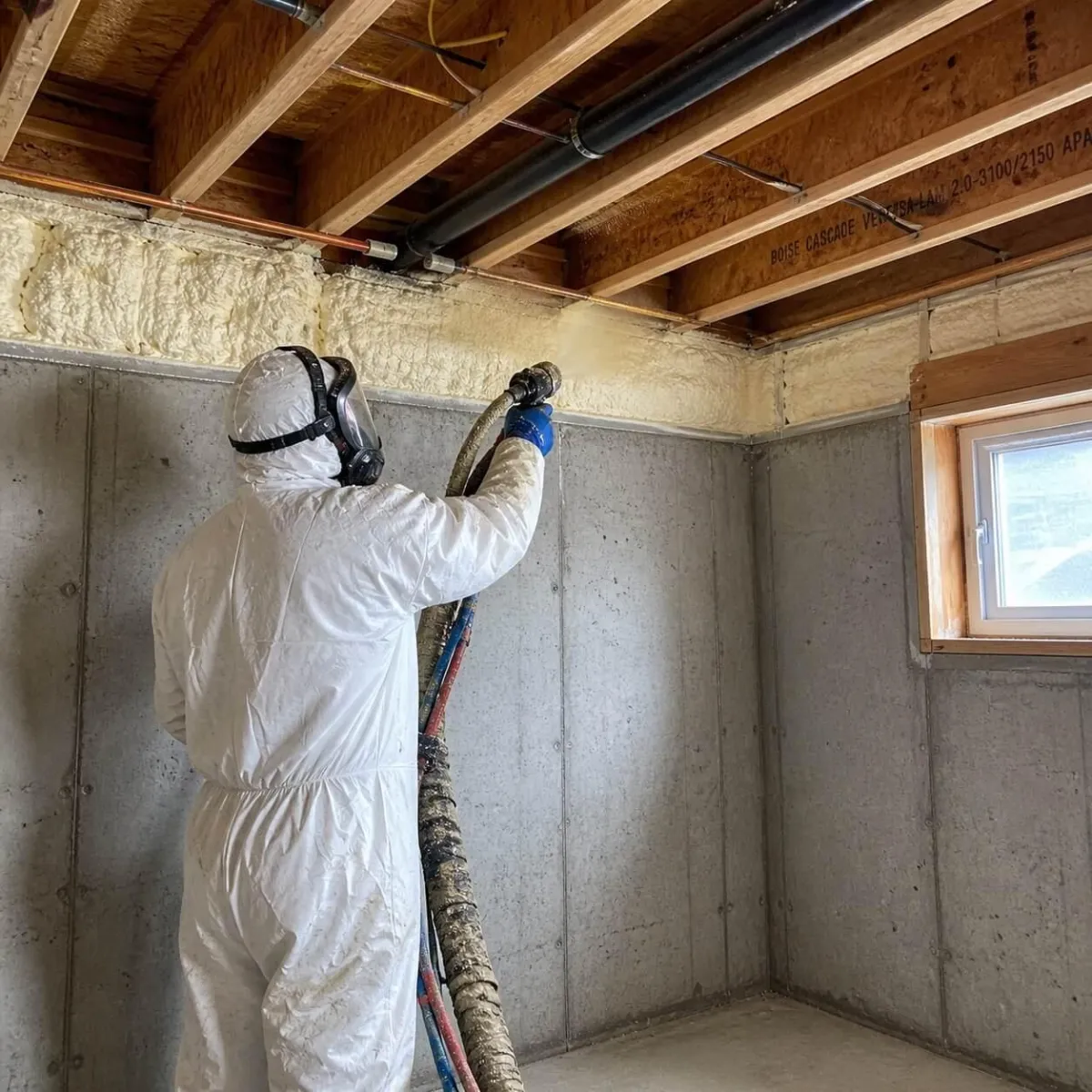
Where Spray Foam Is Commonly Used in Greater Kingston Homes
Spray foam is often most valuable in places where traditional insulation is difficult to install neatly or where air leakage is severe.
One of the most common applications is the basement rim joist area. This is the band of framing around the top of the foundation, where the floor system sits on the basement walls. In many homes, especially older Kingston houses and mid-century bungalows, this area can be poorly insulated or full of small gaps. Cold air can enter around joists, pipes, wiring, and uneven framing. Closed-cell spray foam is often an excellent fit because it can seal and insulate these irregular spaces.
Crawl spaces are another common use. Many homes in rural areas around Greater Kingston, as well as older properties near village centres, have crawl spaces that are cold, damp, or poorly insulated. Spray foam can be applied to crawl space walls or rim areas as part of a broader crawl space improvement plan. In some cases, this may need to be combined with ground vapour barriers, drainage improvements, dehumidification, or ventilation changes.
Garage ceilings are also a frequent spray foam project. In homes with bedrooms or living rooms above attached garages, the floor can feel cold in winter. This is common in subdivisions built from the 1970s onward, including split-levels, raised bungalows, and two-storey homes with attached garages. Spray foam can help reduce air leakage and heat loss between the garage and living space, though fire separation and code requirements must be handled correctly.
Spray foam can also be useful in cathedral ceilings and complicated rooflines. Some Kingston-area homes have finished attic spaces, sloped ceilings, dormers, or additions where conventional attic insulation is difficult to improve without major renovation. Spray foam may help create a better insulated roof assembly, but this type of work needs careful planning because roof ventilation, moisture control, and building code requirements all matter.
Renovations and additions are another strong fit. When walls are opened up during a kitchen renovation, mudroom addition, basement finishing project, or exterior wall upgrade, spray foam may be easier to apply properly than trying to retrofit batts into irregular cavities. It can be especially useful in older homes where framing dimensions are inconsistent and air gaps are common.
Kingston’s Climate and Why Air Sealing Matters
Greater Kingston sits in a climate zone where homes need to perform well through cold winters, humid summers, freeze-thaw cycles, and damp shoulder seasons. Lake Ontario influences local weather, bringing wind, moisture, and changing temperatures. Rural homes north of the city may experience more exposed winter conditions, while homes closer to the waterfront may deal with wind-driven moisture and temperature swings.
These conditions make air leakage a serious comfort issue. When warm indoor air escapes into cold areas of the home, it can carry moisture with it. If that moisture reaches a cold surface, condensation can form. Over time, this can contribute to musty smells, staining, mould risk, and reduced insulation performance.
Spray foam can help reduce these risks when used correctly because it limits uncontrolled air movement. This is especially helpful in transition areas where different parts of the building meet: basement-to-wall connections, garage-to-house interfaces, roof-to-wall intersections, and additions tied into older structures.
The key phrase is “used correctly.” Spray foam is powerful, but it is not magic caulking in a can. The right product, thickness, location, and installation method all matter.
Cost Compared with Other Insulation Types

Fibreglass batts are generally one of the lower-cost insulation options. They can work well in open, regular framing cavities when installed carefully, but they do not air seal on their own. Poorly fitted batts can leave gaps that reduce performance.
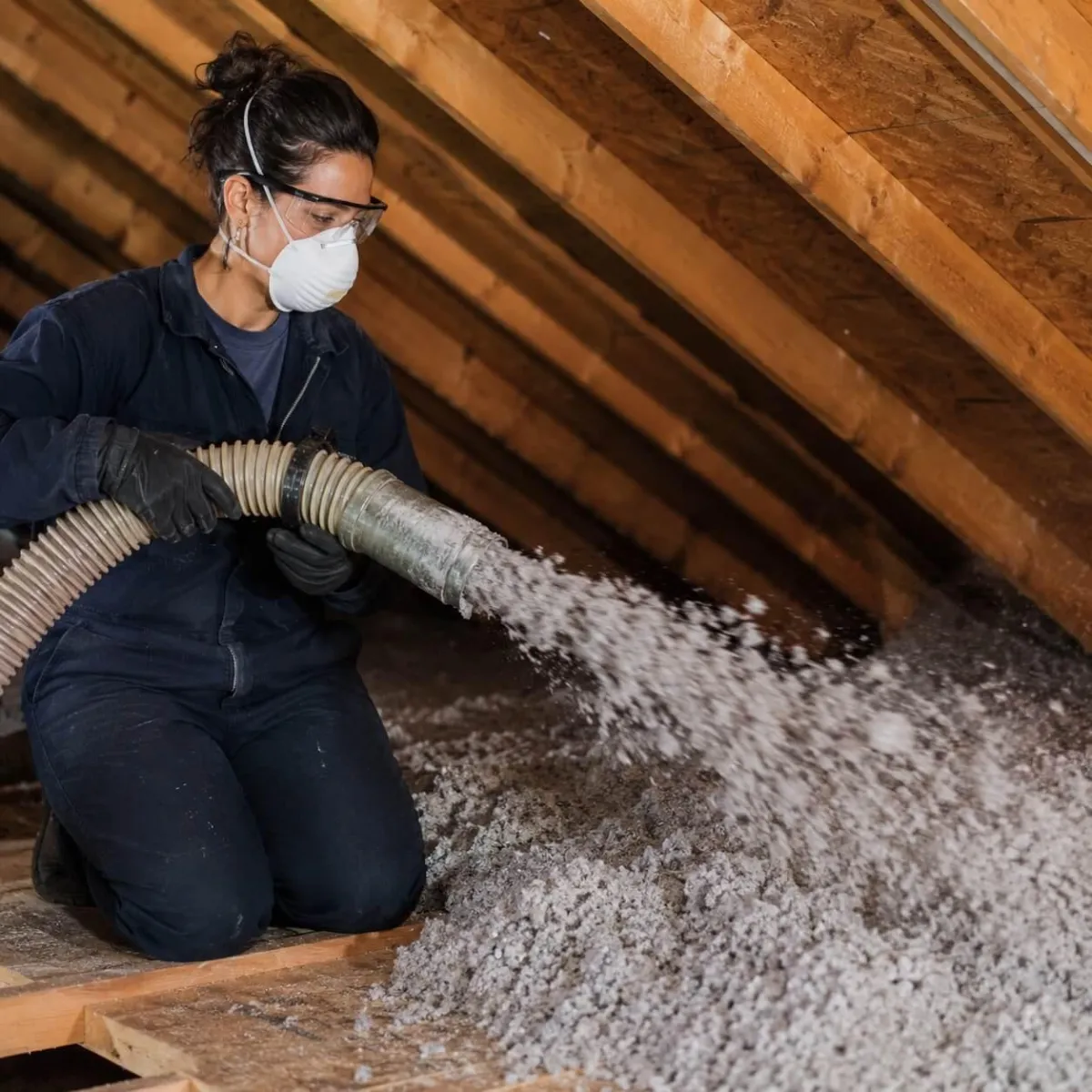
Blown-in cellulose is often cost-effective for attics because it can quickly add insulation depth over large areas. For many Kingston homes with under-insulated attics, cellulose may provide better value than spray foam if the attic floor can be air sealed first.
Mineral wool is more expensive than standard fibreglass but offers good fire resistance, sound reduction, and moisture tolerance. It can be a good choice in wall cavities and basement framing, especially when combined with proper air sealing.
Spray foam usually costs more per square foot than fibreglass batts, blown-in cellulose, or mineral wool. This higher cost is one reason it is often used strategically rather than everywhere.
Spray foam is typically the premium option. Its cost is easier to justify when it replaces several steps at once: insulation, air sealing, and in some cases vapour control. It may also be more cost-effective when the area is small but important. For example, insulating a rim joist with closed-cell foam may cost more than stuffing the cavities with batt insulation, but the foam can provide a tighter, more durable result.
In broad terms, spray foam is often least cost-effective when used over large, simple areas where cheaper materials can perform well. It is often most cost-effective in small, awkward, leaky, or moisture-sensitive areas where other insulation types struggle.
Where Spray Foam Is the Most Cost-Effective Choice
Spray foam can be the best value when the problem is not simply “not enough insulation,” but rather “too much air leakage in a hard-to-seal area.”
Rim joists are a good example. They are small in total area but can have an outsized effect on comfort. Sealing and insulating this zone may reduce basement drafts, cold floors, and heat loss near the foundation.
Crawl spaces can also justify spray foam because they often involve moisture, air leakage, and cold surfaces at the same time. A properly planned crawl space upgrade may make the rooms above more comfortable and help control dampness.
Garage ceilings below living spaces are another practical use. Heat loss, vehicle odours, and air movement from garage to house are all concerns. Spray foam can help address the insulation and air leakage side of the problem, though it must be covered and protected according to fire safety requirements.
Spray foam can also be cost-effective during renovations when walls or ceilings are already open. Since access is often the most expensive part of retrofitting insulation, using a high-performing material while the cavity is exposed can make sense.
In older homes, spray foam may also be useful for additions, kneewalls, dormers, and oddly shaped transitions where batts are difficult to fit cleanly. These are the “wonky puzzle-piece” areas of a house. Spray foam is often better at filling the puzzle without leaving cracks around the edges.
Where Spray Foam May Not Be the Best Option
Spray foam is not always necessary. If a flat attic has good access, blown-in cellulose or fibreglass may provide excellent value. If wall cavities are open and regular, mineral wool or batt insulation may be appropriate. If the issue is bulk water leakage, foundation cracks, roof leaks, or poor drainage, spray foam should not be treated as the first solution.
Moisture problems need careful diagnosis. Spray foam can help control condensation in the right assembly, but it should not be used to hide an active water problem. Wet basements, leaking foundations, roof leaks, and chronic dampness need to be addressed before insulation is added.
There are also installation considerations. Spray foam must be installed by trained professionals using proper equipment, ventilation, protective measures, and curing procedures. Homeowners should stay out of the work area during application and follow re-entry guidance provided by the installer.
Building code requirements also matter. Some spray foam applications require thermal barriers or ignition barriers, especially in basements, crawl spaces, garages, and attics. This is one reason spray foam projects should be planned as part of a complete building assembly, not just as a quick material choice.
Choosing the Right Insulation Strategy
The best insulation upgrade begins with the problem the homeowner is trying to solve. A cold bedroom over a garage, a drafty basement edge, a damp crawl space, and a hot second floor may all require different solutions. Spray foam may be ideal for one and unnecessary for another.
For many Greater Kingston homes, the strongest approach is selective use. Blown-in attic insulation may be the best value in one area, mineral wool may be appropriate in framed basement walls, and closed-cell spray foam may be the right material for rim joists or crawl space walls. The goal is not to choose the most expensive insulation, but to choose the most suitable insulation for each part of the house.
Homeowners should also think about timing. Spray foam may be easiest to justify when renovation work is already underway, when exterior siding is being replaced, when a basement is being finished, or when a crawl space is being upgraded. These projects create access, and access creates opportunity.
A Practical Next Step for Kingston-Area Homeowners
Spray foam insulation can be an excellent choice for Kingston-area homes when air leakage, moisture sensitivity, limited space, or awkward construction details are part of the problem. It is especially useful in rim joists, crawl spaces, garage ceilings, renovations, additions, and complicated roof or wall assemblies.
The most important decision is not whether spray foam is “better” than every other insulation product. The better question is where it will deliver the most value. In some homes, a small amount of spray foam in the right place can make a larger difference than a much bigger investment in the wrong place.
Kingston Insulation is an independent information resource operated by Joe Ramsay and Associates Inc. This website provides educational guidance for homeowners in Greater Kingston and connects consultation requests with a local insulation provider for follow-up. Use the phone number on this page or the consultation request form to connect with Global Insulation Solutions to schedule your free assessment.
Is your home losing heat, feeling drafty, or harder to keep comfortable?
Helping Kingston Homeowners
INSULATION SOLUTIONS
Blown In Cellulose Insulation
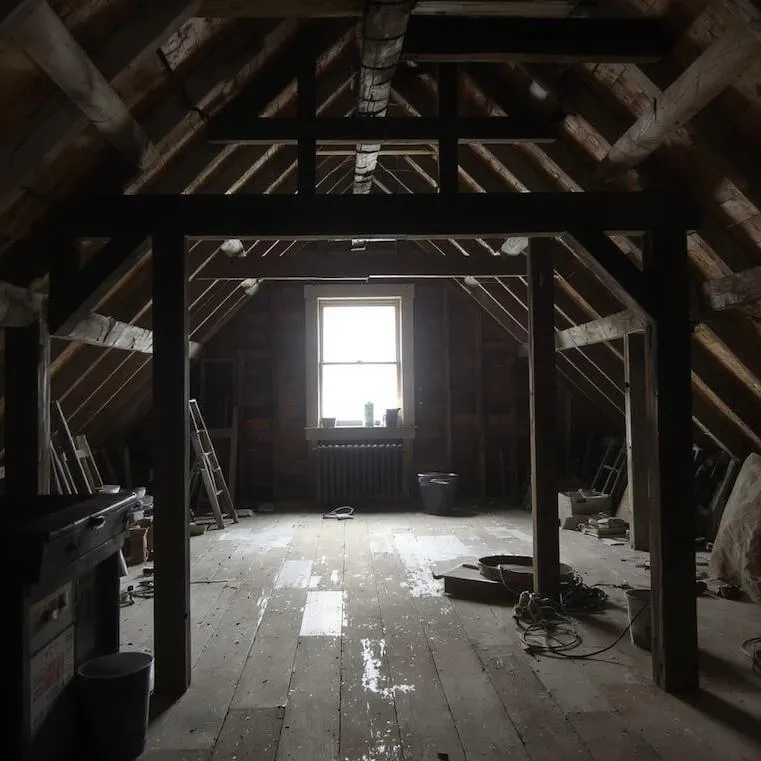
Blown In Cellulose Insulation
Spray Foam Insulation
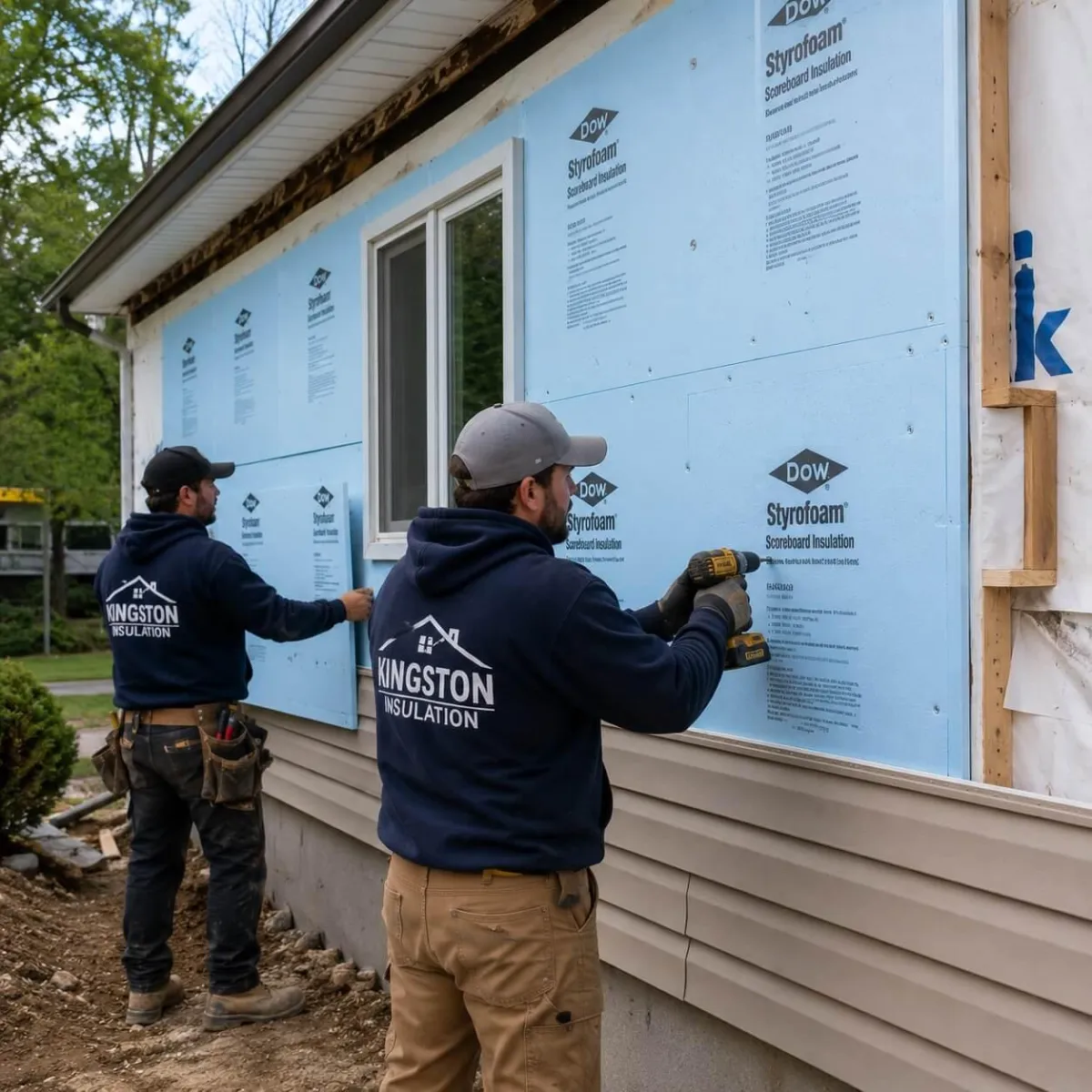
Foam Block Insulation

Spray Foam Insulation
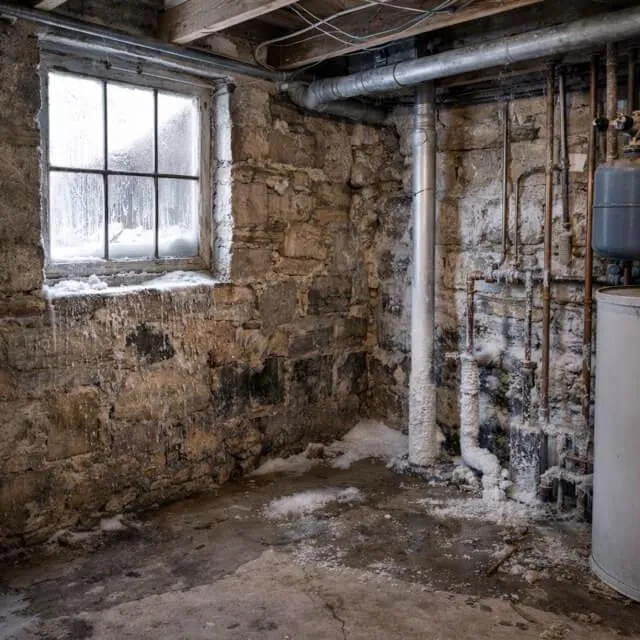
Foam Block Insulation
LINKS
This website is operated by Joe Ramsay and Associates Inc. We are not an insulation contractor. We provide information and connect homeowners with independent local service providers. We may receive compensation from service providers for introductions made through this site.