
Gananoque
Gananoque
Clear, practical guidance on common insulation issues — and a direct connection to a trusted local company when you’re ready for help.
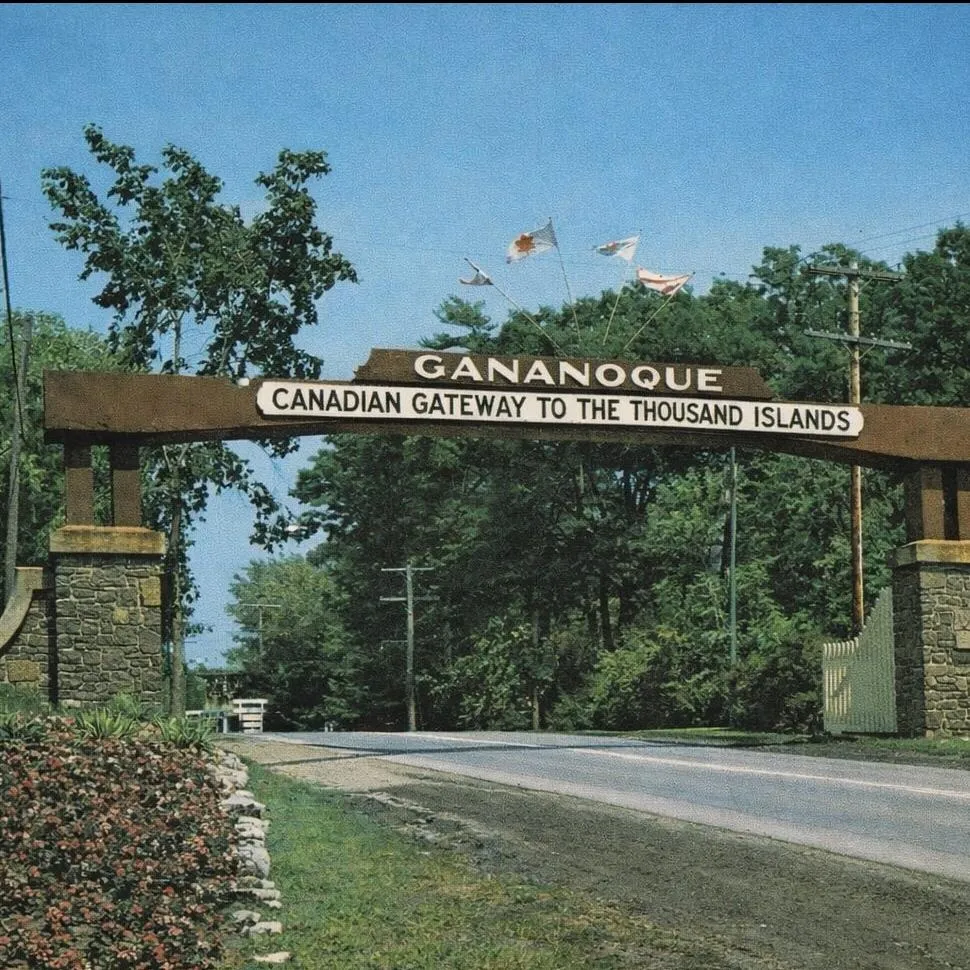
The Gateway to the Thousand Islands
Gananoque sits along the St. Lawrence River at the edge of the Thousand Islands, and that geography has real consequences for how homes perform. Proximity to open water increases wind exposure and drives humidity levels higher than many inland communities. In winter, cold air moving across the river can intensify wind washing in attics and upper wall cavities. In summer, moisture-laden air can find its way into basements and crawl spaces, especially in older homes built before modern air sealing practices were standard.
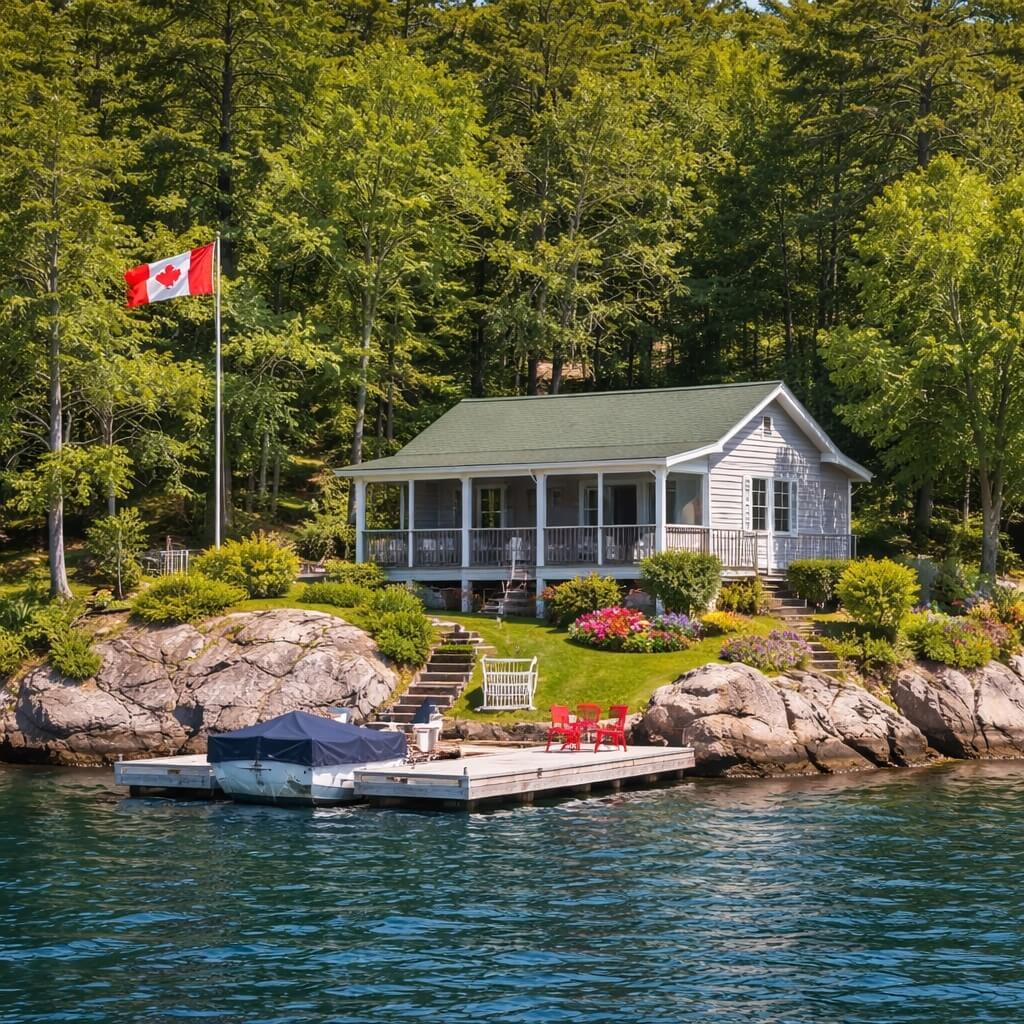
The town’s mix of historic homes, seasonal cottages, waterfront properties, and tourism-oriented buildings also creates a wide range of insulation conditions. Some houses sit vacant for weeks at a time; others operate as short-term rentals or bed-and-breakfasts with fluctuating occupancy. These patterns change how interior air pressure behaves, how moisture accumulates, and how heating systems cycle — all of which affect insulation performance and long-term durability.
How Homes in Gananoque Are Typically Built
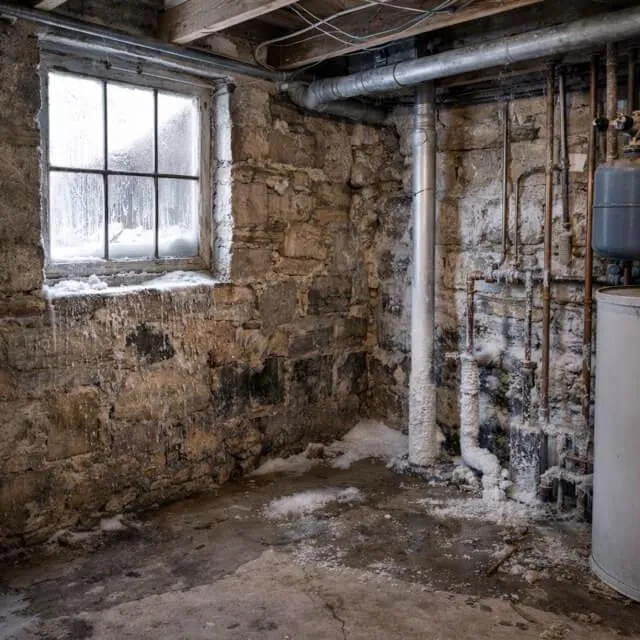
Gananoque’s older residential areas include many early- to mid-20th-century wood-frame homes with vented attics and full basements. In these houses, original insulation levels are often minimal by today’s standards. Attics may contain a thin layer of batt insulation or older loose-fill materials that have settled over time. Basements frequently have exposed stone or block foundations with little to no thermal barrier.
Closer to the waterfront and in cottage-style properties, construction details can vary. Some seasonal homes were originally designed for three-season use and later converted to year-round occupancy. In these cases, insulation and air sealing are often inconsistent. Sloped ceilings, kneewalls, and partial crawl spaces are common, which complicates thermal continuity.
Newer infill homes and renovations typically meet more recent code requirements, but even here, performance depends heavily on installation quality. Air leakage at rim joists, attic hatches, and top plates can undermine otherwise adequate insulation levels. The interaction between insulation and air movement is particularly important in a wind-exposed river town.
Common Comfort & Moisture Issues in Gananoque
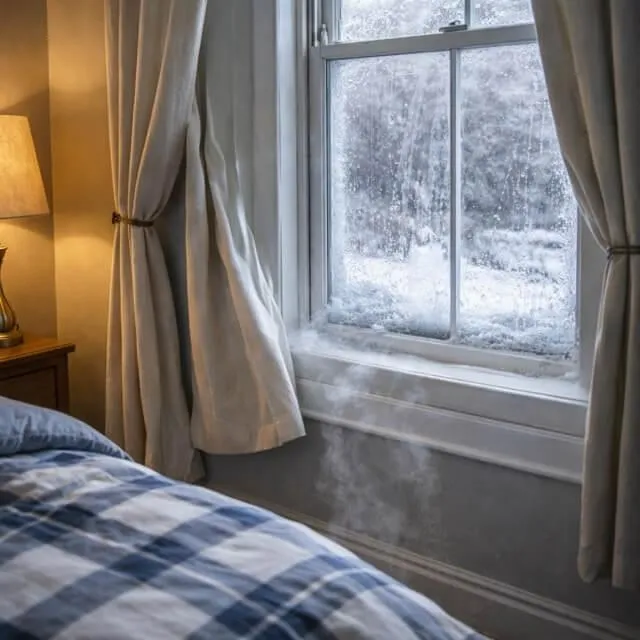
One of the most common complaints in Gananoque homes is uneven winter comfort. Upper floors may feel cold and drafty during windy conditions, even when the thermostat is set appropriately. This is often tied to insufficient attic insulation combined with air leakage that allows cold exterior air to move through the building envelope. Over time, wind washing can reduce the effective R-value of existing materials.
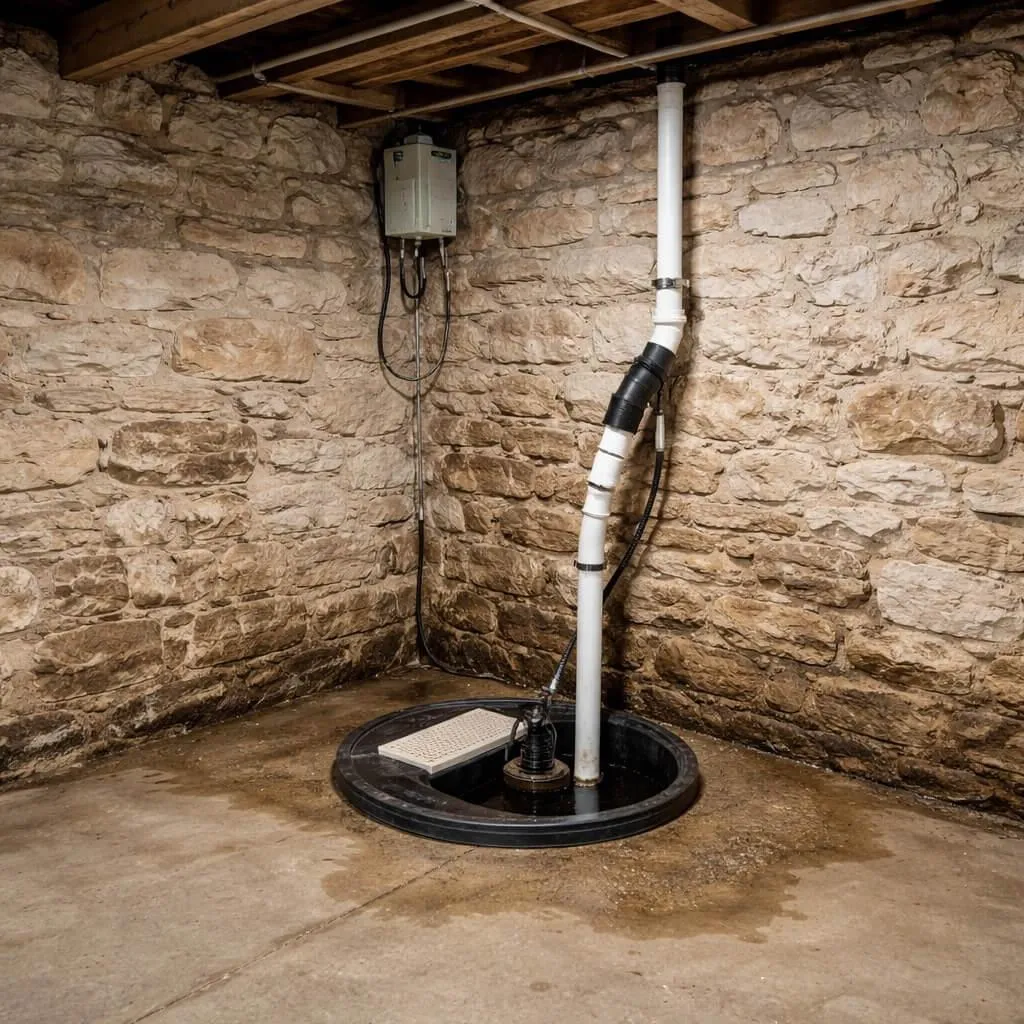
Basement dampness is another recurring concern, especially in properties near the river or with older foundation walls. Moisture entering through masonry can combine with humid interior air, leading to musty smells or condensation on cold surfaces. Without proper insulation and air control, these spaces can remain chronically cool and damp.
In homes used seasonally or intermittently, moisture management becomes even more critical. When heating systems are set back for extended periods, interior temperatures drop and relative humidity can rise. If insulation and air sealing are not balanced correctly, this can increase the risk of condensation within wall or ceiling assemblies. In some cases, homeowners explore targeted upgrades such as improved attic insulation or rim joist air sealing to stabilize indoor conditions.
How Insulation Upgrades Are Typically Approached
In many Gananoque homes, the attic is the logical starting point. Increasing insulation depth and addressing air leakage at ceiling penetrations can significantly reduce heat loss and improve comfort during windy winter conditions. Proper baffle installation is also important to maintain ventilation while preventing wind from displacing loose-fill materials.
Basement and rim joist areas are another priority. Applying insulation at the interior foundation wall and sealing rim joists helps control both heat flow and air movement. In older stone foundations, care must be taken to manage moisture correctly so that materials can dry appropriately. The goal is not simply to add insulation, but to ensure that the assembly performs safely over time.
In cottages or converted seasonal properties, a more comprehensive approach may be required. Sloped ceilings, kneewalls, and crawl spaces often need careful assessment to maintain a continuous thermal boundary. Upgrades are typically sequenced to address the most significant heat-loss areas first, rather than treating the house as a collection of isolated problems.
When It Makes Sense to Look Into Insulation
Certain patterns suggest that an insulation review may be worthwhile. If heating costs seem high relative to the size of the home, or if certain rooms are consistently colder during windy weather, the issue is often tied to attic performance or air leakage. Ice damming along roof edges in winter can also indicate uneven roof temperatures caused by heat escaping into the attic.
Persistent basement dampness, musty odors, or condensation on foundation walls are additional signals. In Gananoque’s river-influenced climate, these symptoms may reflect a combination of moisture intrusion and insufficient thermal control. Addressing insulation in conjunction with air sealing can improve both comfort and durability.
Finally, if a property has transitioned from seasonal to year-round use, it is often appropriate to reassess the insulation strategy entirely. Building assemblies designed for intermittent occupancy do not always perform well under continuous heating. Bringing insulation levels and air control measures in line with modern expectations can help stabilize indoor temperatures and reduce long-term stress on the structure.
Is your home losing heat, feeling drafty, or harder to keep comfortable?
Helping Kingston Homeowners
INSULATION SOLUTIONS
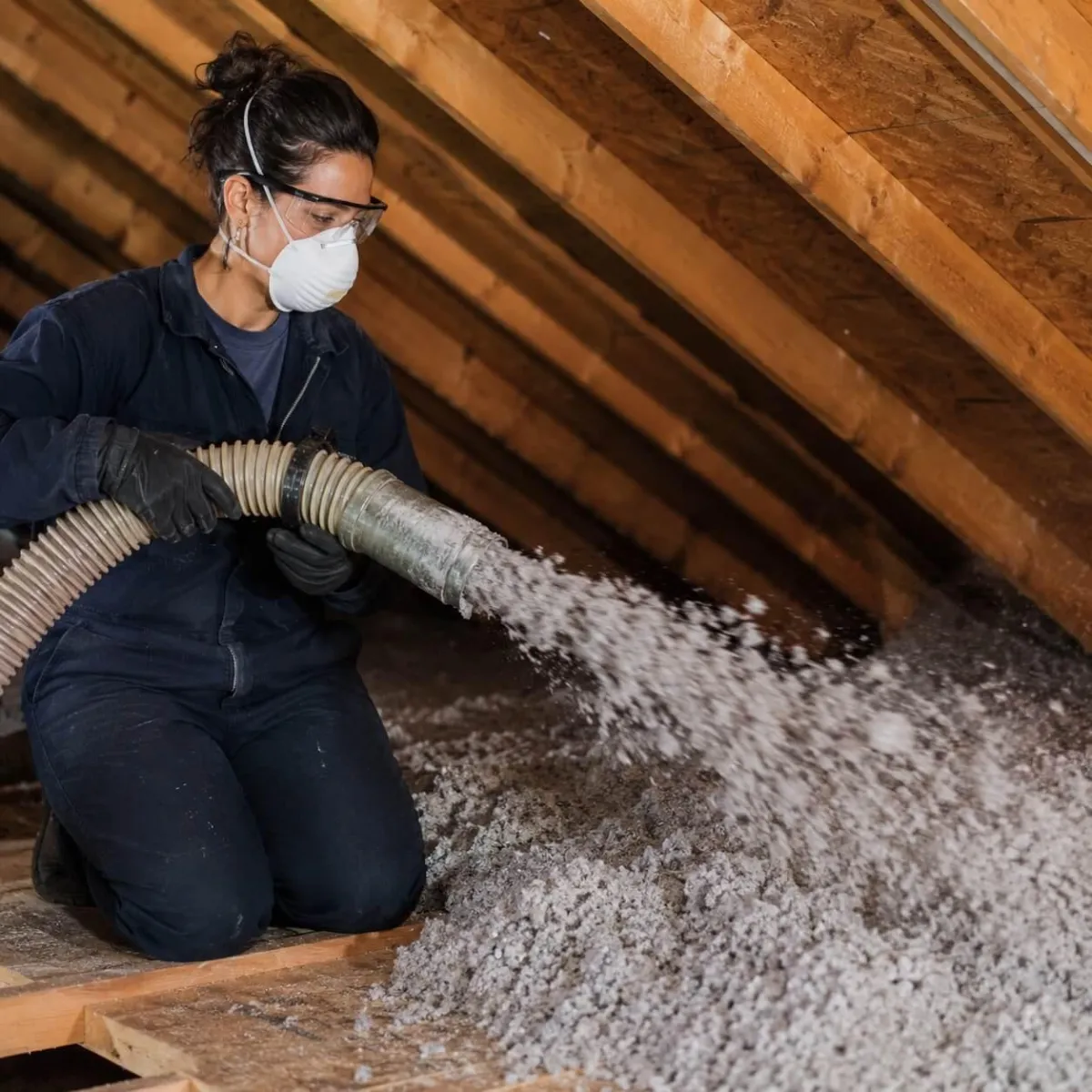
Blown In Cellulose Insulation
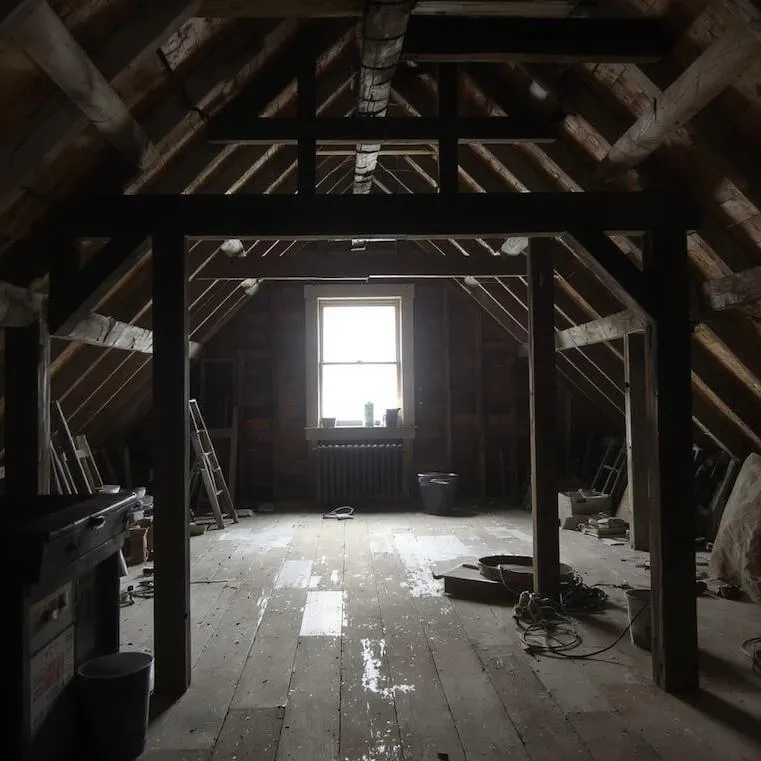
Blown In Cellulose Insulation
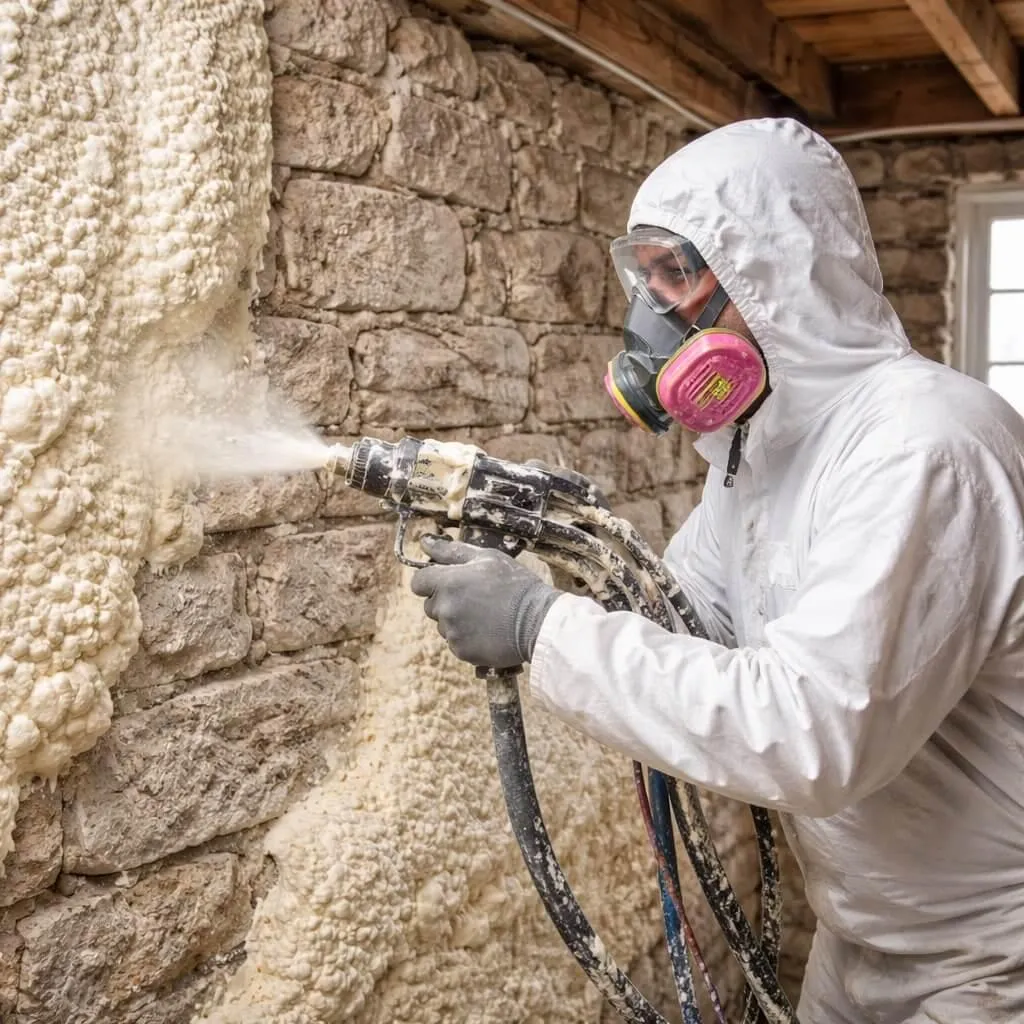
Spray Foam Insulation
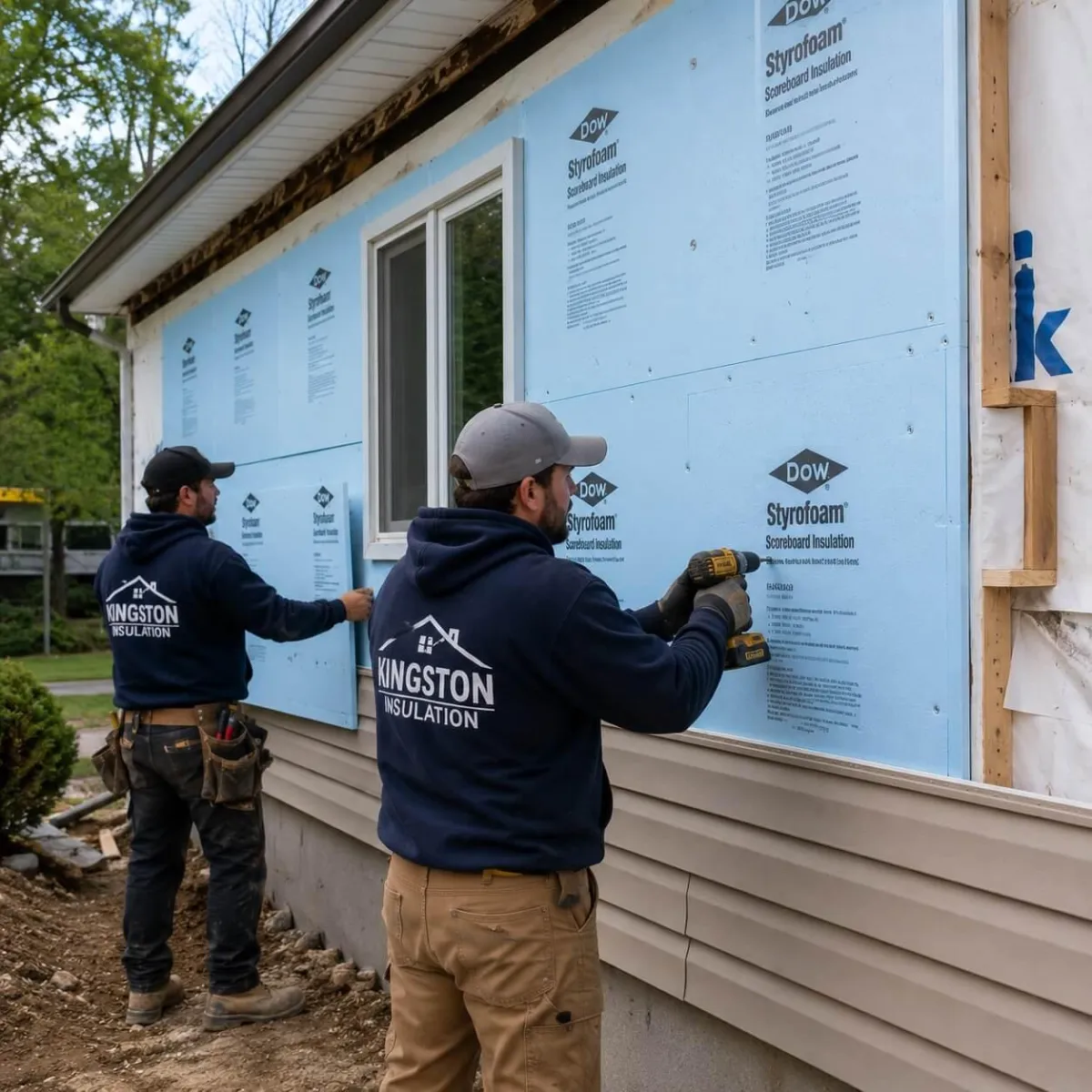
Foam Block Insulation
Spray Foam Insulation
Foam Block Insulation
LINKS
This website is operated by Joe Ramsay and Associates Inc. We are not an insulation contractor. We provide information and connect homeowners with independent local service providers. We may receive compensation from service providers for introductions made through this site.