
Drafty Rooms & Uneven Temperature
Drafty Rooms & Uneven Temperature
Support for Kingston Homeowners
Drafty Rooms & Uneven Temperatures
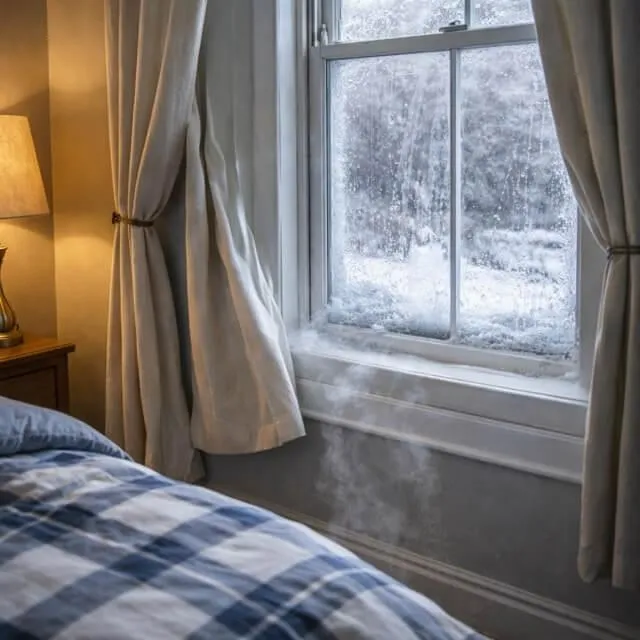
Many homeowners in Kingston notice that certain rooms never feel quite right. One bedroom may be colder than the rest of the house during winter; a living room might feel drafty even when windows are closed. In summer, some spaces overheat while others remain comfortable. Adjusting the thermostat often doesn’t solve the imbalance.
These uneven temperatures are particularly common in older homes or in houses with additions. Upper floors frequently feel cooler in winter and warmer in summer. Exterior-facing rooms, especially those above garages or near exposed walls, are often the most affected.
Drafts may be subtle rather than dramatic. You might not feel a strong gust of air, but you notice persistent discomfort near walls, baseboards, or electrical outlets. In some cases, curtains move slightly or floors feel cooler along exterior walls.
Uneven comfort rarely means the heating system is failing. More often, it reflects how insulation and air movement affect specific areas of the home. These comfort differences are symptoms of how the building envelope performs over time.
Why This Problem Typically Occurs
Drafty rooms and uneven temperatures usually result from a combination of insulation gaps and air leakage. Over time, insulation inside exterior walls can settle or may never have been installed to modern standards. In older Kingston homes, wall cavities were sometimes partially insulated or left with lower R-values than today’s recommendations.
Air leakage plays an equally important role. Small openings around window frames, baseboards, electrical penetrations, and framing joints allow outside air to enter and conditioned air to escape. Because warm air rises and cold air sinks, temperature imbalances develop between floors and rooms.
Rooms located above garages or near roof transitions often experience greater heat loss. In homes with additions, insulation continuity between old and new construction may not be consistent, leading to noticeable temperature differences.
Even well-maintained homes can develop minor air gaps over decades as materials expand and contract seasonally. The result is not necessarily dramatic heat loss, but persistent comfort differences that make certain spaces harder to regulate.
How Drafty & Uneven Temperature Issues Are Usually Addressed
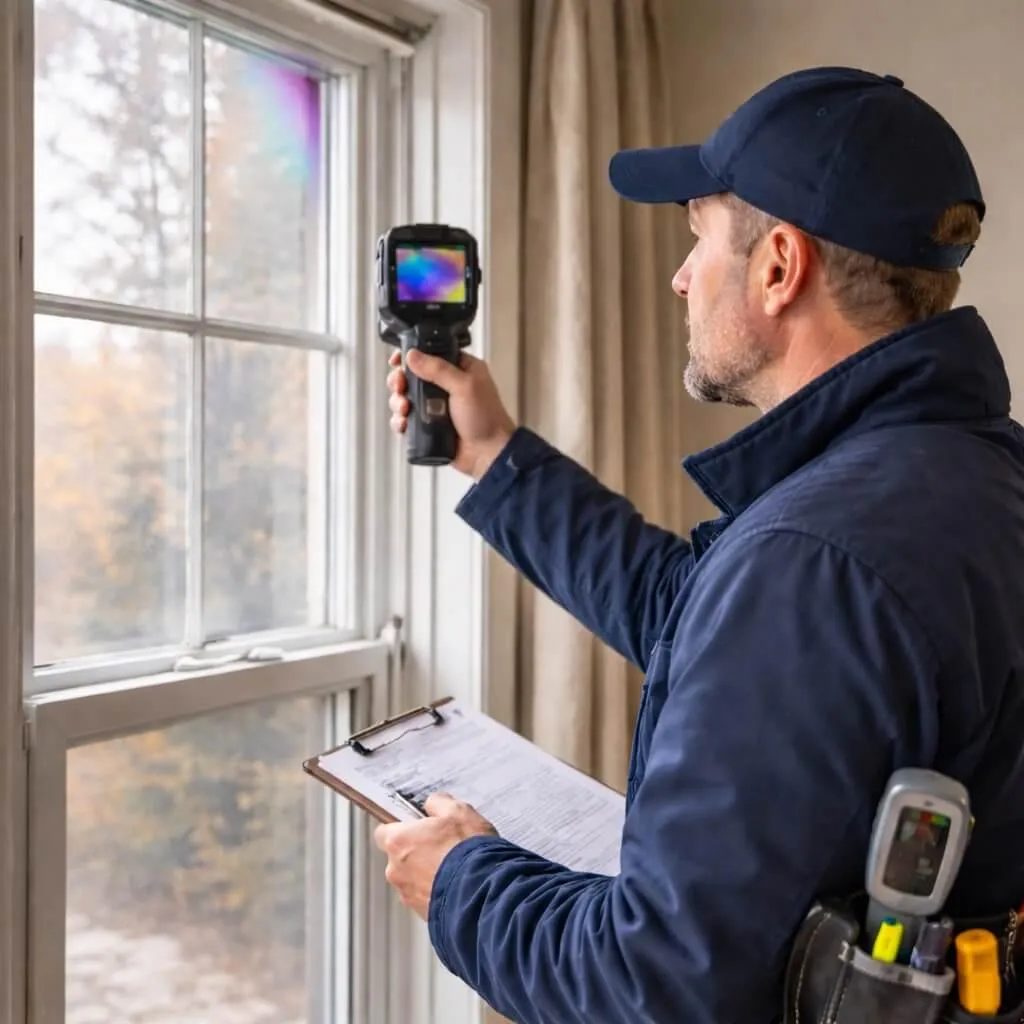
Addressing uneven room temperatures begins with identifying where insulation performance and air control may be lacking. Improvements typically focus on strengthening the thermal and air boundary between the conditioned interior and the exterior environment.
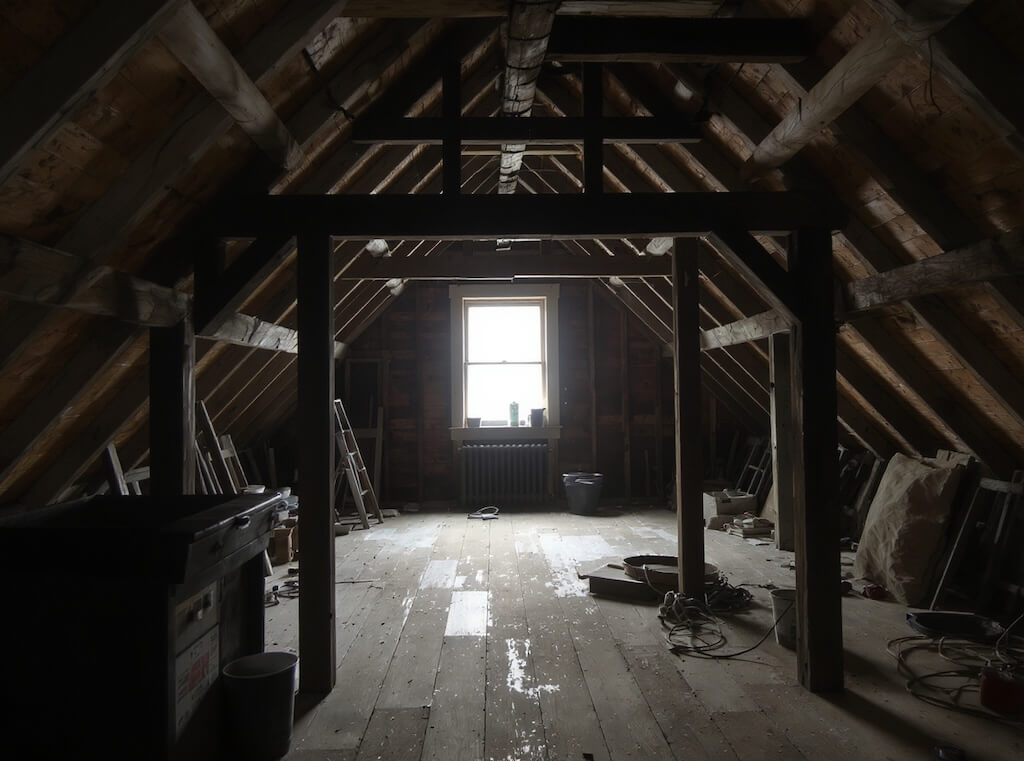
Common steps include upgrading insulation in accessible areas such as attics, improving wall insulation where practical, and sealing significant air leakage points. Rim joists, attic penetrations, and transitions between framing sections are often evaluated carefully.
In some cases, improving attic insulation can significantly reduce upstairs discomfort. In others, targeted air sealing around exterior walls and window framing may provide noticeable improvement. The goal is to create more consistent insulation coverage and reduce uncontrolled airflow.
It’s important to recognize that comfort improvements are usually incremental rather than dramatic overnight transformations. When insulation and air sealing are addressed together, rooms tend to stabilize in temperature, reducing drafts and allowing heating systems to operate more evenly.
A balanced approach considers how the entire building envelope functions rather than focusing on one isolated wall or room.
Frequently Asked Questions
Frequently Asked Questions
What type of insulation is best for drafty rooms?
The best insulation depends on where the draft originates. Spray foam is often used to seal air leaks in rim joists and tight wall cavities; blown cellulose can improve attic coverage; fibreglass batts are common in wall framing; rigid foam may be used along foundation walls. Identifying the air leakage source is more important than choosing a material first.
Can spray foam stop drafts?
Spray foam is effective for sealing air leaks in small gaps and irregular spaces, especially around rim joists, attic penetrations, and framing transitions. Because it both insulates and seals air movement, it can reduce drafts in areas where fibreglass batts alone would not stop airflow.
Is blown cellulose better than fibreglass batts?
Blown cellulose is often used in attics because it provides continuous coverage and reduces gaps. Fibreglass batts are common in wall cavities but may allow air movement if not installed carefully and with proper vapor barriers. The right material depends on the location and the specific comfort issue being addressed.
Does rigid foam help with cold exterior walls?
Rigid foam insulation is frequently used along foundation walls or as a continuous exterior layer because it reduces thermal bridging. In basements, it can help stabilize wall temperatures and reduce cold transfer into adjacent rooms.
Will weather stripping fix uneven temperatures?
Weather stripping helps seal small gaps around doors and windows and can reduce minor drafts. However, significant temperature imbalances are often related to insulation gaps or air leakage deeper within walls, attics, or basement transitions.

When to Seek Professional Help
If certain rooms remain uncomfortable year after year despite adjusting vents or thermostat settings, it may be worth investigating insulation conditions more closely. Recurring cold spots near exterior walls, persistent drafts around baseboards, or significant temperature differences between floors are often signs that insulation performance should be evaluated.
Homes built several decades ago, particularly those with renovations or additions, are common candidates for assessment. Uneven temperatures in rooms above garages or near rooflines are also indicators that insulation continuity may be contributing.
While some minor draft sealing tasks can be handled independently, diagnosing insulation gaps inside walls or complex air leakage paths typically requires professional experience. Without proper assessment, adding insulation in the wrong location may not resolve the issue fully.
A brief on-site evaluation can help determine whether insulation and air sealing are likely factors and whether improvements are practical in your specific home.
What to Consider When Looking for Help in Kingston
When seeking assistance for drafty rooms or uneven temperatures, focus on how the issue is evaluated rather than simply what materials are suggested. A thoughtful assessment should explain where heat and air movement are occurring and why certain rooms are affected more than others.
Ask whether both insulation and air leakage will be considered together. Addressing only one factor may limit the effectiveness of the improvement. Clear explanations and written estimates are indicators of a structured approach.
It is also reasonable to confirm that the insulation professional performing the work has experience with residential projects similar to yours. Kingston homes vary widely in construction style and age, and familiarity with local housing types can influence results. Ensure that installers are fully insured and willing to provide proof of coverage. Reputable professionals should be comfortable discussing their experience and outlining realistic expectations for comfort improvements.
Avoid rushed decisions; meaningful improvements come from careful assessment rather than urgency.
Is your home losing heat, feeling drafty, or harder to keep comfortable?
Helping Kingston Homeowners





INSULATION SOLUTIONS
Heat Loss & Ice Dam Solutions
Heat Loss & Ice Dam Solutions
Drafty Rooms & Uneven Temperature
Cold Floors & Basement Comfort
Cold Floors & Basement Comfort
Drafty Rooms & Uneven Temperature
LINKS
This website is operated by Joe Ramsay and Associates Inc. We are not an insulation contractor. We provide information and connect homeowners with independent local service providers. We may receive compensation from service providers for introductions made through this site.