
Cold Floors & Basement Comfort
Cold Floors & Basement Comfort
Support for Kingston Homeowners
Cold Floors & Basement Comfort
The problem
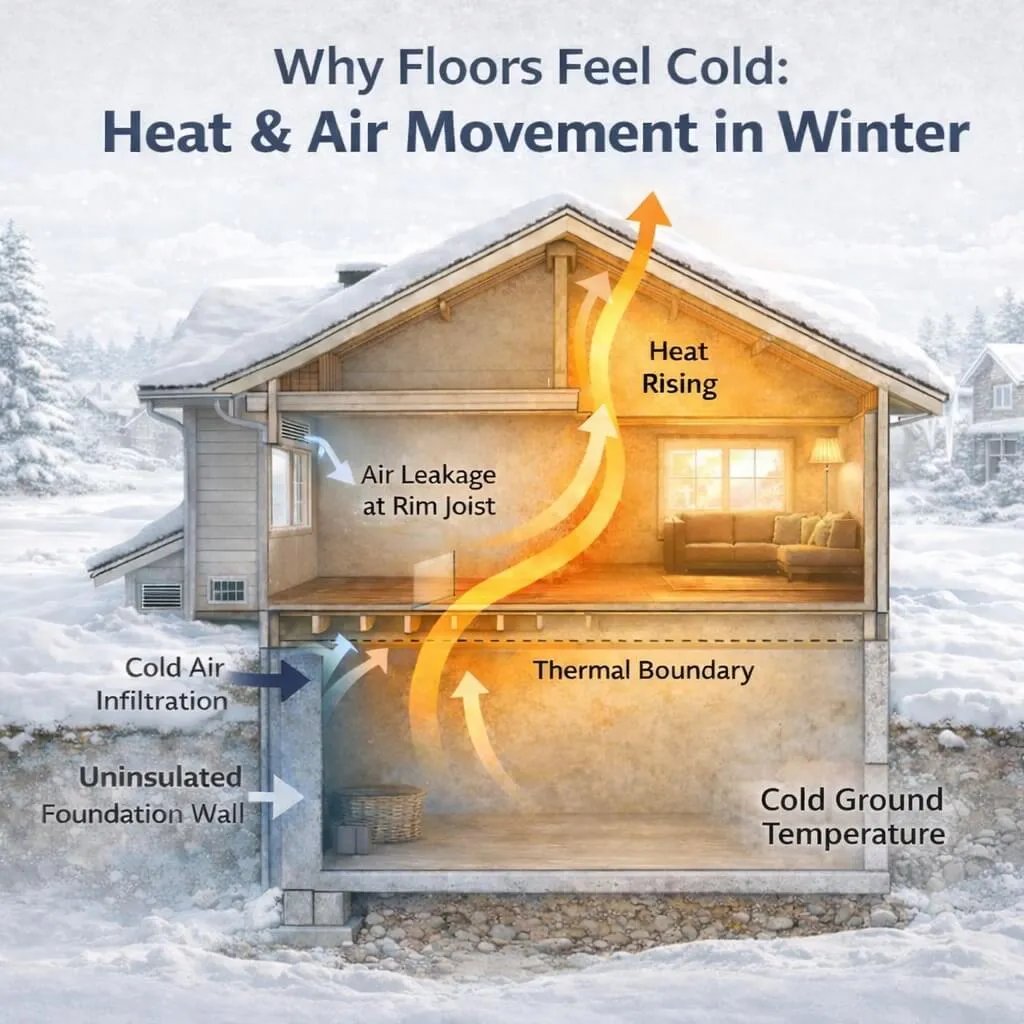
Cold floors are one of the most common winter complaints in Kingston homes. Homeowners often describe the main floor feeling chilly even when the thermostat is set properly. In many cases, the basement itself may feel damp or noticeably cooler than the rest of the house, and rooms above it never seem to stay comfortable.
This issue is especially common in older homes with unfinished basements, partial crawl spaces, or minimal foundation insulation. During colder months, the temperature difference between the basement and the living space above becomes more pronounced. Heat rises, and without adequate insulation separating conditioned and unconditioned areas, warmth escapes upward while cold air settles below.
Beyond comfort, there may be other signs: condensation on basement walls, musty smells, or higher heating bills. Some homeowners notice rugs feel cold underfoot even when air temperature seems acceptable. These symptoms often point to how heat and air move between the basement and the rest of the home.
Cold floors are rarely caused by one single failure. More often, they reflect how insulation, air sealing, and foundation conditions interact within the structure.
Why This Problem Typically Occurs
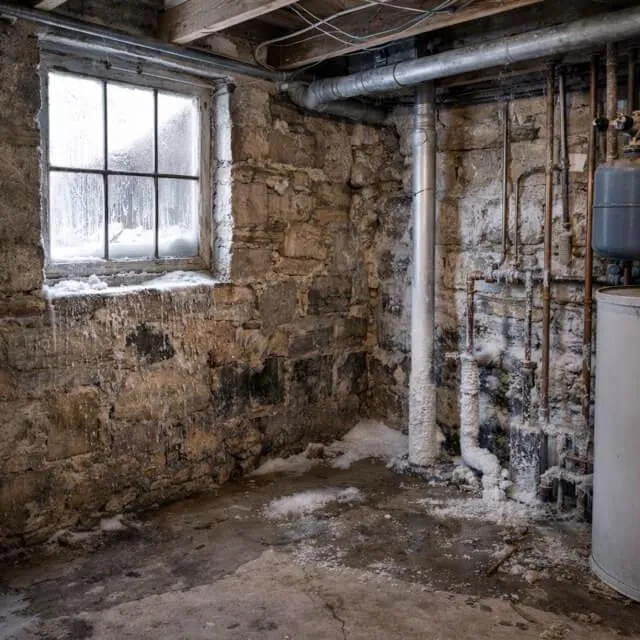
In many Kingston homes, basement and crawl space areas were never designed with modern insulation standards in mind. Older construction often left foundation walls uninsulated or only partially insulated. Rim joists—the areas where the house framing meets the foundation—are also common leakage points for cold air.
During winter, the ground surrounding the foundation remains cold for extended periods. Without adequate insulation along basement walls or between floor joists, that cold transfers upward into the living space. At the same time, small air gaps allow outside air to enter while heated indoor air escapes.
Moisture can also play a role. Basements tend to be transitional zones between outdoor and indoor environments. When warm interior air meets cooler basement surfaces, condensation can occur. Over time, this may contribute to dampness and reduce insulation effectiveness.
In crawl spaces, the issue can be even more pronounced. Unsealed vents, exposed soil, and minimal insulation allow temperature swings that affect the floor above.
Often, the discomfort felt upstairs is simply the visible symptom of deeper insulation and air-control conditions below.
How Cold Floor & Basement Issues Are Usually Addressed
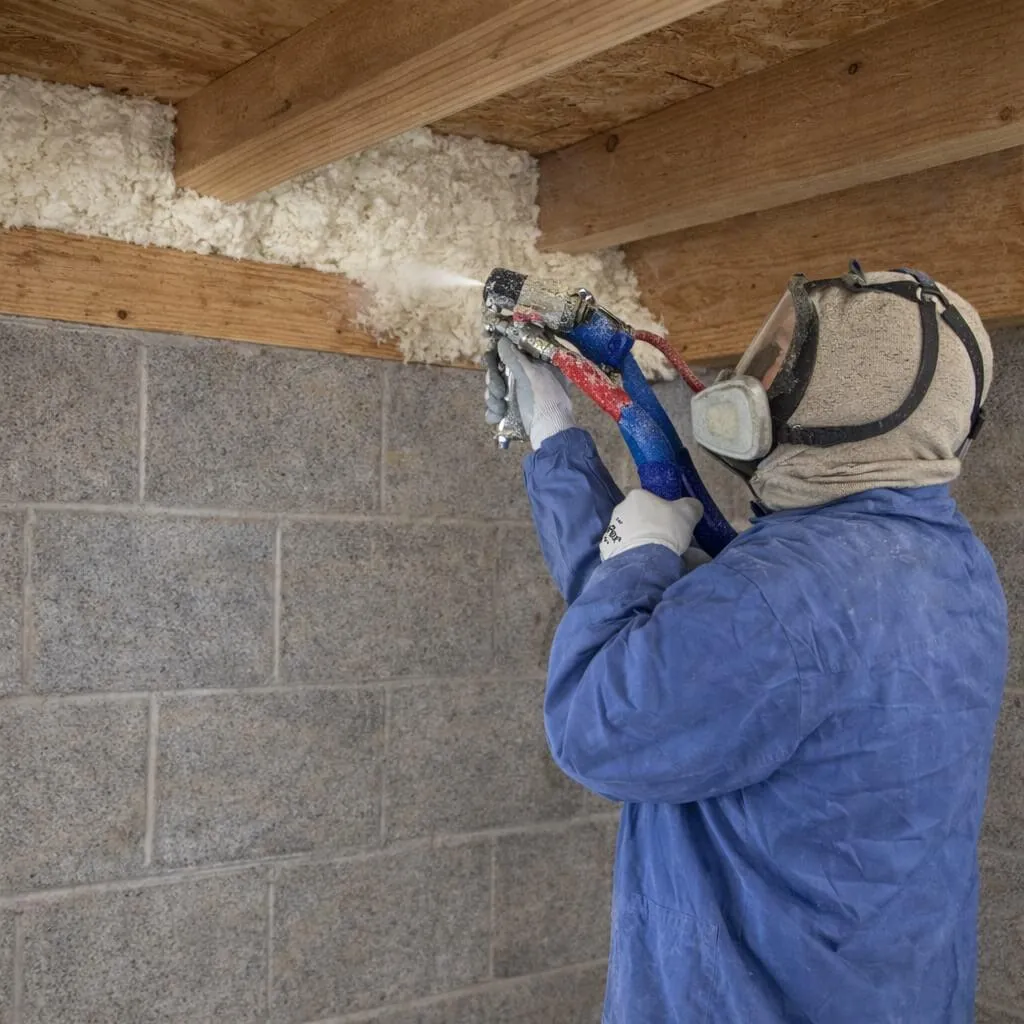
Addressing cold floors typically begins with understanding where heat is being lost and how air is moving between the basement and living space. Improvements often focus on three areas: insulation levels, air sealing, and moisture management.
In many homes, insulating foundation walls is more effective than insulating only between floor joists. This helps create a more stable temperature in the basement itself, reducing cold transfer upward. Rim joists are commonly sealed and insulated to block drafts and limit air leakage.
If a crawl space is involved, sealing vents and installing appropriate insulation and vapor control materials can significantly improve comfort. The goal is not simply to add insulation randomly, but to create a controlled thermal boundary between conditioned and unconditioned areas.
Moisture conditions must also be considered. Insulation performs best when materials remain dry and airflow is managed properly.
A balanced approach improves comfort above, reduces heating strain, and creates a more consistent indoor environment throughout the home.
Frequently Asked Questions
Frequently Asked Questions
Why are my main floors cold above an unfinished basement?
Cold main floors are often caused by heat loss through uninsulated basement ceilings, rim joists, or foundation walls. In older homes, unfinished basements or cellars may have little or no insulation, allowing cold air to settle below and transfer upward through the floor structure. Air leakage at the rim joist area is especially common in Kingston homes.
Can insulating a cellar reduce heating costs?
Improving insulation in basement walls or ceiling areas can reduce heat loss and improve overall system efficiency. While savings vary depending on home size and existing insulation levels, many homeowners notice more stable temperatures and reduced heating strain after improvements.
Can spray foam be applied to limestone foundation walls?
Spray foam can be applied to limestone or rubble stone walls in some situations, but moisture conditions must be assessed carefully first. Older limestone foundations often allow some moisture migration. If walls are damp or actively leaking, addressing water management should come before insulation improvements. Professional evaluation is recommended in these cases.
Is spray foam better than fibreglass batts for basement ceilings?
Spray foam provides both insulation and air sealing, which can reduce drafts more effectively than fibreglass batts alone. Fibreglass batts may insulate but do not stop air movement unless combined with proper air barriers. The right choice depends on the condition of the space and the comfort goal.
Does a sump pump affect insulation decisions?
A sump pump indicates that groundwater management is part of the basement’s function. While having a sump pump does not prevent insulation, it does signal that moisture control should be carefully considered. Insulation materials used below grade should tolerate occasional dampness and not trap moisture against foundation walls.
Cold Floors & Basement Comfort
When to Seek Professional Help
If cold floors persist year after year despite adjusting the thermostat, it may be time to look more closely at basement insulation conditions. Situations that often warrant professional assessment include noticeable drafts at floor level, visible gaps along rim joists, persistent basement dampness, or heating systems running frequently without improved comfort.
Homes built several decades ago are particularly likely to benefit from evaluation, as insulation standards were lower at the time of construction. Crawl spaces that feel excessively cold or humid are another sign that improvements may help.
While some minor air-sealing tasks can be addressed independently, larger insulation upgrades often require a more comprehensive understanding of building science. Adding insulation in the wrong place or without addressing air movement can limit effectiveness.
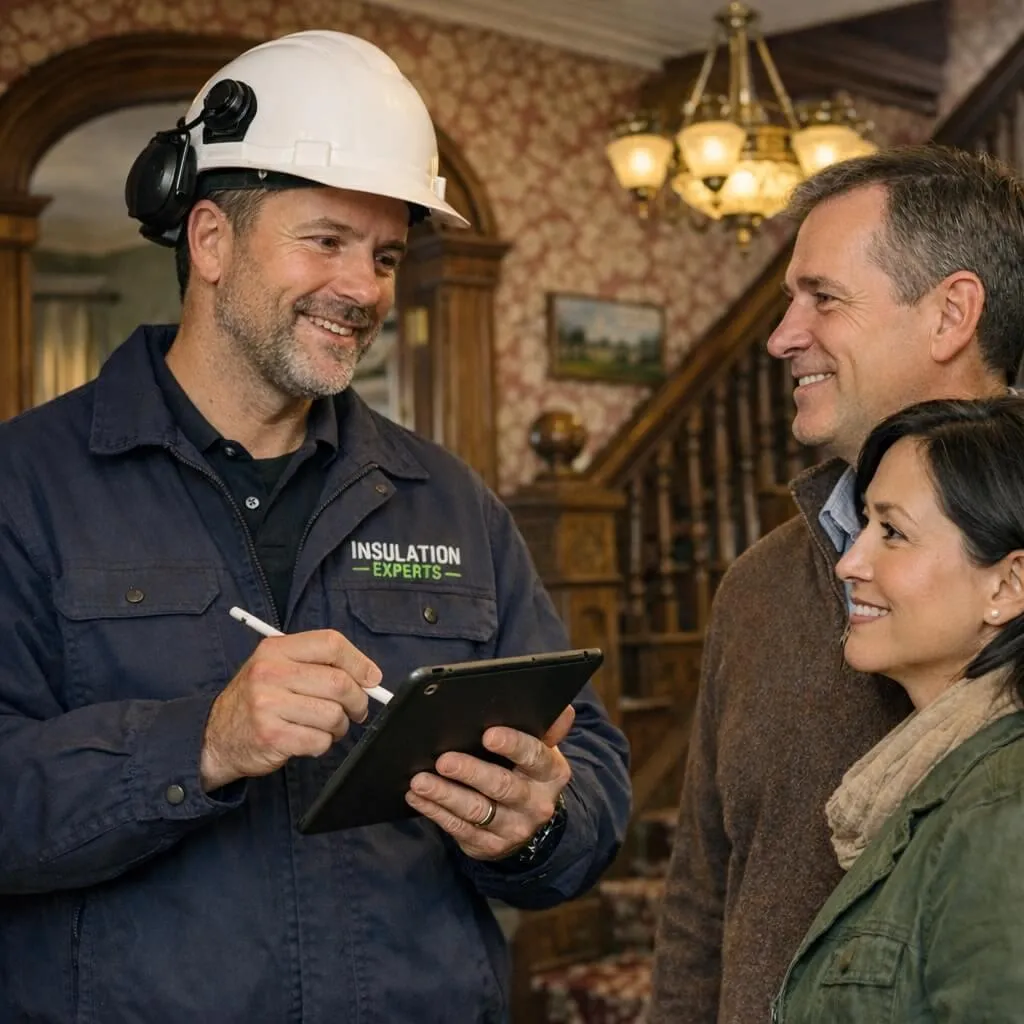
A short on-site visit can help determine whether insulation is contributing to the discomfort and what improvements are likely to produce meaningful results.
Things to Consider When Looking for Help
When seeking assistance for cold floors or basement comfort concerns, it’s helpful to focus on how the problem is assessed—not just what materials are recommended. A thoughtful approach should include an explanation of how heat and air are moving in your specific home.
Ask whether both insulation and air sealing will be considered. Improvements that address only one factor may not resolve the issue fully. It’s also reasonable to expect a clear description of what work will be done, why it’s being recommended, and what level of comfort improvement is realistic.
Experience with local housing types matters. Kingston homes vary widely in foundation style, construction era, and crawl space conditions. An approach suitable for one structure may not apply to another.
It is also reasonable to confirm that the insulation professional carrying out the work has relevant experience with residential projects similar to yours. Basement and crawl space conditions can vary significantly depending on the age and construction of the home, so familiarity with local housing types matters. Ask whether the installer is fully insured and what type of coverage they carry. Reputable professionals should be comfortable providing proof of insurance and explaining their approach. You may also wish to ask how long they have been performing this type of work and whether they can describe similar projects they have completed. Clear answers, written estimates, and a willingness to explain the process are often good indicators of professionalism and reliability.
Finally, avoid pressure-based decisions. Comfort improvements should be based on careful assessment rather than urgency. A clear written estimate and realistic expectations are signs of a considered and professional approach.
Is your home losing heat, feeling drafty, or harder to keep comfortable?
Helping Kingston Homeowners





INSULATION SOLUTIONS
Heat Loss & Ice Dam Solutions
Heat Loss & Ice Dam Solutions
Drafty Rooms & Uneven Temperature
Cold Floors & Basement Comfort
Cold Floors & Basement Comfort
Drafty Rooms & Uneven Temperature
LINKS
This website is operated by Joe Ramsay and Associates Inc. We are not an insulation contractor. We provide information and connect homeowners with independent local service providers. We may receive compensation from service providers for introductions made through this site.