
Napanee
Napanee
Clear, practical guidance on common insulation issues — and a direct connection to a trusted local company when you’re ready for help.
Napanee Insulation and Home Comfort Issues
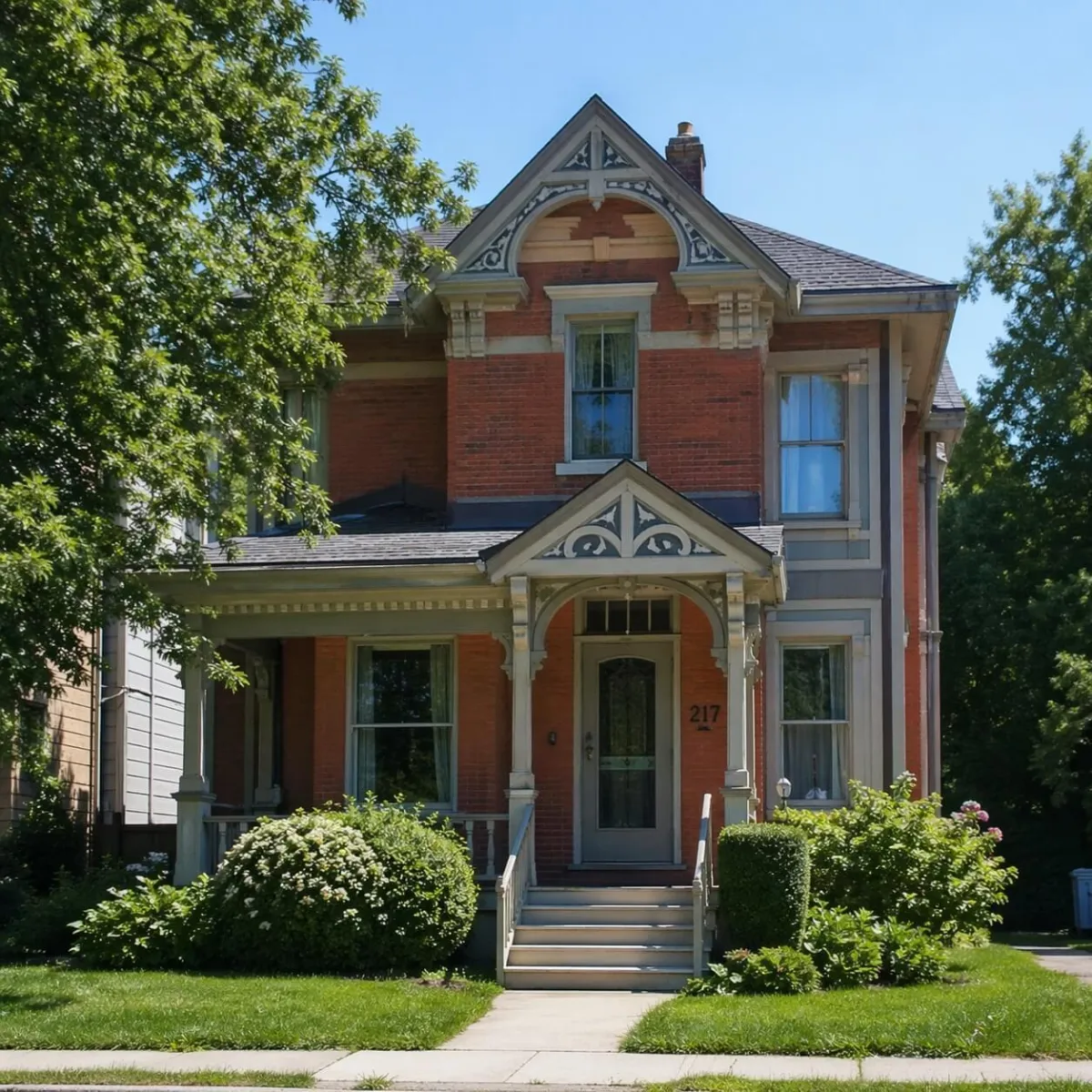
Napanee homes sit in a slightly different building-performance setting than homes closer to central Kingston. The town core includes a meaningful number of older brick, stone, and frame houses, while the wider Greater Napanee area includes rural properties, shoreline homes, farmhouses, postwar subdivisions, and newer builds along the edges of town. That mix matters because insulation problems do not show up the same way in a 19th-century masonry house near the old town centre as they do in a 1970s bungalow, a rural split-level, or a newer home with a full-height basement.
The Napanee River, Hay Bay, Adolphustown shoreline areas, and the open rural land around Greater Napanee also create exposure conditions that can make air leakage and moisture control more noticeable. Homes near water or open fields often feel wind pressure more sharply, especially in winter, and that pressure can pull cold air through rim joists, attic bypasses, crawl spaces, basement walls, and older wall cavities. In homes with uneven insulation or poor air sealing, this can lead to chilly rooms, cold floors, drafts, condensation, ice damming, and high heating costs.
Napanee also has a broad range of foundation conditions. Some older homes have stone, rubble, brick, or early concrete foundations; many mid-century houses have block foundations; and newer houses may have poured concrete basements with more modern insulation details. Each foundation type handles heat, air, and moisture differently, so the right insulation approach usually depends on how the house was built, where it is losing heat, and whether moisture is already present.
How Homes in Napanee Are Typically Built
Napanee’s older housing stock is concentrated most visibly around the traditional town core, where brick, stone, and wood-frame homes reflect several different construction periods. Some of these houses were built before modern air barriers and insulation standards existed, so their comfort problems often come from uncontrolled air movement rather than insulation depth alone. In older masonry or brick-clad homes, the wall system may not have been designed to be packed tightly with insulation without first considering moisture movement, drying potential, and interior air leakage.
Many older Napanee homes also have basements or crawl spaces that were never intended to be warm, dry, fully conditioned living spaces. Stone, brick, rubble, or early block foundations can allow moisture migration, soil gas movement, and cold surface temperatures. When these areas are later finished or partially insulated without proper air sealing and moisture management, the result can be musty odours, cold floors, hidden condensation, or insulation that performs poorly over time.
The mid-century and late-20th-century homes around Napanee are often more straightforward from a construction standpoint, but they still have their own weaknesses. Bungalows, side-splits, raised bungalows, and modest subdivision homes often lose heat through attic bypasses, thin attic insulation, unsealed rim joists, basement headers, and poorly insulated attached garage walls. These homes may look simpler, but the “little leaks everywhere” problem can still add up like a screen door in February.
Newer homes in and around Greater Napanee usually have better baseline insulation than older homes, but they are not automatically free from comfort issues. A newer house can still have weak attic coverage, compressed insulation around eaves, poorly sealed duct chases, basement insulation gaps, or air leakage around penetrations. In newer construction, the problem is often less about having no insulation and more about whether the insulation, air barrier, and ventilation system are working together.
Common Insulation Issues in Napanee
One of the most common comfort issues in Napanee homes is uneven room temperature. A homeowner may notice that bedrooms over garages, rooms facing open fields, additions, or upper-storey spaces feel colder than the rest of the house. This is often tied to air leakage, missing insulation, poorly insulated knee walls, or wind washing at the edges of the attic where outdoor air moves through the insulation and strips away its performance.
Attic issues are also common, especially in older and mid-century homes. When warm indoor air escapes into the attic through ceiling penetrations, plumbing chases, attic hatches, wiring holes, or gaps around interior partitions, it can carry moisture with it. In winter, that moisture can condense on cold roof surfaces. In some homes, this contributes to frost in the attic, damp insulation, roof sheathing concerns, or ice dam formation along the eaves. A related guide on Kingston Insulation’s site about insulation problems that contribute to ice dams can be a useful supporting resource for this type of issue.
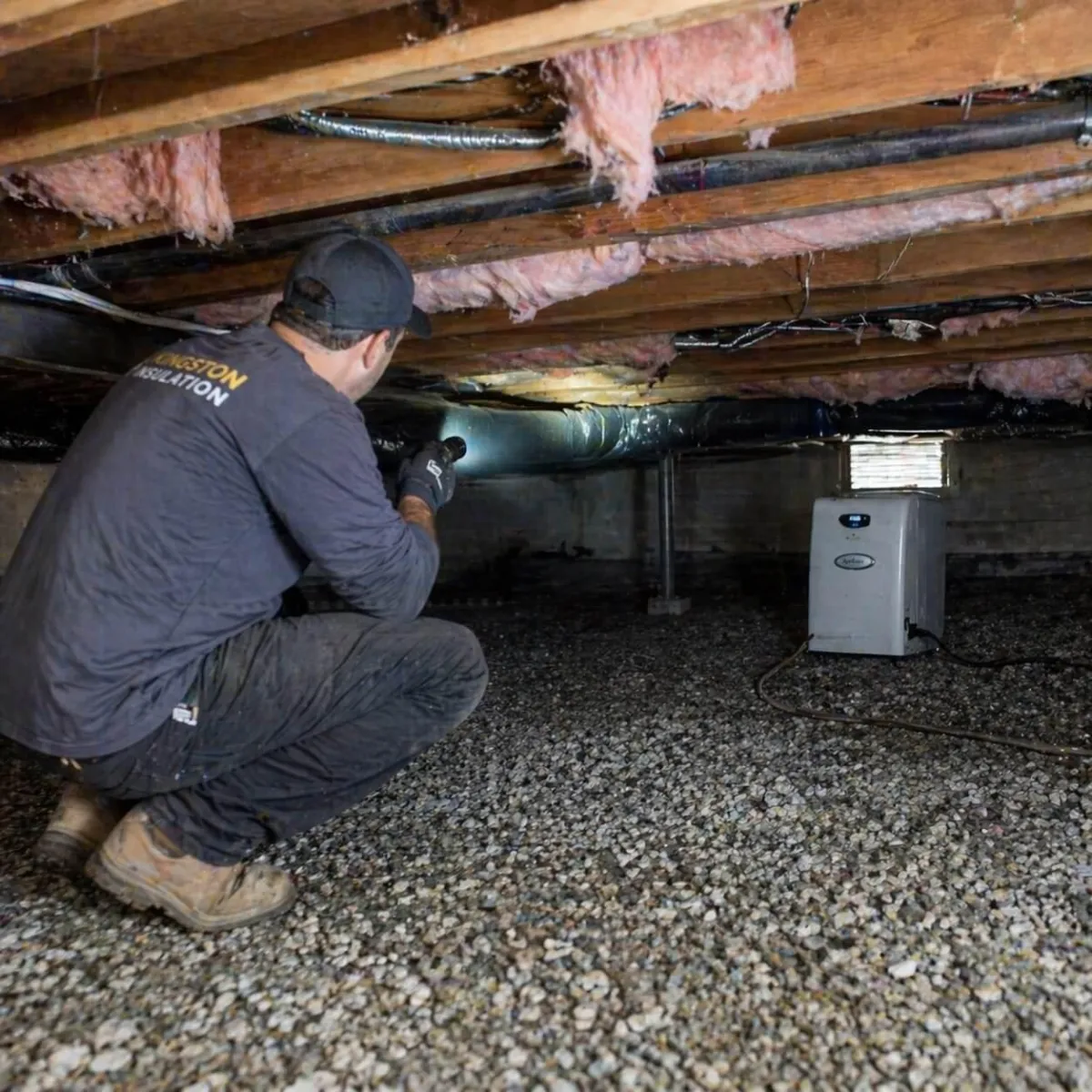
Basement and crawl space discomfort is another frequent problem. In Napanee’s older and rural homes, cold floors may come from unsealed rim joists, exposed foundation walls, damp crawl spaces, or poorly insulated basement headers. If the lower part of the house is cold and leaky, the whole building can act like a chimney: cold air enters low, warm air escapes high, and the furnace or heat pump has to keep chasing the loss.
Shoreline and rural properties can add another layer. Homes near Hay Bay, the Napanee River, Adolphus Reach, or open agricultural land may experience stronger wind exposure than sheltered in-town lots. That does not necessarily mean the house needs a radically different insulation product, but it does make air sealing more important. Wind does not politely ask the insulation for permission; it looks for every crack, gap, and bypass it can find.
How Specific Issues are Addressed
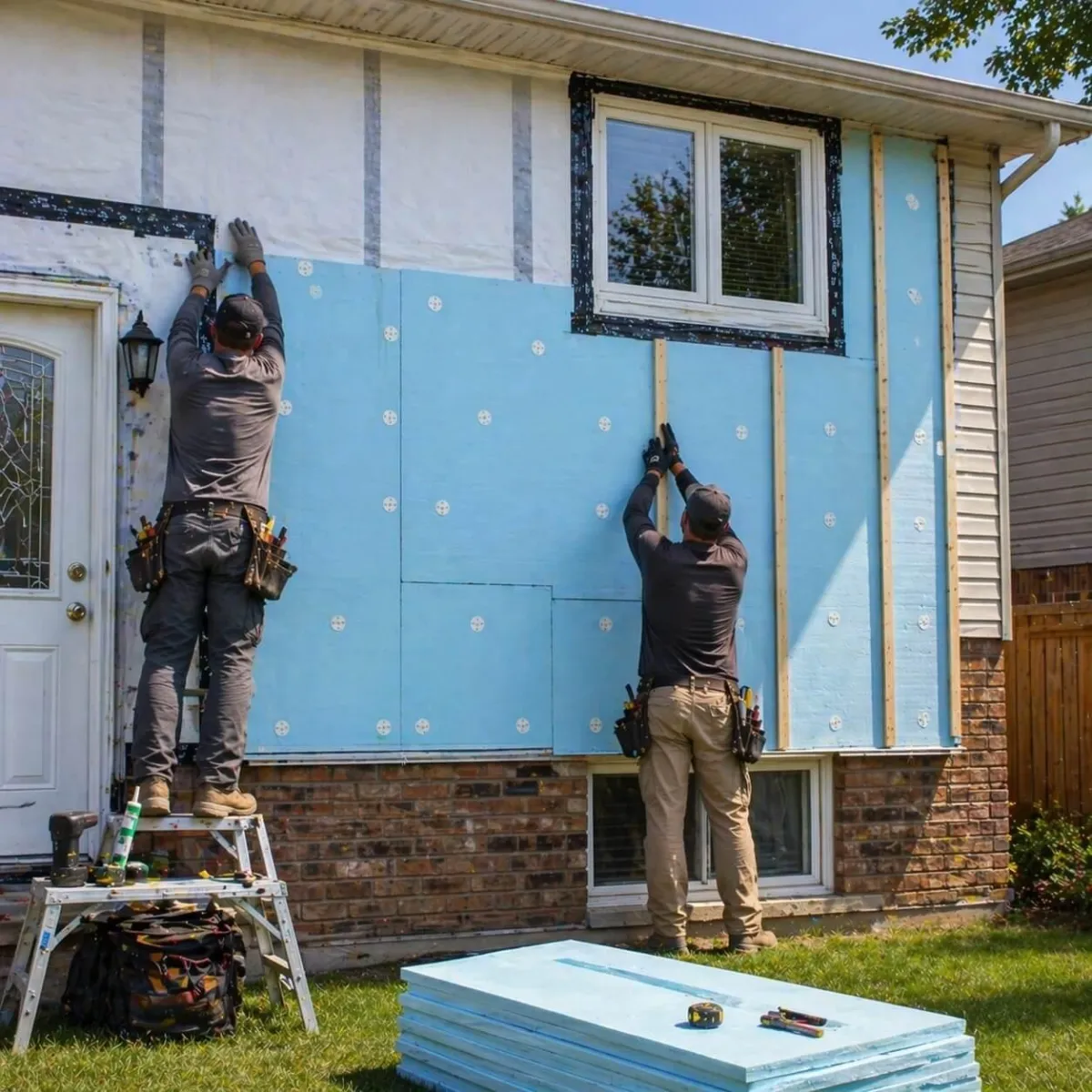
In Napanee’s older homes, the first step is usually to understand how the building is handling air and moisture before adding insulation aggressively. Older brick, stone, and plaster assemblies often need a careful approach because they may rely on some drying ability that newer wall systems do not. Attics, basements, crawl spaces, and accessible transition points are often better starting points than closed historic wall cavities, especially where the goal is to improve comfort without creating moisture problems inside older materials.
For many homes, attic work begins with air sealing. Before simply adding more blown insulation, it is important to seal the common leakage points: attic hatches, plumbing stacks, electrical penetrations, dropped ceilings, chimney chases, partition tops, and other bypasses. Once warm indoor air is better controlled, attic insulation can perform more consistently, and ventilation can do its job without being overwhelmed by indoor moisture escaping into the roof space.
Basement and crawl space improvements usually focus on the rim joist, foundation walls, and exposed floor areas. In many Napanee homes, sealing and insulating the rim joist can make a noticeable difference because this area is a major transition point between the foundation and the main floor framing. Where crawl spaces are damp or irregular, insulation work may also need to be paired with ground moisture control, air sealing, and sometimes changes to how the space is ventilated or conditioned.
For rural and shoreline homes, the strategy often places extra emphasis on wind control. That may mean improving attic edge details, sealing penetrations, insulating basement headers, addressing cantilevered floors, or correcting gaps around additions and sunrooms. A good insulation plan is not just about R-value on paper; it is about stopping outdoor air from sneaking through the house like it owns the place.
When It Makes Sense to Update Insulation
It makes sense to look at insulation when a Napanee home has persistent cold rooms, cold floors, drafts, high winter heating costs, or visible attic frost. These symptoms often point to a building envelope problem rather than a furnace problem. Mechanical systems can only do so much if the house is losing heat through unsealed attic openings, exposed rim joists, thin insulation, or poorly insulated additions.
Insulation should also be considered during renovations. If walls, ceilings, basement framing, or attic areas are already being opened, it is usually the best time to improve air sealing and insulation details. This is especially true in older homes, where renovation work can reveal hidden gaps, odd framing transitions, and insulation that was added in stages over many decades.
Homeowners should also pay attention after changes to windows, siding, roofing, heating equipment, or ventilation. A house is a system, and changing one part can affect another. For example, tightening up windows without addressing attic air leakage may still leave the home uncomfortable. Finishing a basement without managing foundation moisture can create problems behind the new walls. Updating insulation is most effective when it is planned as part of the whole building, not treated as loose fluffy stuff that gets tossed in wherever there is room.
For Napanee homes, the best time to consider insulation improvements is when comfort problems are repeatable and tied to specific parts of the house: the same upstairs bedroom is always cold, the same roof edge forms ice, the same basement corner feels damp, or the same floor area is uncomfortable every winter. Those patterns are useful clues. They help identify where heat, air, and moisture are moving — and where insulation work is most likely to make a practical difference.
Is your home losing heat, feeling drafty, or harder to keep comfortable?
Helping Kingston Homeowners
INSULATION SOLUTIONS
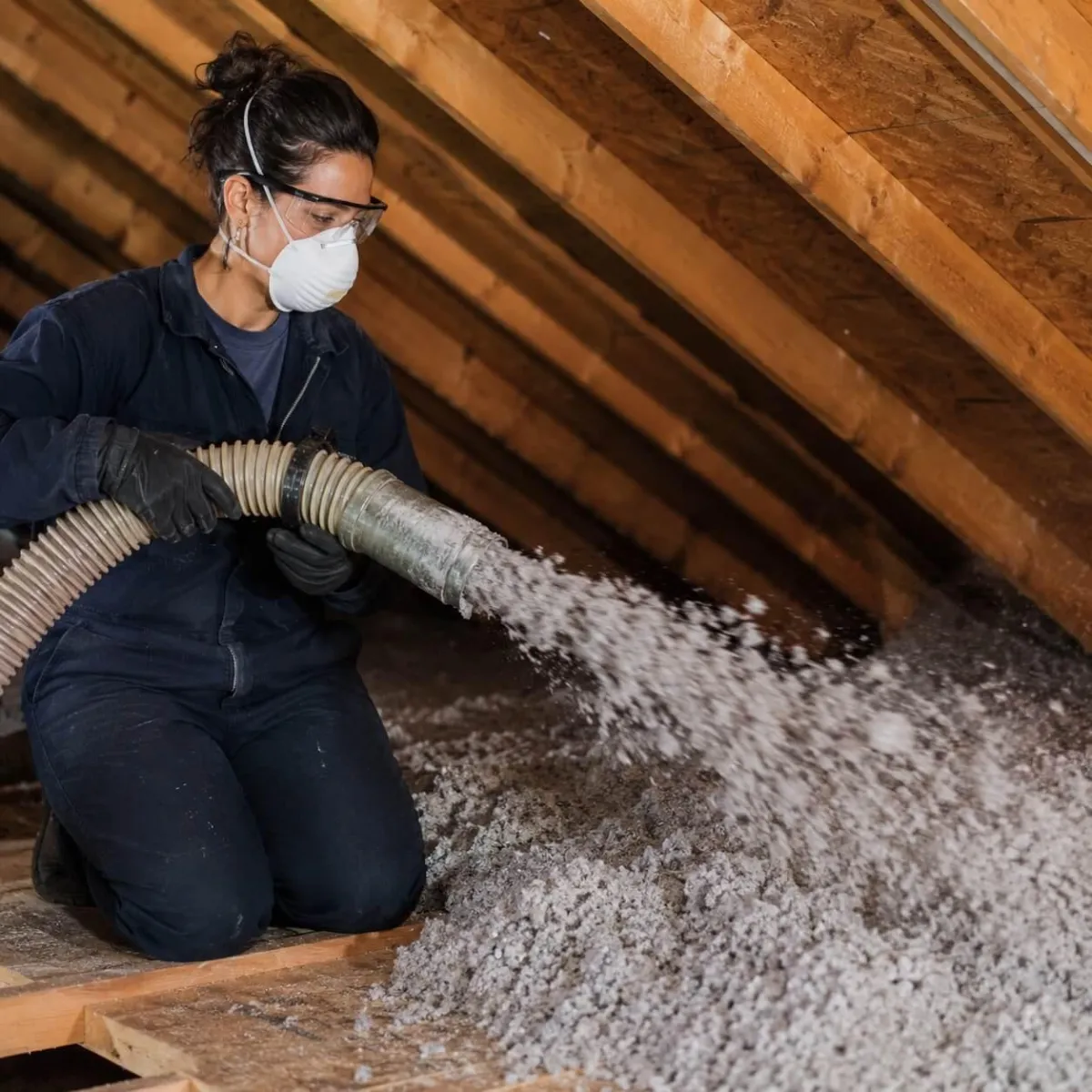
Blown In Cellulose Insulation
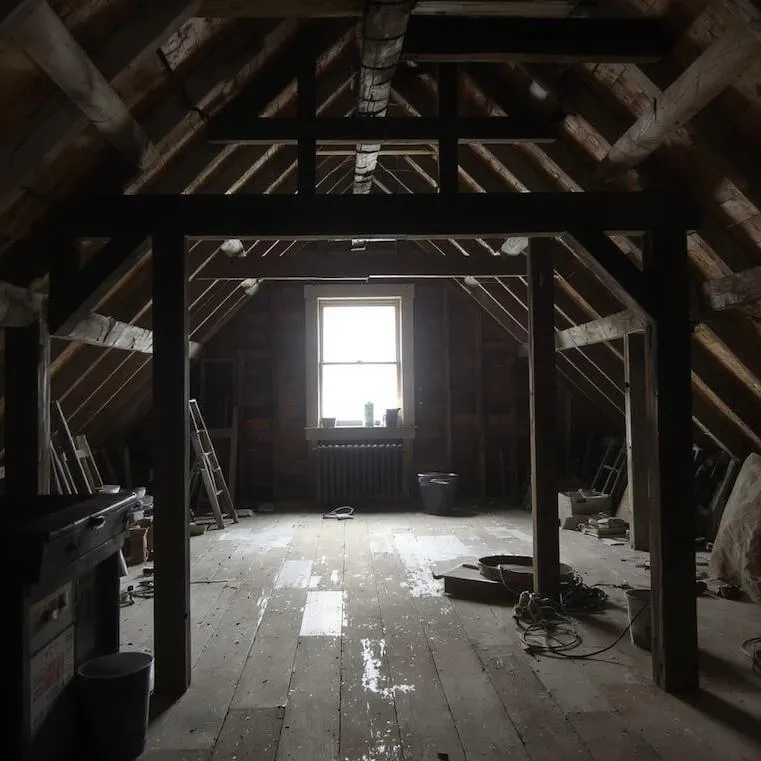
Blown In Cellulose Insulation
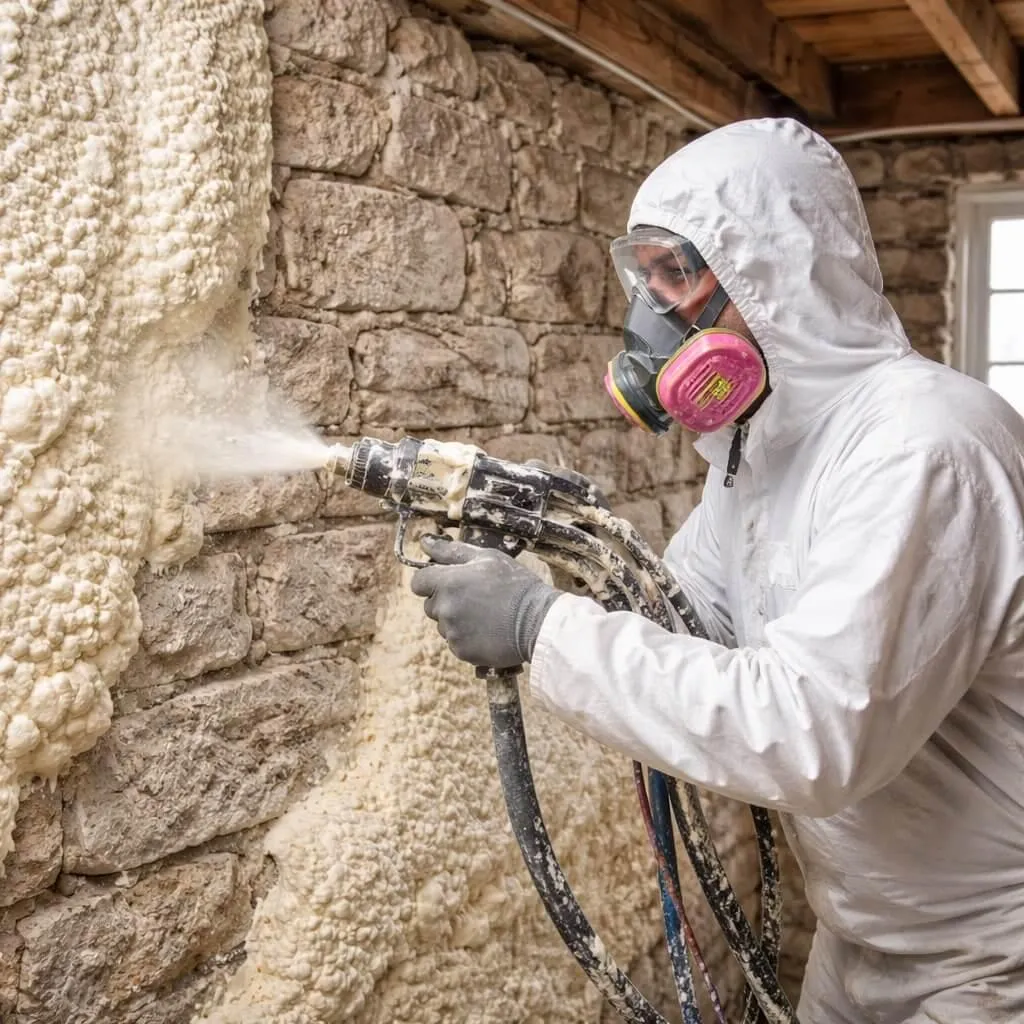
Spray Foam Insulation
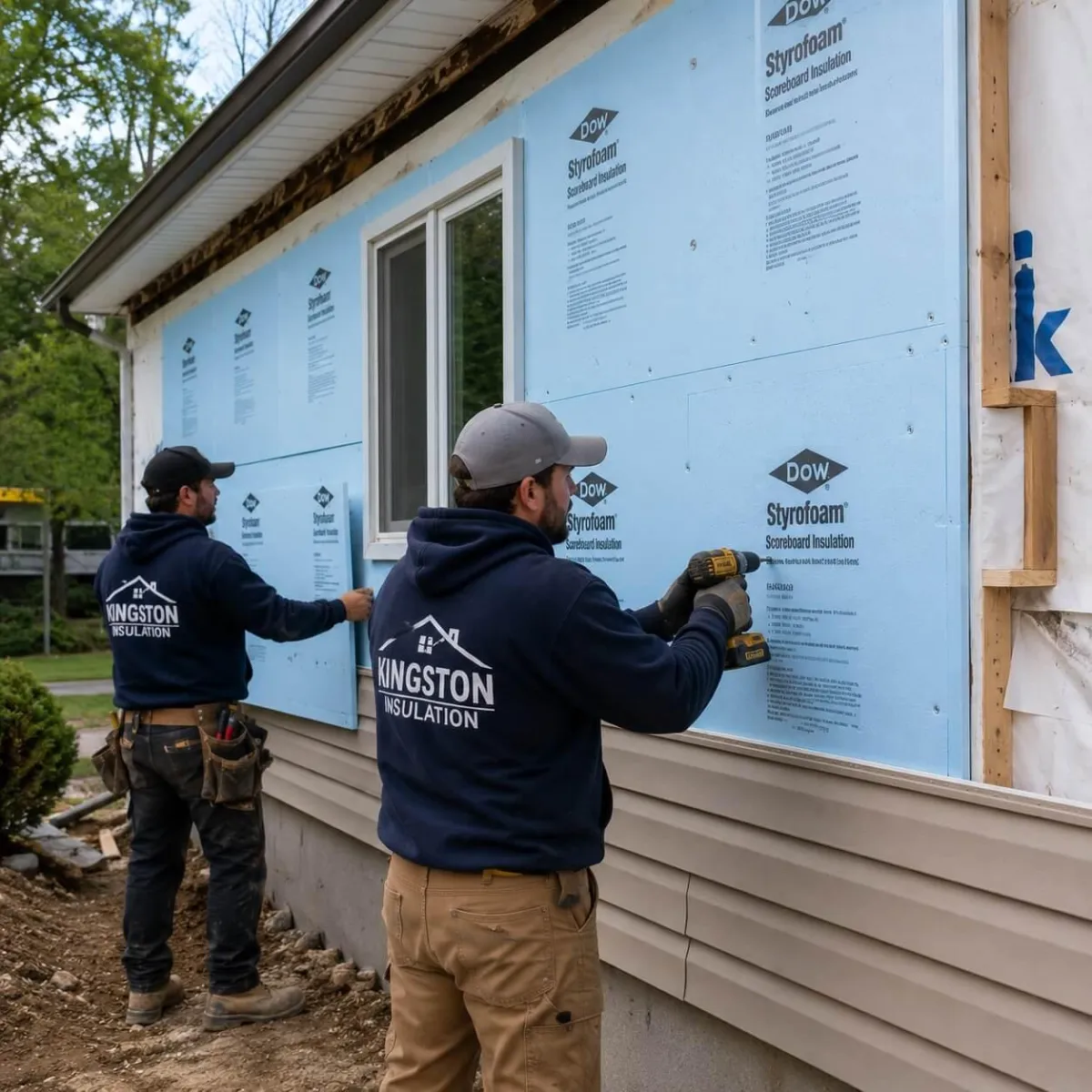
Foam Block Insulation
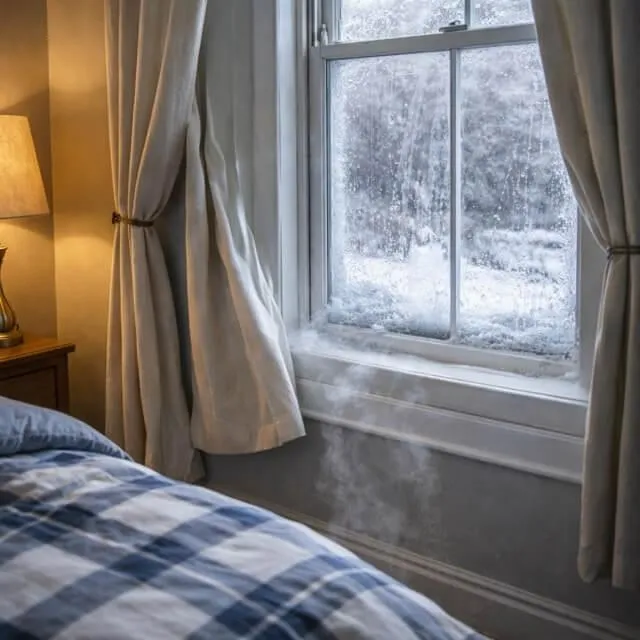
Spray Foam Insulation
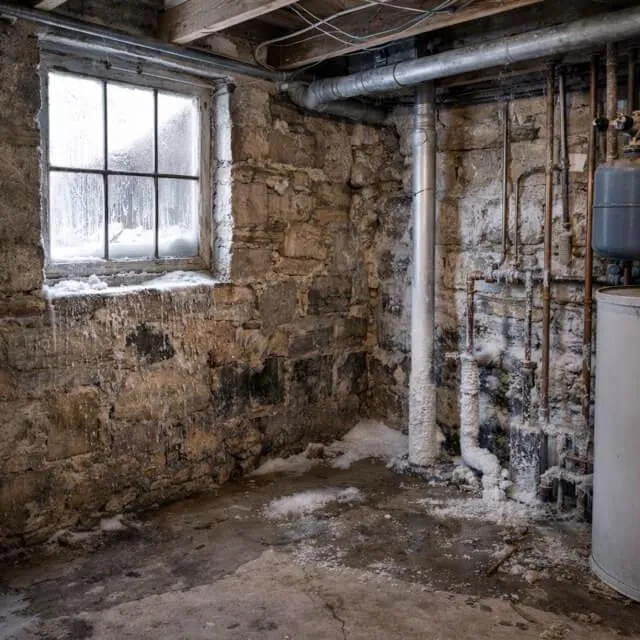
Foam Block Insulation
LINKS
This website is operated by Joe Ramsay and Associates Inc. We are not an insulation contractor. We provide information and connect homeowners with independent local service providers. We may receive compensation from service providers for introductions made through this site.