
Odessa
Odessa
Clear, practical guidance on common insulation issues — and a direct connection to a trusted local company when you’re ready for help.
Odessa - more than a kingston bedroom community
Odessa sits just west of Kingston along Highway 2, with open farmland, low tree cover, and steady exposure to wind moving off Lake Ontario. That exposure changes how homes behave. Wind pressure increases air leakage through rim joists, attic bypasses, and older wall assemblies. In winter, cold air is pushed into small cracks; in summer, humid air is drawn inward. Insulation performance in Odessa is often tied less to R-value alone and more to how well the building shell controls air movement.
The housing stock is mixed. There are older village homes with stone or block foundations, 1970s–1990s subdivisions with vented attics and fiberglass batts, and newer estate builds on open lots. Many properties rely on wells and septic systems, which means basements and crawlspaces are common. Soil moisture, spring thaw, and wind exposure all influence how basements, attics, and wall systems manage heat and humidity over time.
Mixed Housing Means Different Insulation Issues
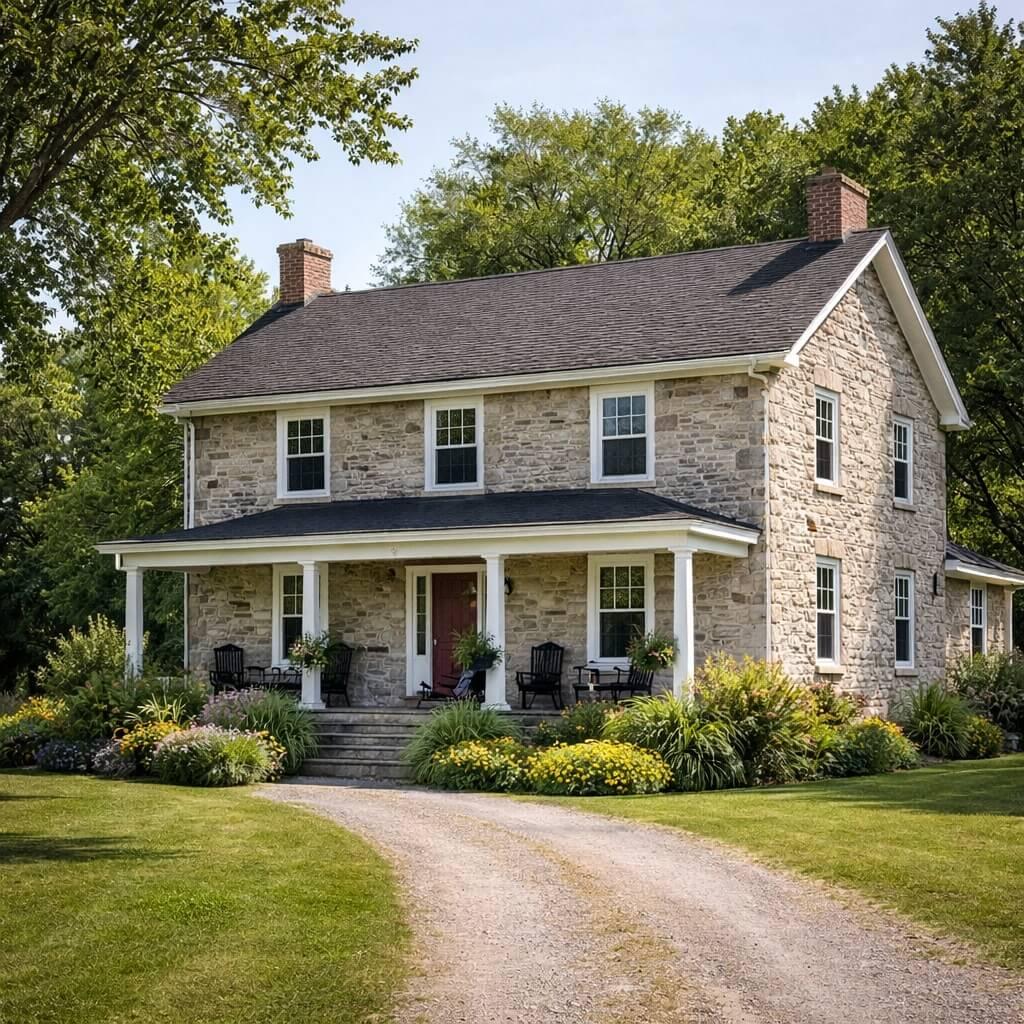
Odessa’s older housing is concentrated around the original village fabric near Main Street, Millhaven Creek, and the Babcock Mill area. Loyalist Township identifies Babcock Mill as a stone mill built in 1856 on Millhaven Creek, and notes that the community was originally tied to mills along the creek before being renamed Odessa in 1856. That history matters for insulation because the oldest homes in this part of the village often sit within a landscape shaped by creek-side grades, older drainage patterns, and building methods that predate modern air barriers. In these houses, insulation is usually a retrofit rather than an original system: attic insulation may have been added later, basement walls may have been framed from the interior, and rim joists may still be leaky or only partly sealed. The main risk is not simply “too little insulation,” but mismatched upgrades that reduce drying potential in older stone, block, or mixed-material assemblies.
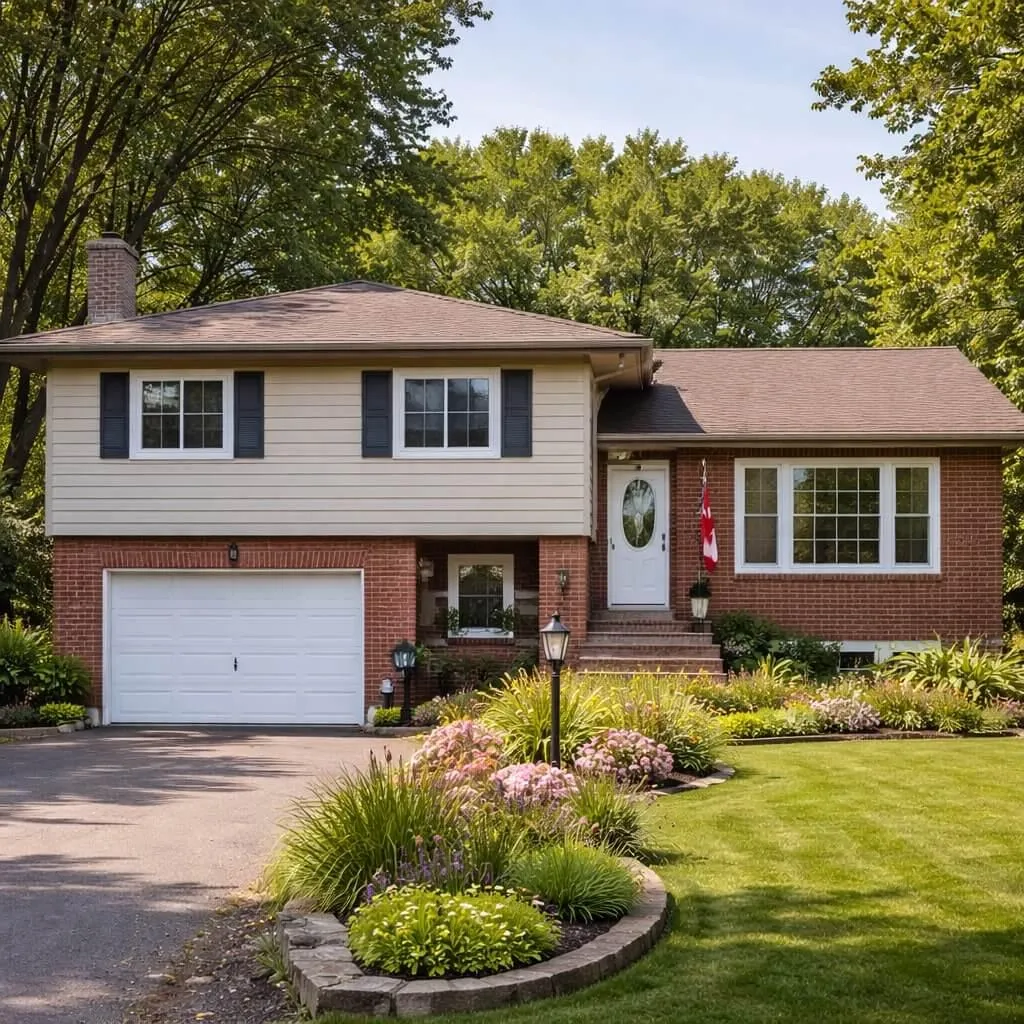
Odessa also has a layer of postwar and late-20th-century subdivision housing around the established west and south-west streets, including older sections of Potter Drive, Creighton Drive, South Street, and nearby residential areas. Loyalist Township’s current Potter-Creighton-South Main infrastructure project is useful evidence here because it distinguishes the “original sections” of Potter Drive and Creighton Drive from the newer extensions created by recent development, and it places these streets in the west end of Odessa. In insulation terms, these homes are more standardized than the older village houses, but many were still built before current expectations for continuous air barriers, high attic R-values, and sealed rim joists. The likely weak points are attic hatches, top plates, wiring and plumbing penetrations, basement headers, and partially finished basements where framing and batt insulation were added without a complete air-sealing strategy. Odessa’s open west-end exposure can make those leaks more noticeable, especially in winter when wind pressure drives cold air into the house and pulls heated air toward the attic.
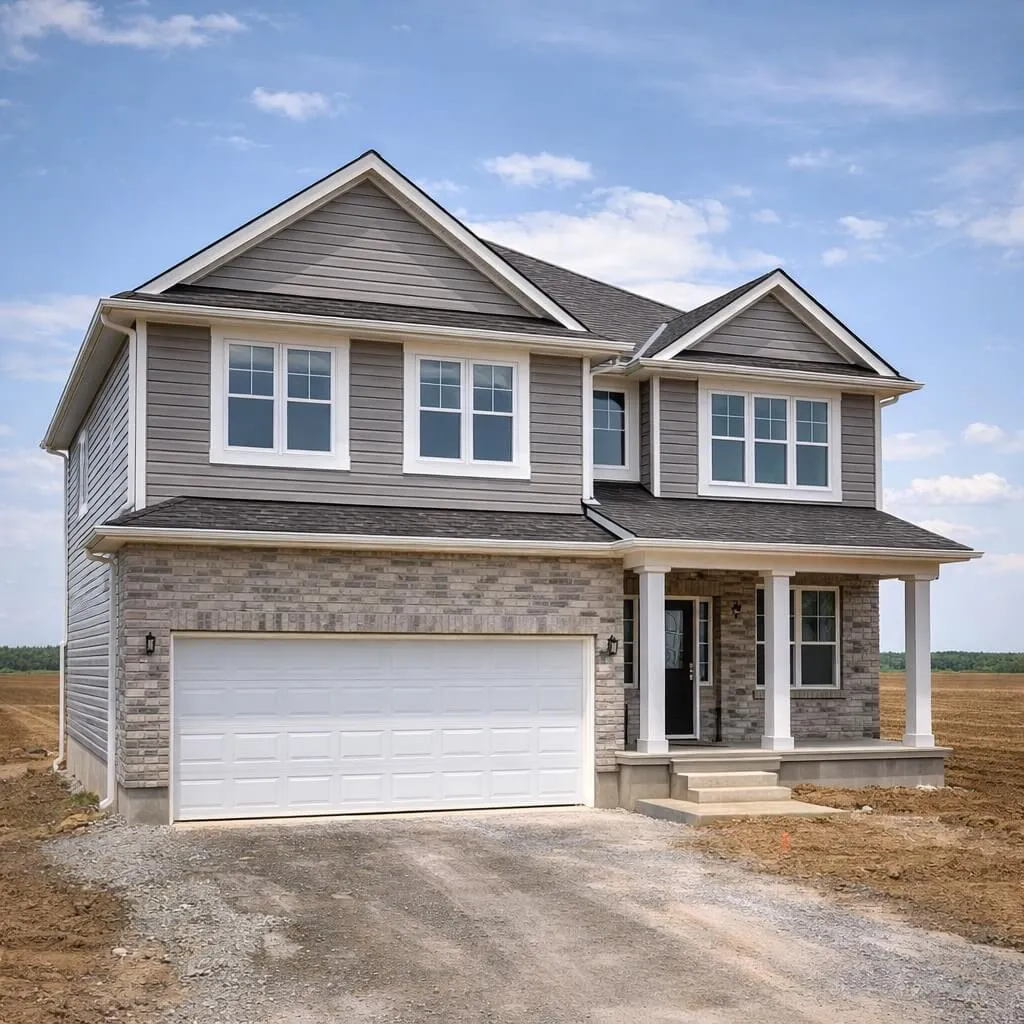
The newest housing is not north of County Road 2; the active growth is mainly on the south and southwest side of the village. Babcock Mills is listed at 115 Potter Drive and is currently selling and under construction, with homes ranging roughly from 1,250 to 2,250 square feet, 2–4 bedrooms, and 2–4 bathrooms. Golden Haven, by Golden Falcon Homes, is also listed as selling and under construction, with 82 total units and home sizes ranging from about 1,188 to 2,612 square feet; its sales centre is shown at 58 Dusenbury Drive in Odessa. These newer homes are built to more recent code standards and should have more consistent insulation than older houses, but their performance still depends heavily on execution. With two-storey layouts, attached garages, open-concept plans, larger roof transitions, and frequent mechanical penetrations, comfort problems are more likely to come from air leakage at garage-to-house walls, attic bypasses, duct chases, rim joists, and poorly sealed penetrations than from a simple shortage of insulation.
Odessa is also entering a larger next phase of growth west of the existing village. Loyalist Township approved the Fields of Loyalist / Creekford Developments draft plan in March 2025 for land in Concessions 3 and 4, Lots 29 and 30, fronting County Road 2 in Odessa. Reporting on that approval describes a 584-unit subdivision south of County Road 2, with 390 semi-detached units and 194 single-detached units, plus four new streets, a multi-use pathway, and extensions of existing streets. From an insulation perspective, this points to a denser, more production-oriented housing pattern than older Odessa, with many semi-detached homes sharing party-wall conditions and compact building envelopes. These homes will likely have better baseline insulation than the village’s older stock, but long-term comfort will still depend on continuity: clean air-sealing at party-wall edges, attic separations, garage interfaces, mechanical penetrations, and foundation-to-wall transitions. In other words, the future insulation story in Odessa will be less about whether new homes “have insulation” and more about whether the insulation, air barrier, ventilation, and moisture control layers are installed as one connected system.
Comfort & Moisture Issues in Odessa
Wind-driven air leakage is a recurring theme in this area. Homeowners often describe rooms that feel drafty despite having adequate insulation levels on paper. In winter, temperature stratification can be noticeable, with warm air pooling at ceilings and cooler air settling along exterior walls and floors. In summer, humid air infiltration can increase indoor moisture loads.
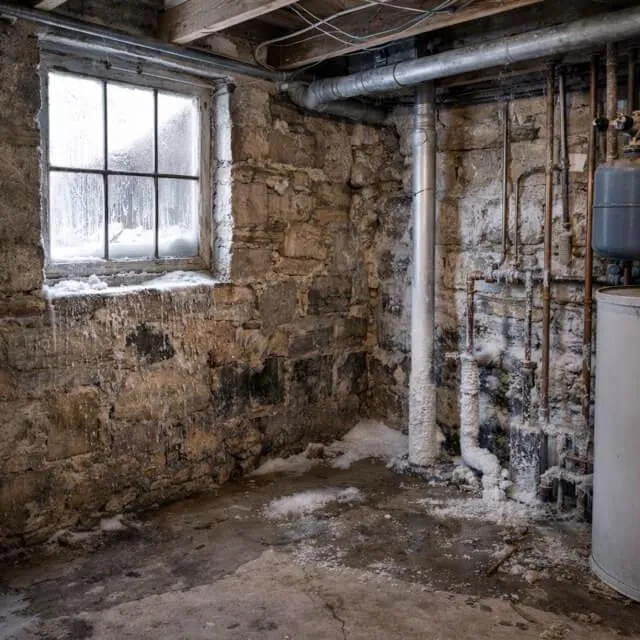
Basements are another frequent concern. Homes with older foundations may experience seasonal dampness, particularly during spring melt. Even without visible water entry, high humidity can move upward into the main floor framing. This can affect comfort, indoor air quality, and long-term durability. Addressing basement air sealing and insulation as part of a broader basement insulation strategy often changes how the entire house feels.
Attic performance also plays a central role. In windy areas like Odessa, small air leaks at the ceiling plane can act like open windows under pressure. Heat loss through poorly sealed attic hatches, plumbing stacks, and top plates contributes to uneven temperatures and higher heating demand. Improving attic insulation without air sealing first rarely delivers the expected results.
insulation upgrades depend on your odessa home style
Century homes in Odessa—mainly along the original village core—are built on early stone or block foundations tied to the historic Millhaven Creek corridor that runs through the community. These homes were never designed with modern insulation layers or air barriers, and many have been retrofitted in stages over decades. A common local pattern is partial upgrades: attic insulation added at some point, basement walls framed and insulated later, but little continuity between systems. Because the area has documented groundwater and surface water concerns dating back to early environmental studies of the village, basements often deal with seasonal moisture movement, especially during spring thaw. That moisture, combined with unsealed rim joists and floor framing, leads to a mix of cold floors, musty air, and uneven heating—issues that aren’t resolved by insulation alone unless air and moisture control are addressed together.
Homes built in the 1970s expansion—largely south of County Road 2—reflect the first wave of planned suburban growth following infrastructure upgrades in the area. These houses typically use 2x4 wall construction with batt insulation and vented attics, but what stands out locally is how exposed they are to wind across open land surrounding the village. That exposure amplifies air leakage through attic planes, particularly at hatches, top plates, and service penetrations. Many of these homes still have minimally insulated poured concrete basements, which contributes to heat loss and cold floor conditions above. In practice, homeowners often find that adding attic insulation alone doesn’t fix comfort problems—because the real issue is uncontrolled air movement being driven by wind across the subdivision.
Newer homes in Odessa—especially in the active southwest growth areas around Potter Drive and Creighton Drive, including developments like Babcock Mills and Golden Haven—are being built as a mix of detached and semi-detached homes, typically 3–4 bedroom layouts with attached garages and open-concept main floors. These homes meet current energy code requirements and are more consistent in insulation levels, but local construction patterns introduce a different set of issues. Rapid build timelines and production-style methods can leave gaps at key transitions—garage-to-house walls, attic bypasses, and mechanical penetrations—where air sealing is critical. The surrounding landscape is still relatively open in many of these subdivisions, which means wind exposure continues to influence how these homes perform, particularly before tree cover and landscaping mature. Looking ahead, the approved west-end expansion south of County Road 2—adding over 500 new units, many of them semi-detached—will follow similar construction patterns, reinforcing the same performance considerations around air sealing and system continuity rather than insulation levels alone.
Is your home losing heat, feeling drafty, or harder to keep comfortable?

Helping Kingston Homeowners
INSULATION SOLUTIONS
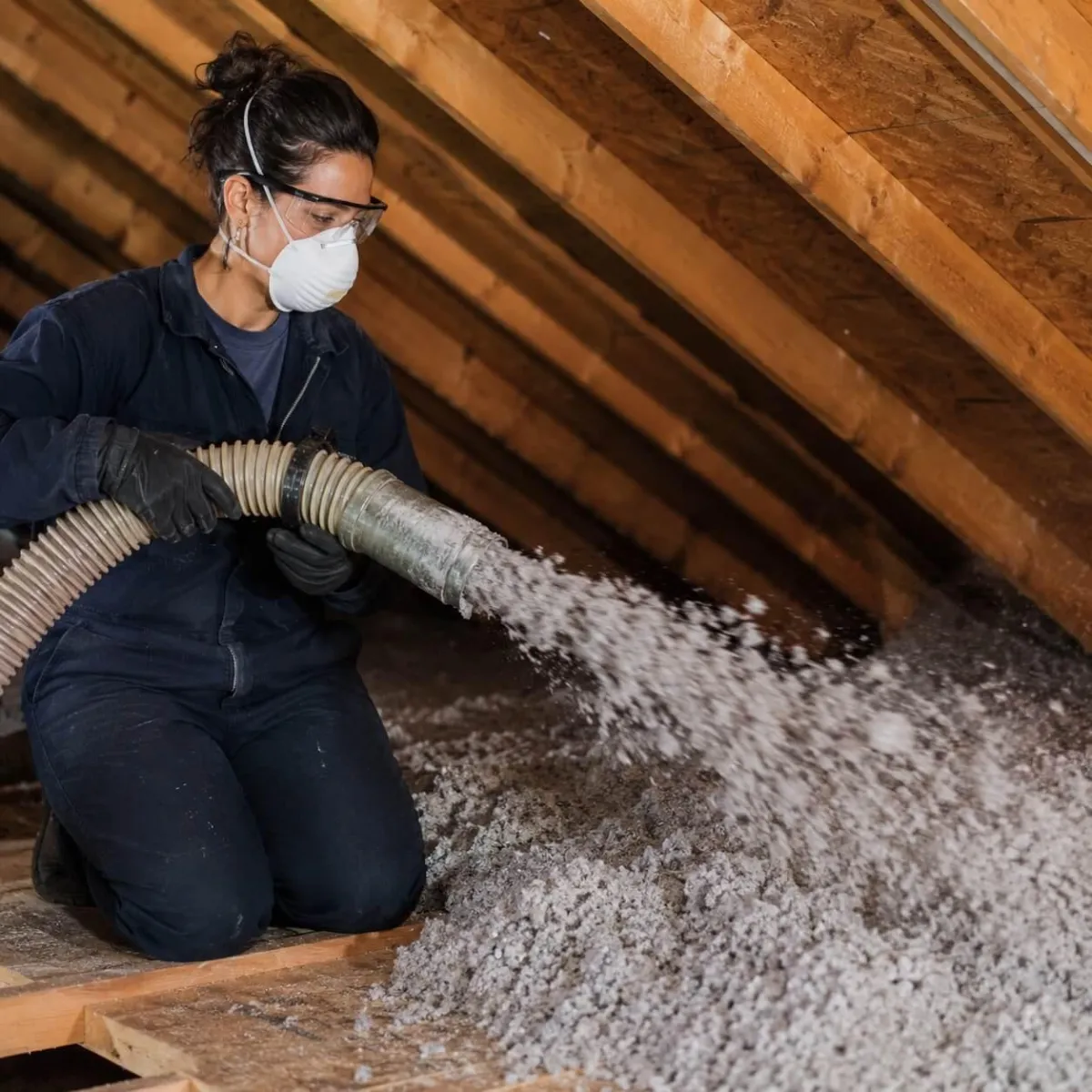
Blown In Cellulose Insulation
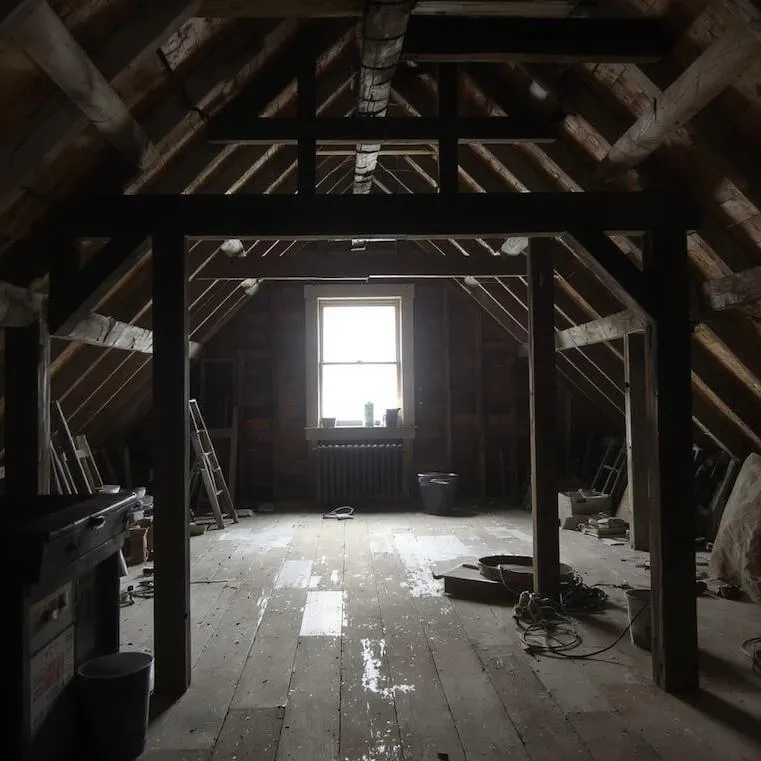
Blown In Cellulose Insulation
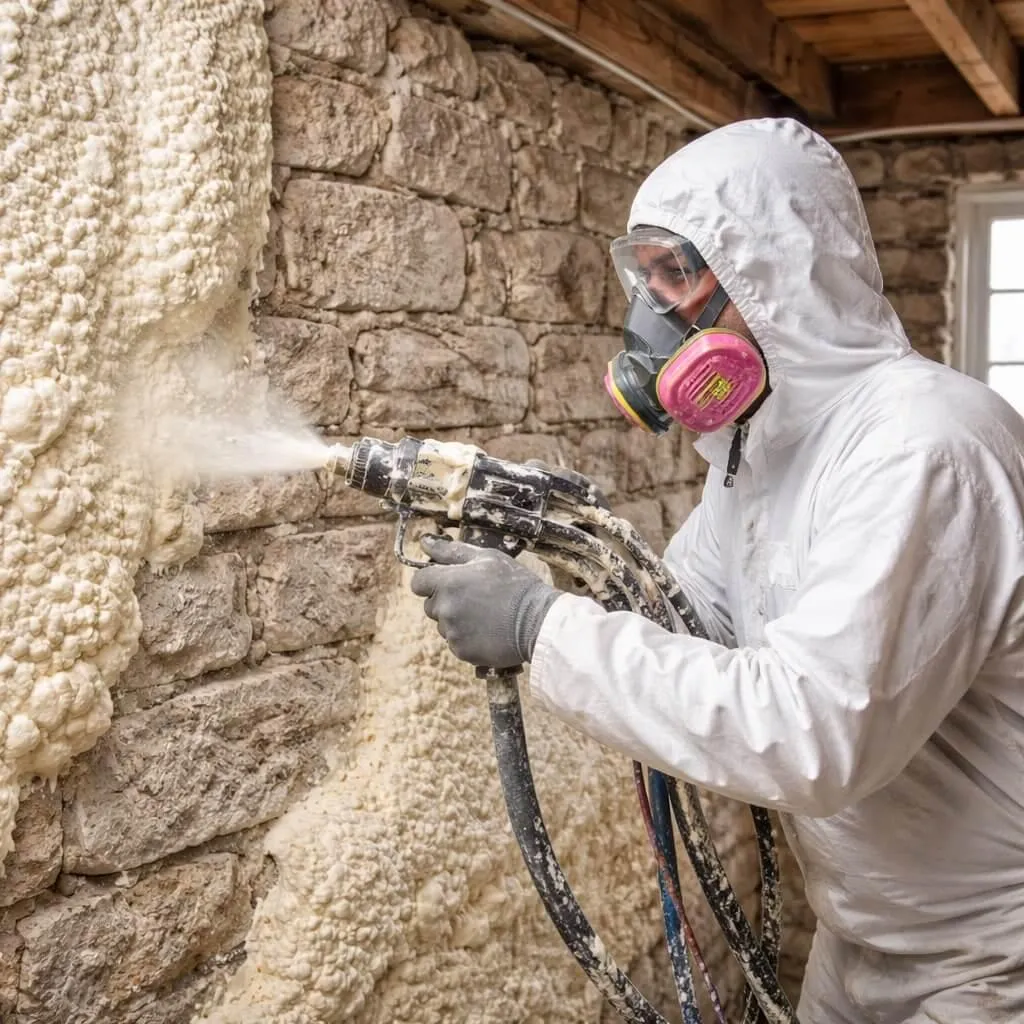
Spray Foam Insulation
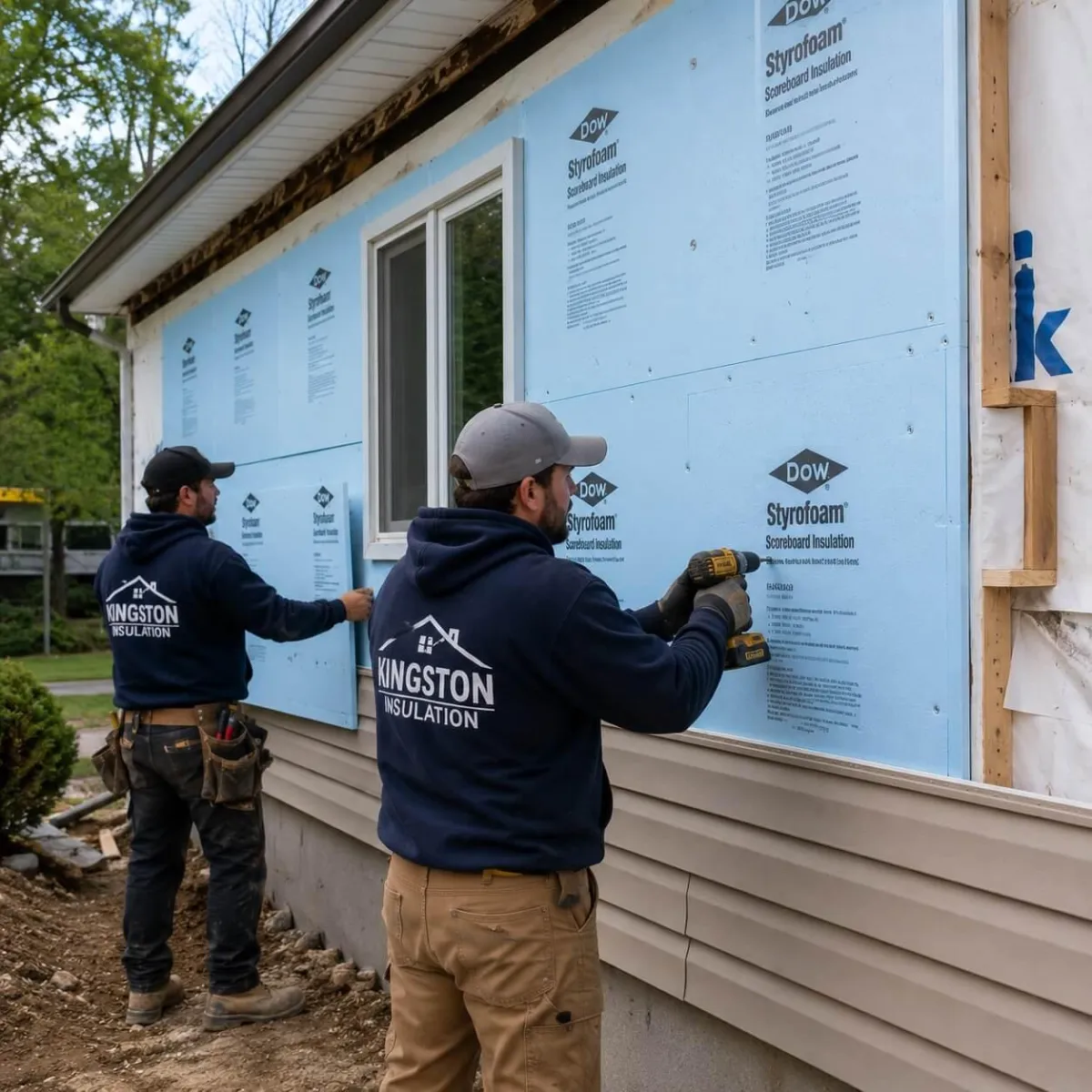
Foam Block Insulation
Spray Foam Insulation
Foam Block Insulation
LINKS
This website is operated by Joe Ramsay and Associates Inc. We are not an insulation contractor. We provide information and connect homeowners with independent local service providers. We may receive compensation from service providers for introductions made through this site.