Heat Loss & Ice Dam Solutions in Kingston
A practical guide to ice dams forming on the edge of your roof
In many Kingston homes, attic insulation problems don’t announce themselves clearly at first. Homeowners often notice small things that slowly add up — a second floor that feels colder than the main level, heating systems that seem to run constantly, or rooms that never quite get comfortable in winter.
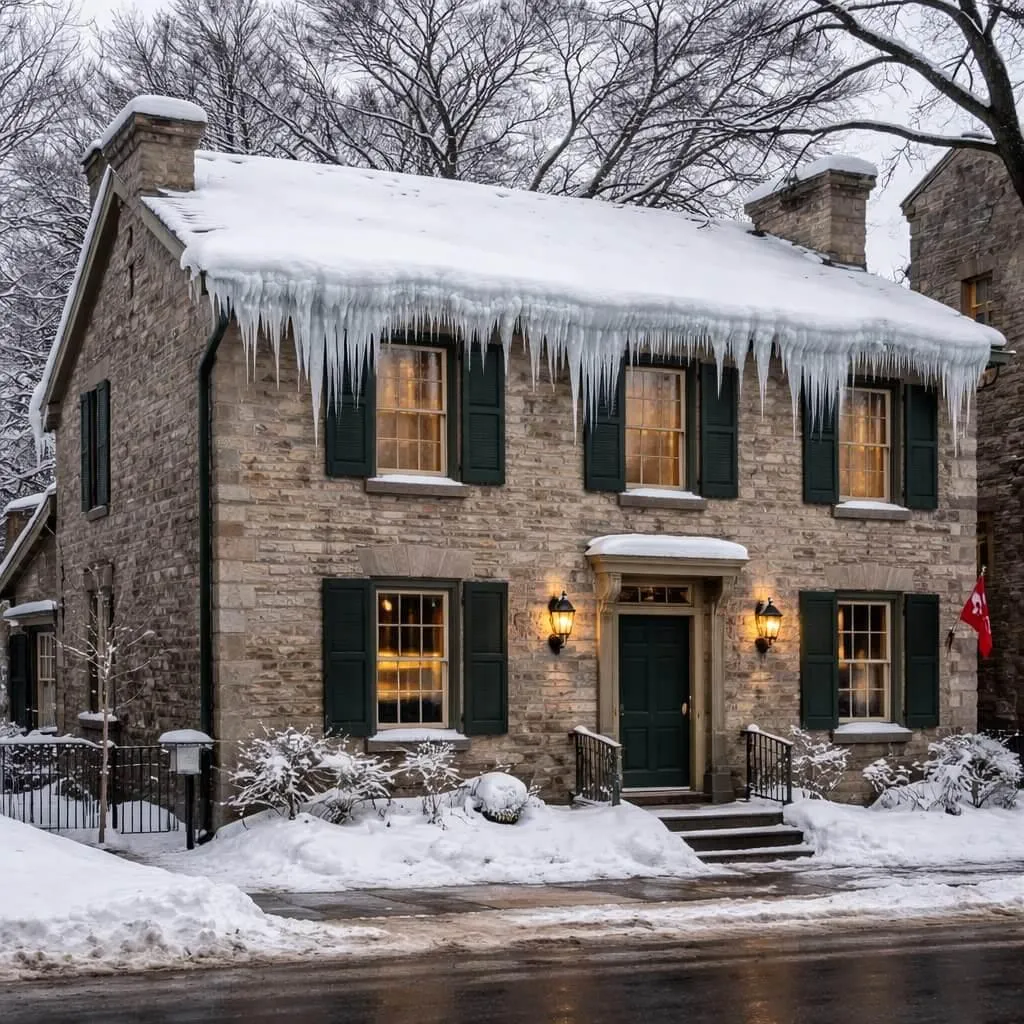
Over time, more visible signs may appear. Snow on the roof melts unevenly, ice begins forming along the eaves, or condensation shows up in the attic during cold spells. These issues are especially common after temperature swings, heavy snowfall, or prolonged cold weather.
In this region, attic heat loss is a frequent contributor to winter comfort problems because warm air naturally rises. When the attic isn’t properly insulated or sealed, that heat escapes first — making the rest of the home harder to keep warm and increasing energy use in the process.
EARLY SIGNS OF INSULATION PROBLEMS IN THE ATTIC
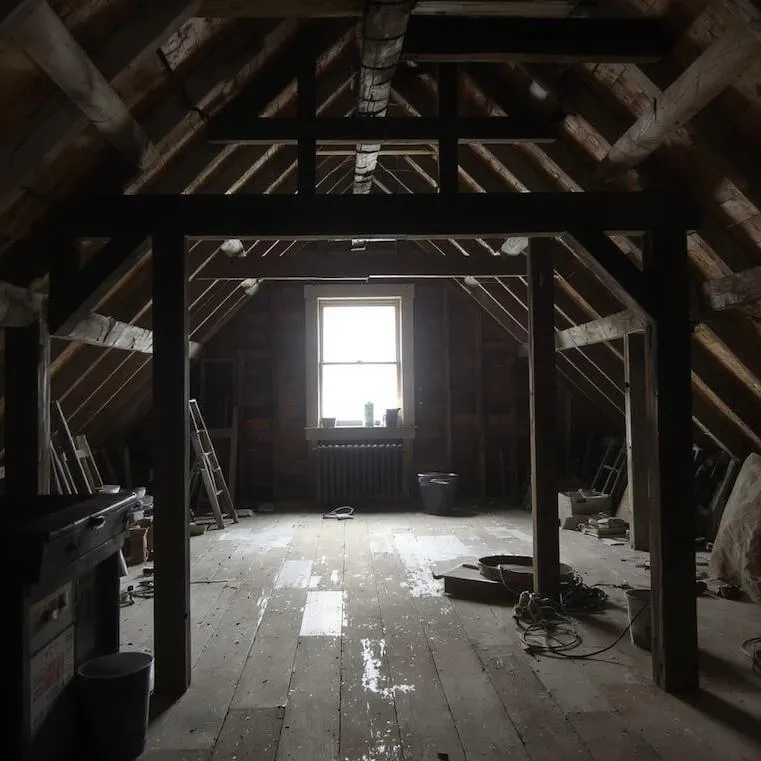
Most attic-related heat loss issues involve more than just “not enough insulation.” In many older Kingston homes, insulation levels were set decades ago, before modern efficiency standards were common. Over time, that insulation can settle, compress, or shift, reducing its effectiveness.
At the same time, air leakage often plays an even bigger role. Warm indoor air escapes through gaps around attic hatches, wiring, plumbing penetrations, and framing joints. When that warm air reaches the cold attic space, it can contribute to snow melt on the roof and moisture buildup inside the attic.
Simply adding more insulation without addressing air movement often leads to disappointing results. The insulation may slow heat loss slightly, but the underlying airflow problem remains. Understanding both insulation levels and air sealing is key to addressing attic heat loss properly.
HOW ATTIC HEAT LOSS IS USUALLY ADDRESSED
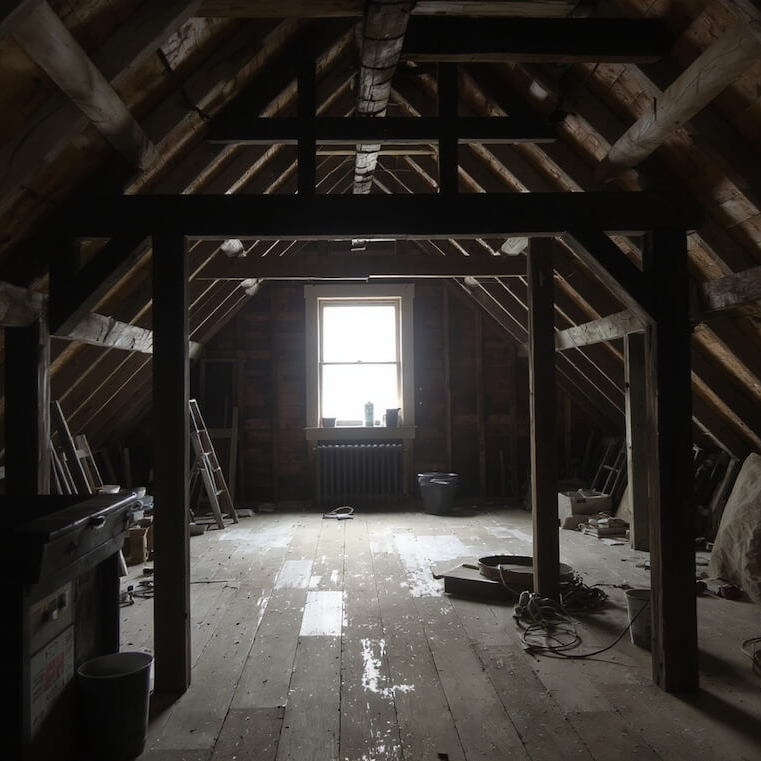
A proper approach to attic insulation typically starts with understanding the current conditions. This often includes checking insulation depth, identifying areas where insulation coverage is uneven, and looking for obvious air leakage points between the living space and the attic.
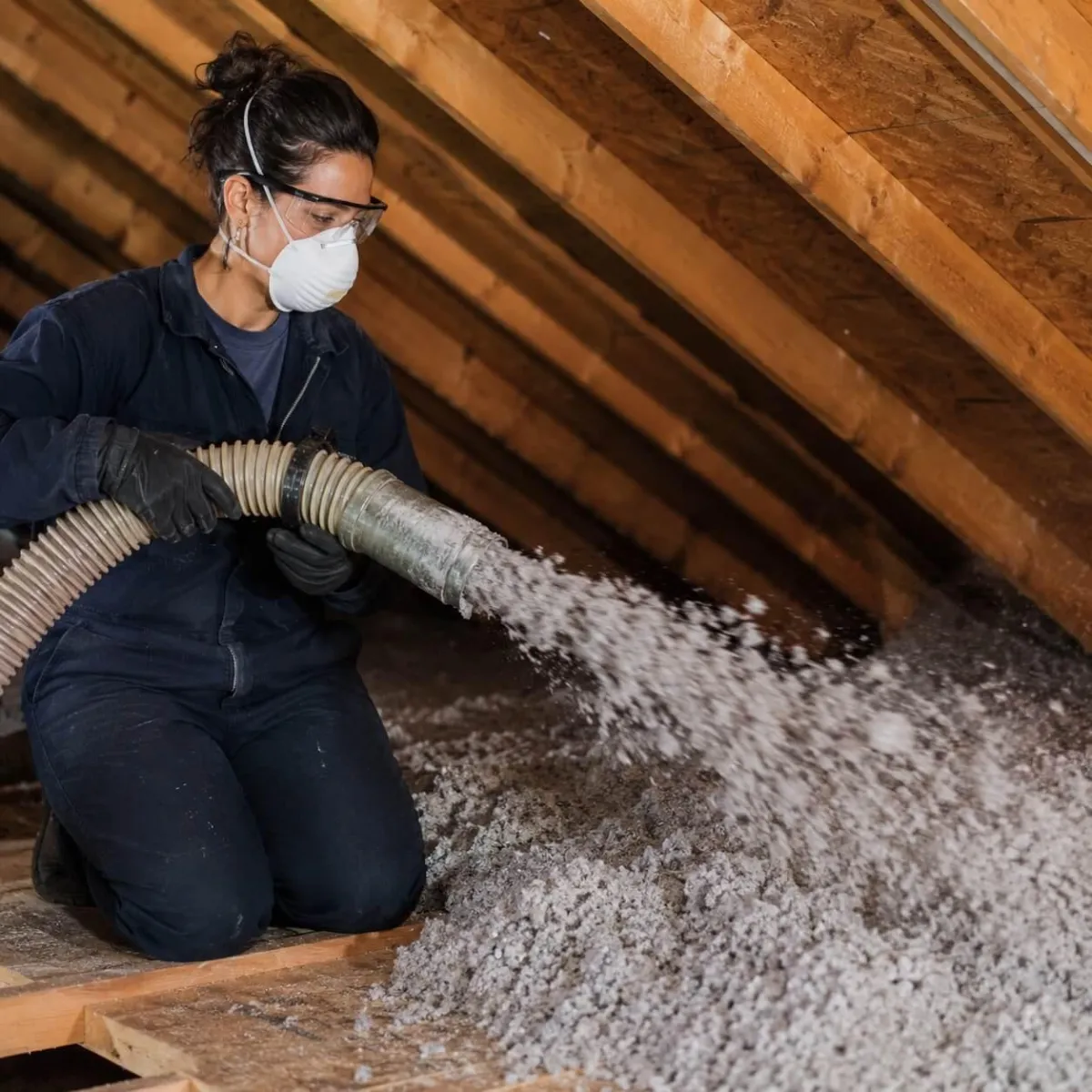
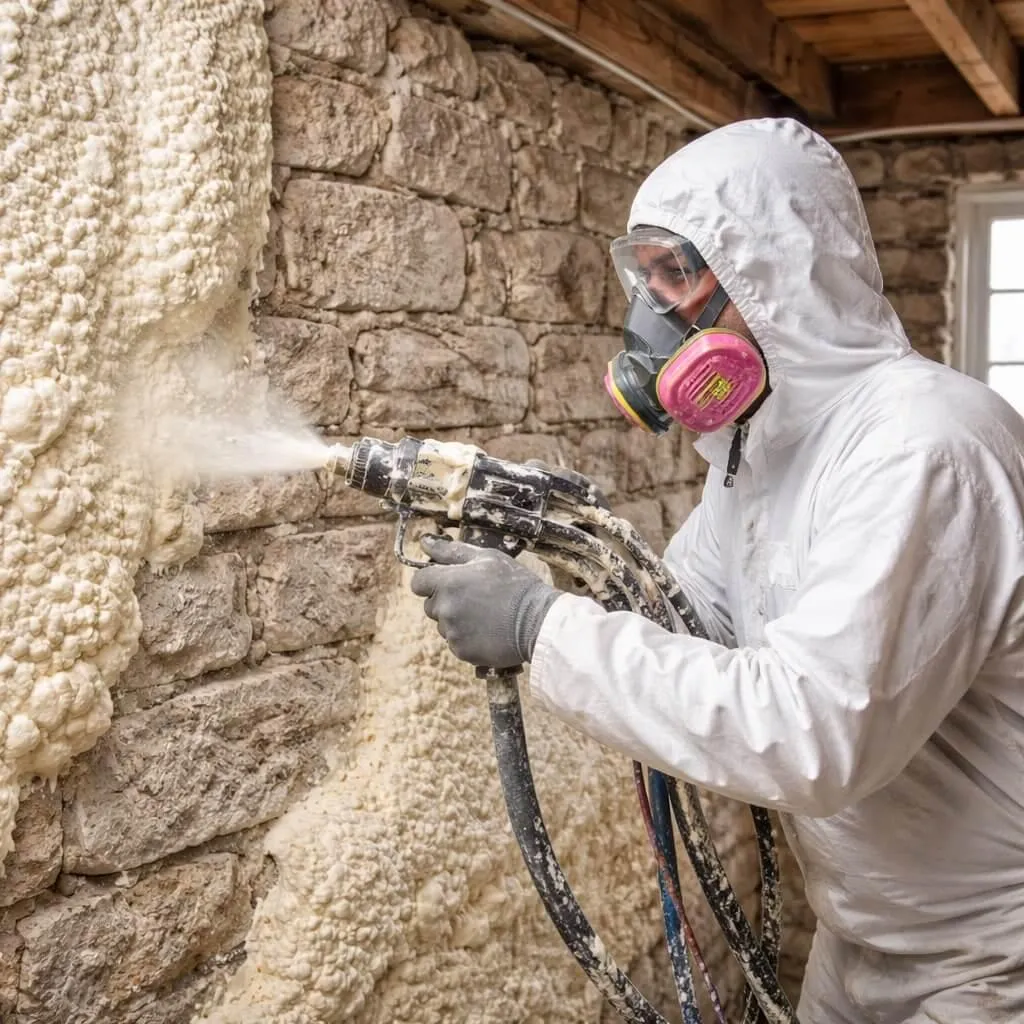
In many cases, improvements involve a combination of steps rather than a single fix. These may include sealing major air leaks, upgrading insulation to appropriate levels, and ensuring attic ventilation remains balanced so moisture can escape without pulling heat from the home.
The goal isn’t simply to add material, but to create a consistent thermal and air barrier between the heated living space and the attic above. When done correctly, this approach helps reduce heat loss, minimize ice dam formation, and improve overall winter comfort without placing extra strain on heating systems.
WHEN IT MAKES SENSE TO LOOK MORE CLOSELY
If you’re noticing ongoing comfort issues, recurring ice dams, or rising winter energy costs, attic insulation is often worth a closer look. These problems rarely resolve on their own and can become more noticeable over time as weather patterns and home use change.
That said, attic insulation isn’t always the only factor involved. In some homes, insulation upgrades are part of a broader set of improvements that may also include air sealing elsewhere or addressing moisture movement.
A good first step is usually a short conversation with an insulation contractor about what you’re experiencing — when the problem shows up, how long it’s been happening, and what kind of home you live in. From there, it becomes clearer whether attic insulation is likely contributing to the issue and what options typically make sense in situations like yours.
FREQUENTLY ASKED QUESTIONS
What causes ice dams on roofs?
Ice dams form when heat escapes into the attic, warming the roof surface and melting snow. The melted water refreezes at the colder roof edge, creating ice buildup. Poor attic insulation and air leaks are the most common contributors, especially during freeze–thaw cycles common in Kingston winters.
Does attic insulation prevent ice dams?
Proper attic insulation helps reduce ice dams by keeping heat inside the living space rather than escaping into the attic. When combined with air sealing, insulation helps maintain a more consistent roof temperature, reducing snow melt and refreezing at the eaves.
Are ice dams a sign of heat loss?
Yes. Ice dams are often a visible sign that warm air is escaping from the home into the attic. This heat loss can increase energy costs and contribute to moisture issues if not addressed.
Can adding insulation fix cold upstairs rooms?
In many homes, inadequate attic insulation contributes to cold upper floors. Improving insulation and sealing air leaks can help stabilize temperatures and make second floors more comfortable during winter.
Should air sealing be done before insulation?
In most cases, yes. Air sealing reduces warm air leakage into the attic, allowing insulation to perform more effectively. Adding insulation without addressing air leaks may limit the improvement and allow heat loss to continue.
What Is the Process to Address the Issue?
When attic insulation problems are suspected, the process usually begins with an on-site visit to better understand how the home is performing. During this visit, the insulation contractor looks at the attic itself, checks insulation depth and coverage, and notes any visible air leakage points such as attic hatches, wiring penetrations, or plumbing openings. The goal at this stage is to understand how heat and air are moving through the space, not to rush to a solution.
Based on what’s observed, an assessment is made of which factors are most likely contributing to heat loss, ice dams, or comfort issues. From there, a proposed approach is outlined, explaining what improvements are recommended and why. This is followed by a clear, written estimate that describes the scope of work, materials involved, and any preparation required. Homeowners should come away understanding what will be done and what outcomes are realistically expected.
WHAT TO CONSIDER WHEN SEEKING PROFESSIONAL HELP IN KINGSTON
When looking for professional help with attic insulation, it’s worth focusing on how the problem is approached, not just the materials being offered. A good contractor should be willing to explain why heat loss or ice dam issues are happening in your specific home, rather than recommending a one-size-fits-all solution.
It’s also reasonable to ask how air leakage will be addressed alongside insulation upgrades, since insulation alone may not resolve comfort or moisture problems. Clear explanations, realistic expectations, and written estimates are all signs of a thoughtful approach.
Because homes in Kingston vary widely in age and construction, experience with older housing types can make a difference. Finally, be cautious of pressure to make quick decisions. Attic insulation improvements should be based on an understanding of the home, not urgency. Taking the time to ask questions and understand the proposed work usually leads to better, longer-lasting results.