
Rigid Foam Insulation in Greater Kingston
Rigid Foam Insulation in Greater Kingston
A Practical Guide for Greater Kingston Homeowners
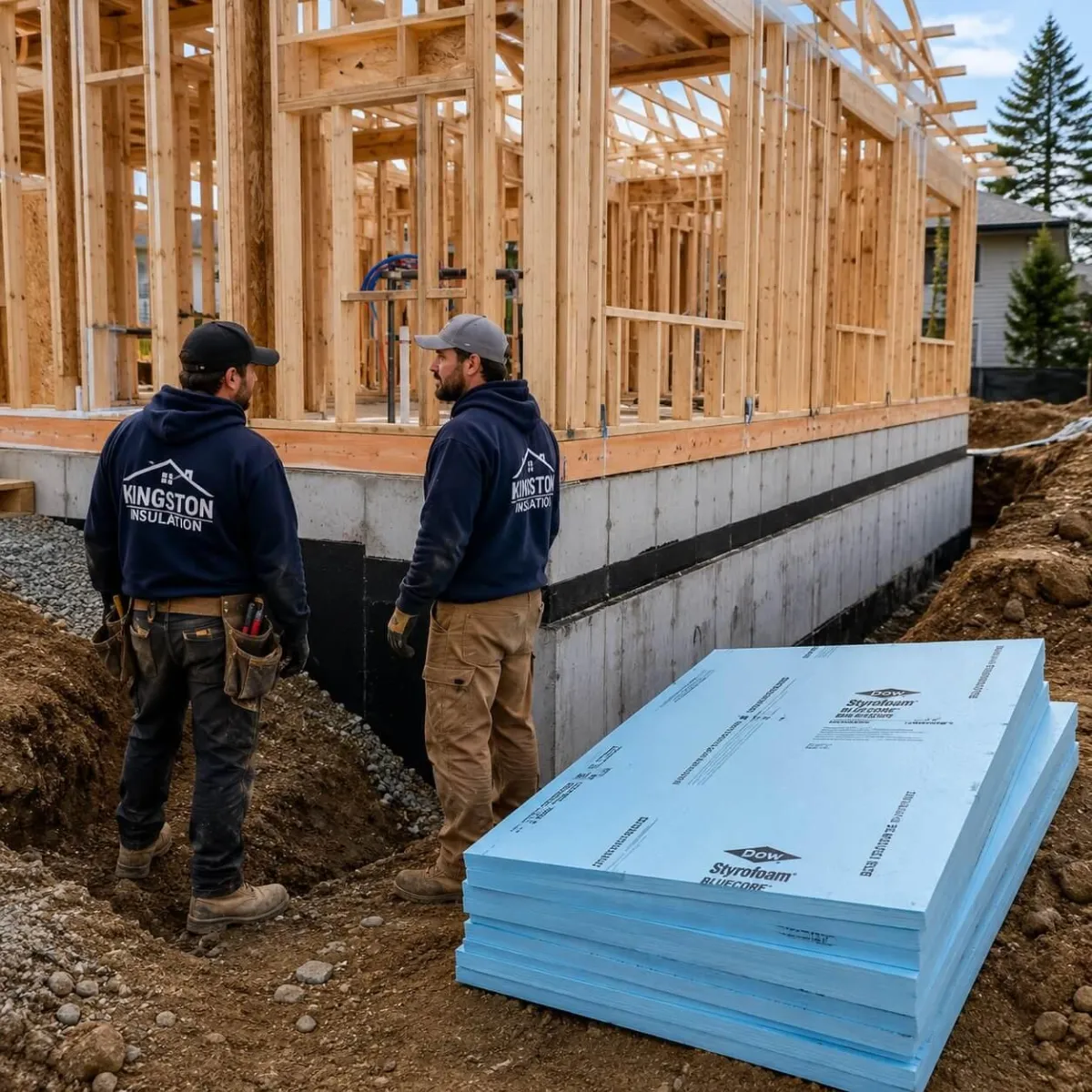
For many homeowners in Greater Kingston, insulation becomes a serious topic only after the house starts sending little winter complaints. A cold basement floor. A drafty room over the garage. Exterior walls that feel chilly even when the furnace is running. Ice forming in odd places. Heating bills that seem to climb like a squirrel up a cedar fence.
Rigid foam insulation can be one useful part of solving these comfort and heat-loss problems. It is not the right material for every situation, and it is not a magic fix on its own. But when it is used in the right location, with proper air sealing and moisture control, rigid foam can help improve comfort, reduce heat transfer, and support a more effective home insulation upgrade.
This guide explains what rigid foam insulation is, where it is commonly used, why it can be helpful in older or drafty homes, and when it makes sense to ask an insulation contractor for a closer look.
What Is Rigid Foam Insulation?
Rigid foam insulation is a board-style insulation material used in walls, basements, crawl spaces, exterior wall assemblies, and some renovation projects. It is often called foam board insulation, rigid insulation board, or simply foam board.
Unlike loose-fill insulation, which is blown into attics or wall cavities, or batt insulation, which comes in soft rolls or pre-cut sections, rigid foam comes in firm panels. These panels are usually cut to size and installed against framing, foundation walls, sheathing, or other surfaces.
Common types of rigid foam include expanded polystyrene, extruded polystyrene, and polyisocyanurate. Homeowners do not usually need to become experts in the chemistry of each product, but the differences can matter. Some rigid foam products perform better in certain moisture conditions. Some offer higher insulating value per inch. Some are better suited to exterior wall work, while others may be used in basement or foundation applications.
The basic idea is simple: rigid foam slows the movement of heat. In winter, it helps reduce heat loss from the warm interior of the home to the cold outdoors. In summer, it can also help reduce heat gain. In a climate like Greater Kingston’s, where homes see cold winters, damp shoulder seasons, wind, and freeze-thaw cycles, managing heat flow and moisture together is especially important.
Rigid foam can be valuable because it provides continuous insulation when installed over framing or sheathing. That means it can cover areas where heat would otherwise escape through wood studs, rim joists, or other building materials.
Where Rigid Foam Insulation Is Used in a Home
Rigid foam insulation can be used in several parts of a house, but it is most useful where a firm, continuous layer of insulation is needed.
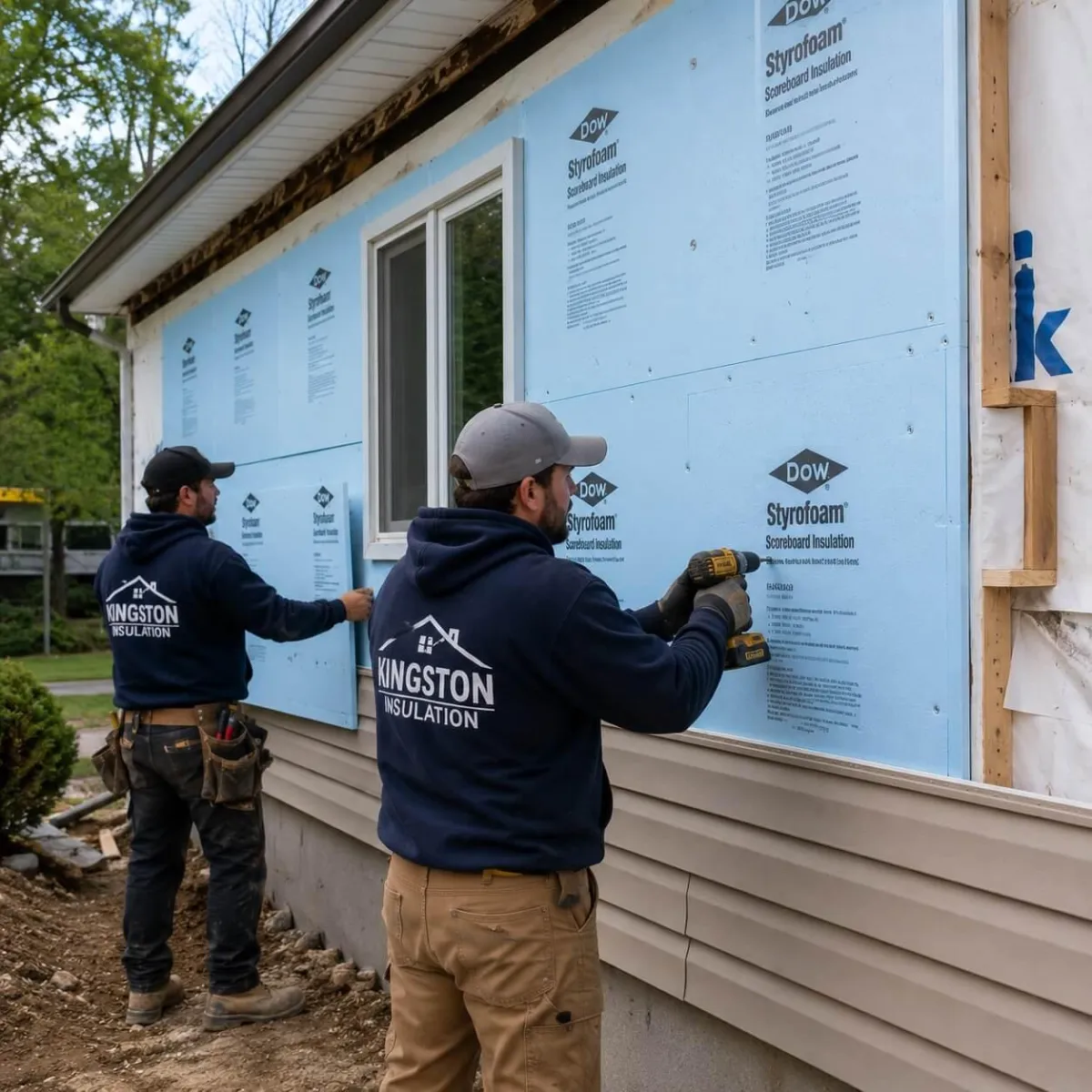
One common use is on exterior walls, especially when siding is being removed or replaced. If a homeowner is already planning a vinyl siding upgrade, exterior refinishing, or wall repair, that can be a good time to consider whether foam board insulation should be added beneath the new exterior finish. This may help improve wall performance without opening up the interior drywall.
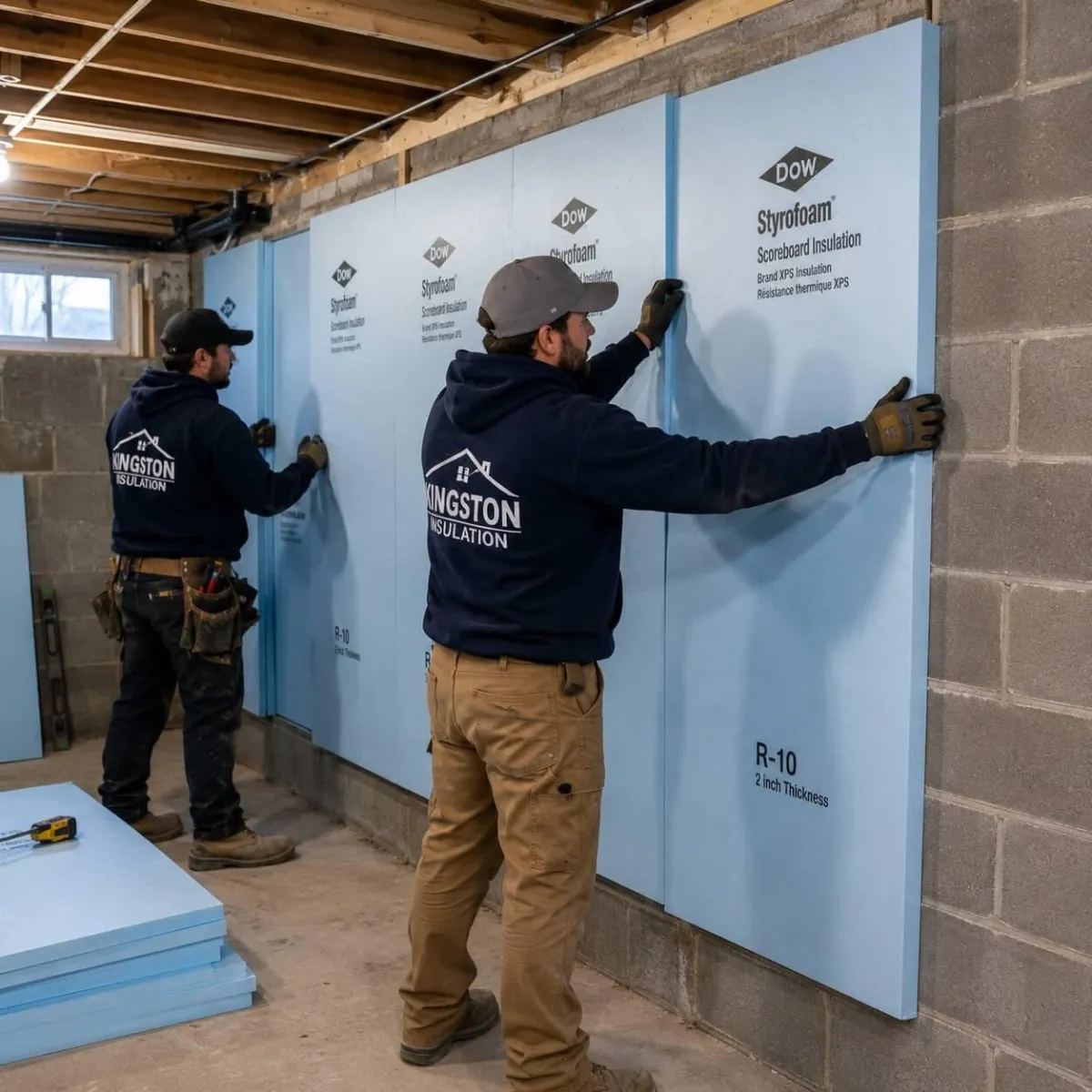
Rigid foam is also used in basement insulation projects. In many older Kingston-area homes, basements were not originally built as warm, finished living spaces. Stone foundations, block foundations, poured concrete walls, and older rim joist areas can all contribute to cold floors and uncomfortable lower levels. Rigid foam can sometimes be used against basement walls as part of a properly designed insulation system.
Crawl spaces are another common area where rigid foam may be considered. A cold or poorly insulated crawl space can affect the rooms above it, especially during January and February when the ground, wind, and outdoor temperatures all seem to gang up on the house. When installed correctly, rigid foam can help separate the conditioned parts of the home from cold surfaces and unheated spaces.
Rigid foam may also be used around rim joists, garage walls, kneewalls, additions, and renovation areas where standard batt insulation is difficult to install effectively. The key phrase is “installed correctly.” Foam board placed in the wrong location, with gaps, poor sealing, or improper moisture detailing, may not deliver the expected result.
When Rigid Foam Makes Sense for Older or Drafty Homes
Many homes in Greater Kingston were built long before today’s energy expectations. Some were built in stages. Some have additions, enclosed porches, finished basements, converted attic spaces, or wall assemblies that reflect several decades of renovation choices. In these homes, comfort problems are often not caused by one single issue. They are usually caused by a combination of insulation gaps, air leakage, thermal bridging, moisture movement, and aging materials.
Rigid foam can make sense when a homeowner is trying to improve insulation without fully gutting the interior. For example, if the exterior siding is already being replaced, adding insulation under siding may be a practical way to improve wall performance from the outside. This can be especially appealing when the interior walls are finished and the homeowner does not want to remove drywall, trim, electrical fixtures, or kitchen cabinets just to reach the wall cavities.
Rigid foam may also make sense in cold basements or crawl spaces where the problem is not just lack of insulation, but also cold surfaces and air leakage. In these areas, comfort can be affected by both conduction and drafts. Conduction is heat moving through solid materials, like concrete or wood. Drafts are moving air carrying heat away. A good insulation plan looks at both.
For drafty homes, foam board can sometimes be part of a larger strategy, but it should not be viewed as a replacement for air sealing. A sheet of rigid foam may slow heat loss, but if cold air is leaking around the edges, through cracks, or at the rim joist, the home may still feel uncomfortable. It is a bit like wearing a warm coat with the zipper open. The coat is doing something, but not enough.
Rigid Foam Under Siding and Exterior Wall Upgrades
One of the most useful times to consider rigid foam insulation is during an exterior renovation. If siding is being removed, the wall assembly is more accessible than it would normally be. That creates an opportunity to improve insulation from the outside.
Rigid foam under siding can provide a continuous layer of exterior wall insulation. This can help reduce heat loss through the framing and sheathing. It may also improve comfort inside the home by making interior wall surfaces feel less cold during winter.
This approach can be especially relevant for older homes around Kingston, Amherstview, Bath, Gananoque, Odessa, Sydenham, and nearby communities where exterior upgrades are often done to extend the life of the home rather than rebuild from scratch. Many homeowners are not looking for a deep energy retrofit. They are replacing worn siding, improving curb appeal, or dealing with exterior maintenance. Adding insulation during that project can be a practical add-on if the wall assembly is suitable.
However, exterior foam board is not just a matter of nailing panels to the wall and hoping for the best. The thickness of the foam, the type of siding, the fastening method, the location of the drainage plane, flashing details, window and door trim, and vapour control all matter. A poorly planned exterior insulation job can create moisture problems or installation headaches.
That is why it is wise to have the wall assembly assessed before choosing this approach. The question is not simply, “Can rigid foam be installed?” The better question is, “Can rigid foam be installed in a way that improves comfort, manages moisture, and works with the existing structure?”
How Rigid Foam Helps Reduce Heat Loss and Thermal Bridging
To understand one of the main benefits of rigid foam, it helps to understand thermal bridging.
In a typical framed wall, insulation is often placed between wood studs. That insulation may perform well in the cavity, but the wood studs themselves still conduct heat. In winter, heat can travel through the studs toward the cold exterior. These studs act like little pathways through the insulation layer.
That is thermal bridging.
Rigid foam can help because it can be installed as a continuous insulation layer across the outside or inside of the framing. Instead of only insulating between the studs, the foam board covers the studs too. This reduces the amount of heat that bypasses the cavity insulation through the framing.
For homeowners, the result may be better wall performance, fewer cold spots, and improved comfort. The home may feel more even from room to room. Interior wall surfaces may be less chilly. Heating equipment may not have to work quite as hard to maintain the same comfort level.
Thermal bridging is not always obvious. You do not usually see it unless there is frost, condensation, thermal imaging, or a comfort complaint. But in older homes, it can be an important part of the heat-loss picture.
Rigid foam is useful because it deals with the wall as a system, not just as a series of empty spaces to fill. That system-based approach is important in Eastern Ontario, where homes deal with cold winters, humid summers, wind-driven rain, and freeze-thaw conditions.
Rigid Foam vs Spray Foam, Fiberglass, and Mineral Wool
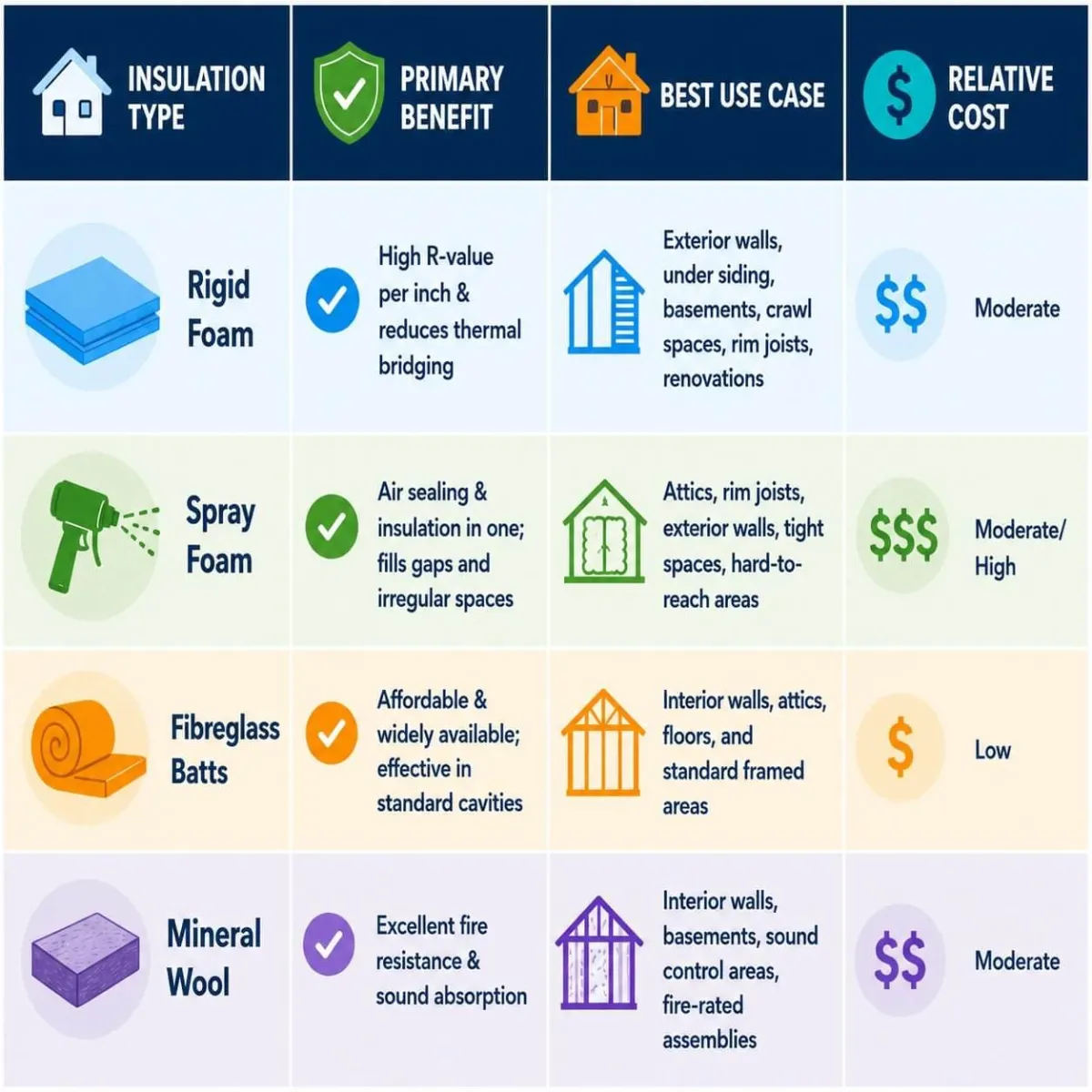
Rigid foam insulation is only one option. It should be compared with other insulation materials based on the location, the goal, and the condition of the home.
Spray foam can provide insulation and air sealing in one application. It can be useful for rim joists, irregular spaces, and areas where gaps are difficult to seal with board materials. However, spray foam is usually installed by trained professionals, and it may not be the preferred choice for every homeowner or every project.
Fiberglass batt insulation is common, affordable, and widely available. It is often used in framed wall cavities, attics, and open stud areas. But fiberglass batts need careful installation. If they are compressed, poorly fitted, or installed around wiring and pipes without attention to detail, their performance can drop. Fiberglass also does not stop air movement by itself.
Mineral wool is denser than fiberglass and can perform well in wall cavities, basement framing, and sound-control applications. It also handles heat well and is often appreciated for its fire-resistant qualities. Like fiberglass, however, it still needs a proper air barrier to perform effectively.
Rigid foam stands apart because of its board form and its ability to provide continuous insulation. It can be especially useful when installed over framing, against foundation walls, or in areas where a firm insulation layer is helpful. Its limitations are also important. It must be cut and fitted carefully. Seams may need to be taped or sealed. Some applications require fire protection. Moisture detailing must be handled properly.
The best choice is not always one material. Many successful insulation upgrades use a combination. A basement, for example, might involve rigid foam, framing, air sealing, and another insulation material. An exterior wall upgrade might involve existing cavity insulation plus exterior foam board. The right answer depends on the house.
Moisture, Air Sealing, and Installation Details That Matter
Insulation is about heat, but in real houses it is also about air and moisture. This is where many problems begin.
Greater Kingston homes experience cold winters, damp spring and fall weather, summer humidity, and frequent freeze-thaw cycles. When warm indoor air leaks into cold wall or attic spaces, moisture can condense. When exterior water is not properly drained or flashed, moisture can become trapped. When insulation is installed without considering vapour control, the wall or basement assembly may not dry properly.
Rigid foam can help manage some of these issues, but only when it is installed as part of a proper system.
Seams between foam boards may need to be taped or sealed. Gaps around edges need attention. Penetrations for wiring, pipes, vents, and fixtures should be considered. In basement applications, the condition of the foundation wall matters. Bulk water problems, cracks, seepage, or drainage issues should be addressed before finishing or insulating the space.
Air sealing is especially important. A rigid foam board may have good insulating value, but air leaks around it can reduce the benefit. In many homes, the most noticeable comfort improvements come from combining insulation with air sealing. This is especially true around rim joists, basement transitions, attic hatches, exterior wall penetrations, and additions.
Fire safety and building code requirements also matter. Some foam insulation products cannot be left exposed in living spaces and may need to be covered with an approved thermal barrier. This is another reason homeowners should be cautious about treating foam board as a casual weekend project in finished or semi-finished spaces.
The details are not glamorous. Nobody brags at a dinner party about beautifully sealed foam board seams. But those details can decide whether the project actually improves comfort or simply hides a problem behind new materials.
When to Ask an Insulation Contractor for an Assessment
Rigid foam insulation may be worth discussing with a contractor if you are planning new siding, renovating a basement, dealing with cold floors, finishing a crawl space, or trying to improve comfort in an older home.
It may also be worth an assessment if certain rooms are consistently colder than others, if exterior walls feel unusually cold in winter, if your basement is uncomfortable even when the rest of the house is warm, or if you are planning a larger home insulation upgrade and want to understand your options before work begins.
A good assessment should look beyond the material itself. The contractor should consider where the heat loss is happening, whether air leakage is part of the problem, how moisture moves through the area, and whether rigid foam is suitable for the specific location. In some cases, foam board insulation may be a strong choice. In other cases, spray foam, blown insulation, batt insulation, mineral wool, or air sealing work may be more appropriate.
For homeowners in Greater Kingston, the best insulation decisions are usually practical ones. Most people are not trying to turn an older home into a laboratory-grade building envelope. They want rooms that feel warmer, floors that are less chilly, basements that are more usable, and heating costs that make a little more sense.
Rigid foam insulation can be part of that solution when it is selected and installed carefully.
If you are considering exterior wall insulation, insulation under siding, basement insulation, or a broader home comfort upgrade, a professional assessment can help you decide whether rigid foam belongs in the plan. The right advice at the beginning can prevent expensive guesswork later — and with insulation, guessing is where the gremlins like to move in.
Is your home losing heat, feeling drafty, or harder to keep comfortable?
Helping Kingston Homeowners
INSULATION SOLUTIONS
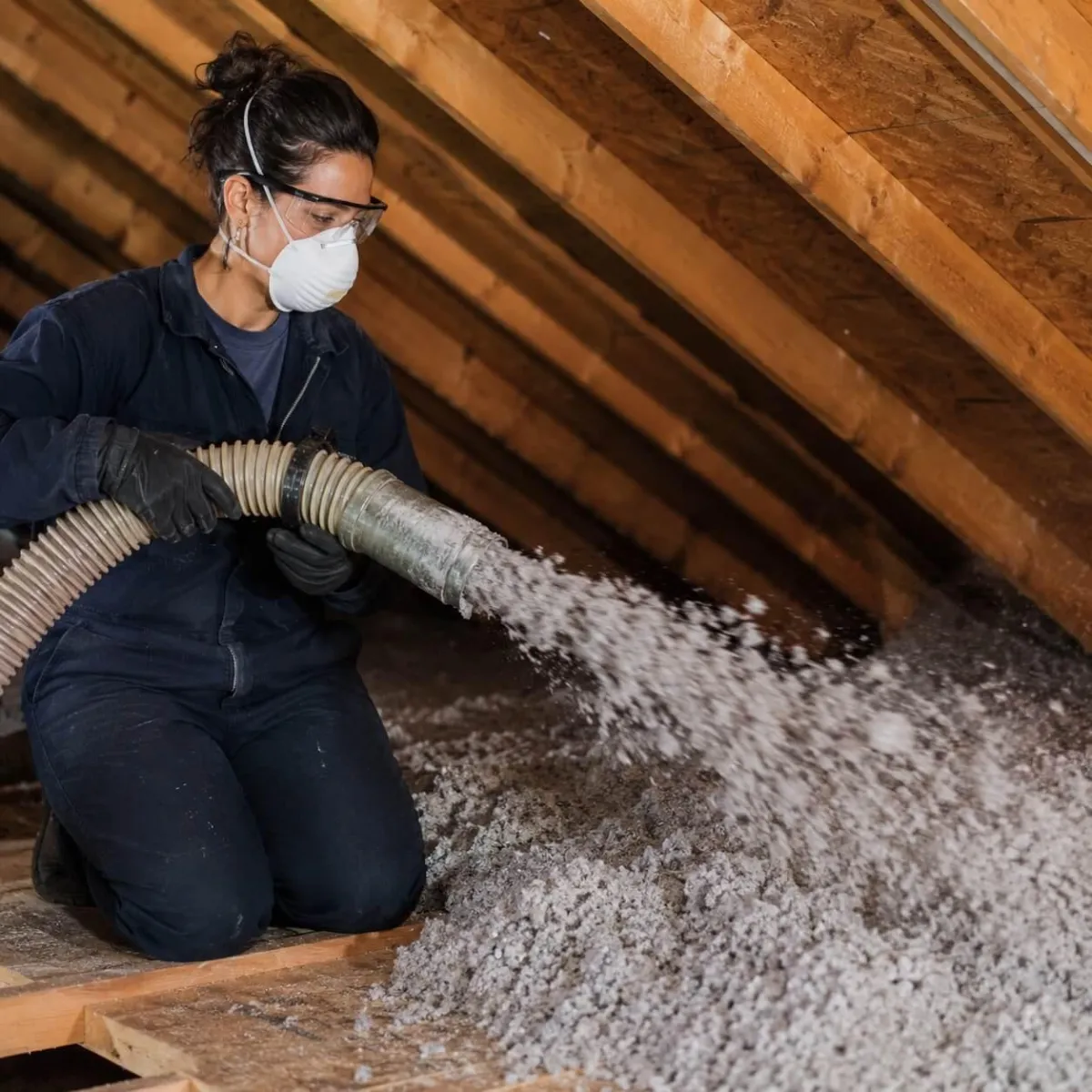
Blown In Cellulose Insulation
Blown In Cellulose Insulation
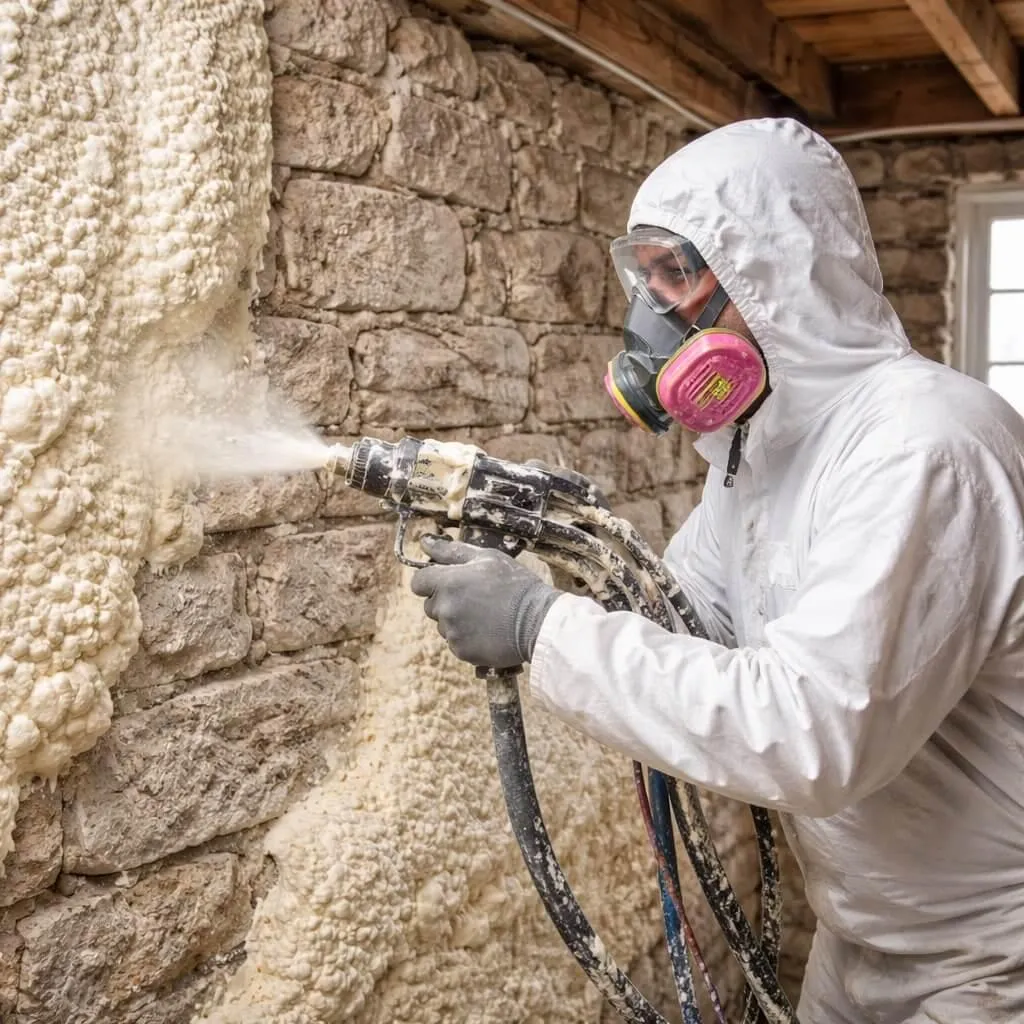
Spray Foam Insulation
Foam Block Insulation

Spray Foam Insulation
Foam Block Insulation
LINKS
This website is operated by Joe Ramsay and Associates Inc. We are not an insulation contractor. We provide information and connect homeowners with independent local service providers. We may receive compensation from service providers for introductions made through this site.