
Blown In Insulation in Greater Kingston
Blown In Insulation in Greater Kingston
A Practical Guide for Greater Kingston Homeowners
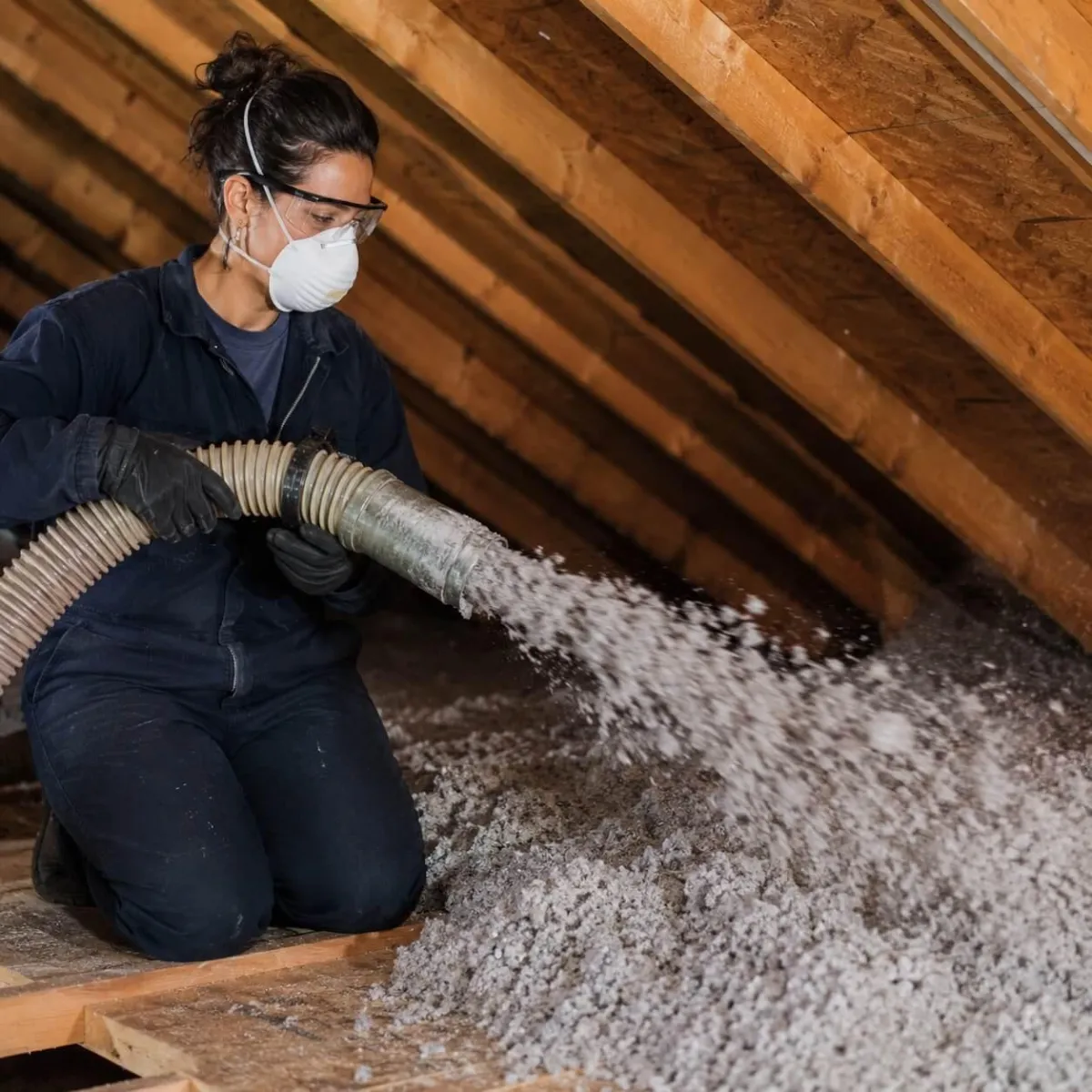
For many homes in Greater Kingston, attic insulation is one of the quiet, hidden parts of the house that can make a surprisingly large difference. You may not think about it when everything is working well, but when upstairs rooms feel cold, heating bills creep higher, or ice begins forming along the roof edge, the attic often deserves a closer look.
One of the most common materials used for attic insulation upgrades is blown cellulose insulation. It is widely used in older homes, newer homes, cottages, additions, and retrofit projects because it can fill open attic spaces quickly and create a thick blanket of thermal protection. For homeowners comparing insulation options, cellulose often comes up alongside fiberglass batts, blown fiberglass, spray foam, and rigid foam.
This guide explains what cellulose insulation is, what it is made of, how it is used for attic top-ups, how its R-value works, how much blown-in insulation may be needed, how it compares with fiberglass, and what homeowners should understand about cost, safety, and environmental benefits.
What Is Cellulose Insulation?
Cellulose insulation is a loose-fill insulation material most often made from recycled paper fibre. The paper is processed into a soft, grey, fluffy material that can be blown into attic spaces, enclosed wall cavities, and some hard-to-reach areas using specialized equipment. When people ask “what is blow in insulation” or “what is blown in insulation,” cellulose is one of the main materials they are usually asking about.
In attic applications, cellulose is installed by blowing the loose material across the attic floor until it reaches the required depth. It surrounds joists, wiring, small gaps, and irregular spaces better than large rigid pieces of insulation can. This makes it especially useful in older homes where framing may not be perfectly even, additions may have been built in stages, and attic spaces can have awkward corners.
Many homeowners also ask, “what is cellulose insulation made of?” The simple answer is that it is commonly made from recycled paper products, usually treated with fire-retardant compounds. These treatments help resist fire, mould, and pests when the material is manufactured and installed properly. The result is a dense, fibre-based insulation product that performs well in many residential attic applications.
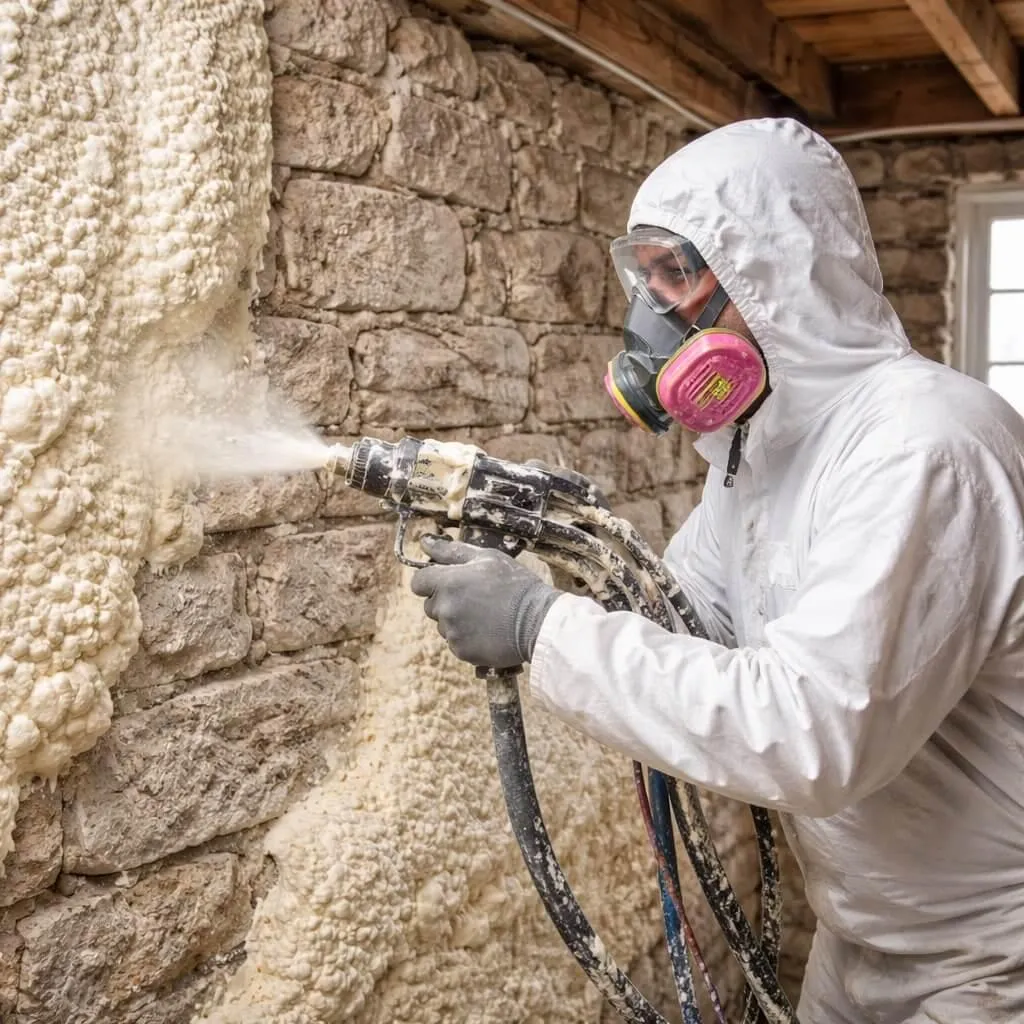
Cellulose should not be confused with spray foam insulation. A keyword like “what is in spray foam insulation” often appears near insulation searches, but spray foam and cellulose are completely different products. Spray foam is a chemical foam that expands and hardens after application. Cellulose is a loose fibre material that is blown into place and remains soft.
What Does Cellulose Insulation Look Like?
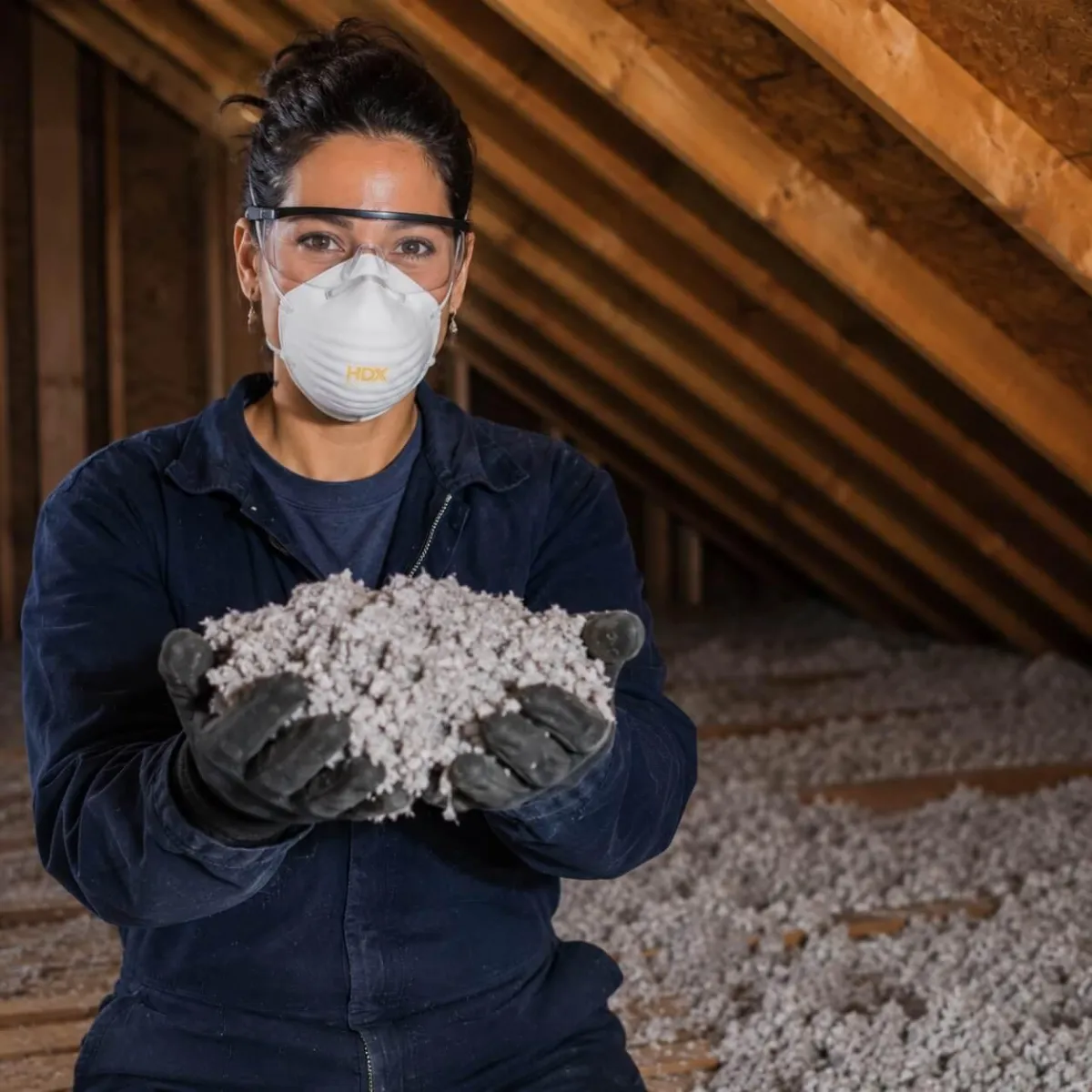
Homeowners who peek into an attic for the first time often ask, “what does cellulose insulation look like?” Blown cellulose usually looks like a thick layer of grey, soft, shredded fibre. It may look a bit like dusty paper fluff, especially when compared with the pink or yellow appearance of many fiberglass products.
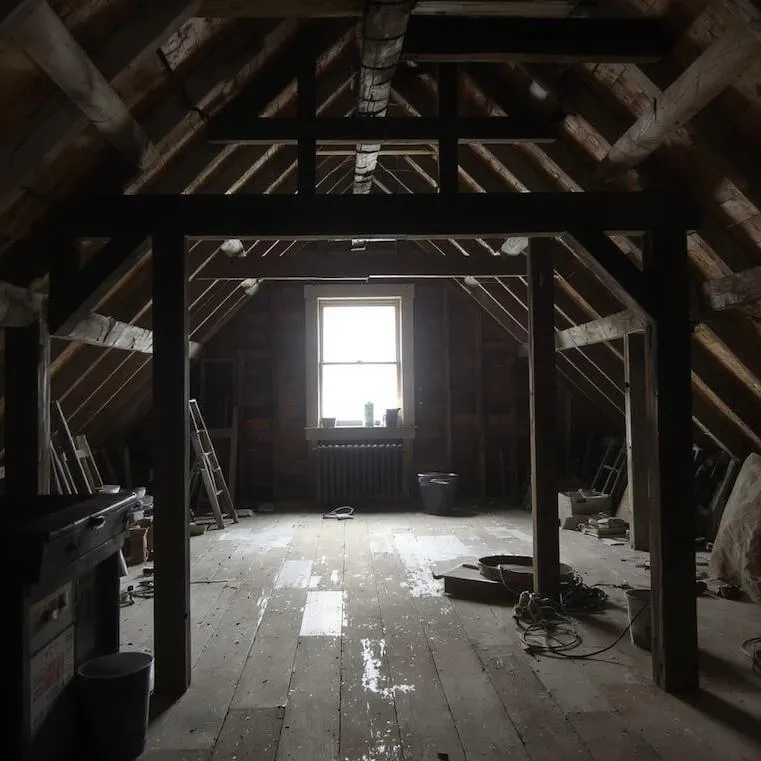
In an attic, cellulose is spread across the attic floor between and above the ceiling joists. If the insulation level is high enough, the joists may be partly or completely buried. A properly insulated attic should look even, consistent, and undisturbed, with no major bare spots, thin patches, or areas where insulation has been pushed aside.
In Greater Kingston homes, it is common to find mixed attic insulation. Some houses may have older fiberglass batts underneath a later cellulose top-up. Others may have older loose-fill material that has settled over time. In century homes, wartime houses, postwar bungalows, and 1970s split-level homes, the attic insulation may tell a little story about every renovation the house has been through. Sometimes that story is tidy. Sometimes it is more of a raccoon-written novel.
Cellulose Insulation for Attic Top-Up
A cellulose insulation attic top-up is one of the most common ways to improve the thermal performance of an existing home. Rather than removing all the old insulation, a contractor may add blown cellulose over the existing material, provided the attic is dry, safe, properly ventilated, and free from contamination.
This approach is often useful in Greater Kingston because many homes were built when insulation standards were lower than they are today. Older houses in Kingston, Amherstview, Odessa, Gananoque, Sydenham, Harrowsmith, and surrounding communities may have attic insulation that was acceptable decades ago but no longer performs well by current expectations.
An attic top-up can help reduce heat loss in winter and heat gain in summer. During Kingston’s cold months, warm indoor air naturally rises. If the attic insulation is too thin, heat escapes into the attic and can warm the roof deck. This may contribute to uneven snow melting, refreezing at the eaves, and ice dam formation. In summer, a better-insulated attic can also help reduce the amount of roof heat pushing down into upstairs living areas.
Before adding cellulose, the attic should be assessed for air leaks, moisture issues, bathroom fan venting problems, roof ventilation, electrical concerns, and signs of pests. Blowing more insulation over a problem does not solve the problem. It only hides it under a nice fluffy blanket.
Cellulose Insulation R-Value and Attic Depth
R-value is the standard way to describe how well insulation resists heat flow. The higher the R-value, the better the material is at slowing heat transfer. In an attic, this matters because warm air naturally rises, and a poorly insulated attic can allow heat to escape into the roof space during cold weather.
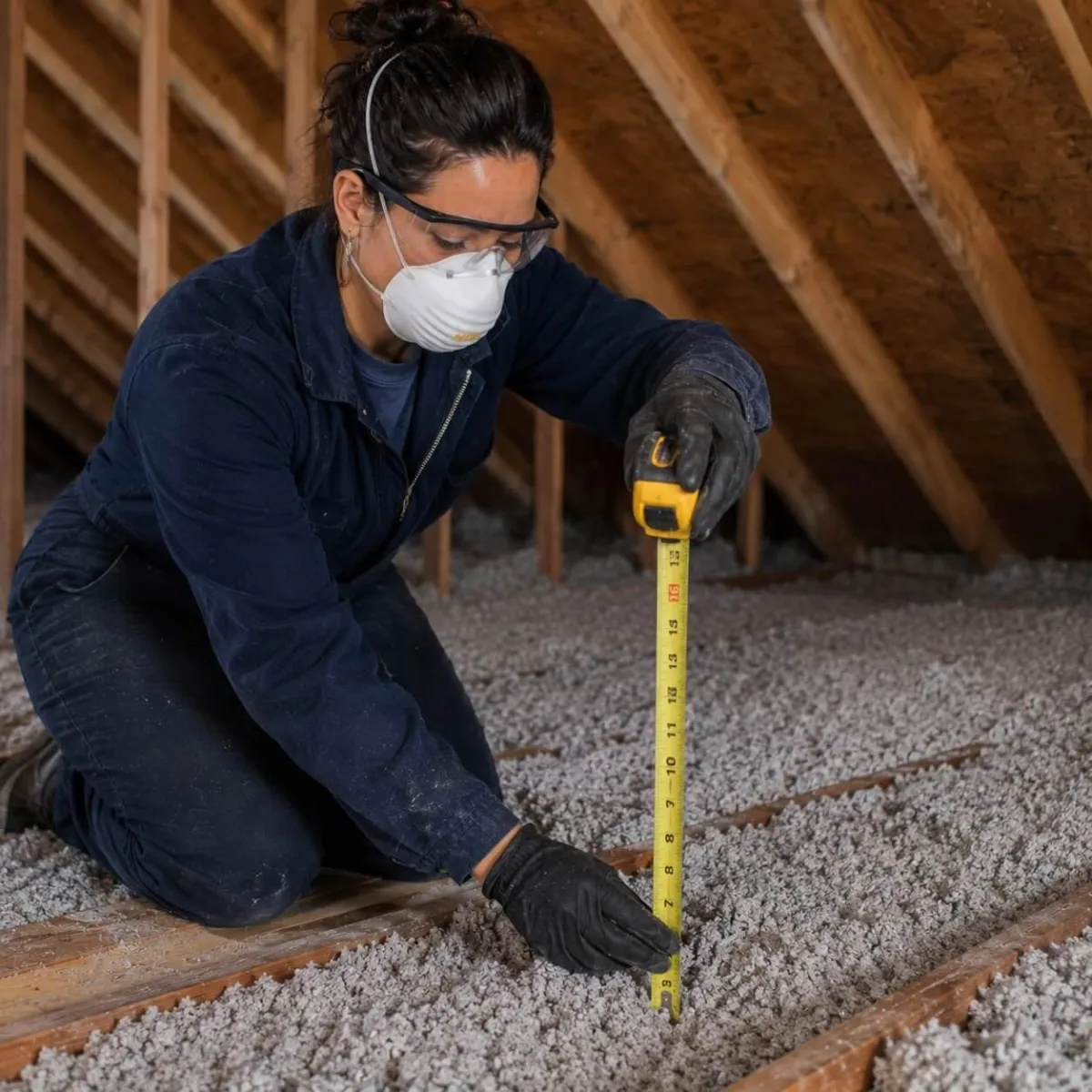
Blown cellulose typically provides about R-3.2 to R-3.8 per inch, depending on the specific product and how densely it is installed. This means the total performance depends on depth. A thin layer of cellulose will not perform like a properly installed attic blanket, even if the material itself has good insulating value.
For attic top-ups, contractors usually start by measuring the existing insulation. If the attic only has a few inches of older material, more cellulose may be needed to bring the space closer to current insulation expectations. The goal is to create an even, consistent layer across the attic floor, not just to add insulation in the easiest areas to reach.
This is especially important in Greater Kingston homes, where winter cold, wind off Lake Ontario, and frequent freeze-thaw cycles can make attic performance more noticeable. A well-insulated attic helps slow heat loss, reduce strain on the heating system, and improve comfort in rooms below the roofline, especially bedrooms and upper-floor spaces that tend to feel colder in January and February.
How Much Blown Cellulose Insulation Does an Attic Need?
The amount of blown cellulose insulation needed depends on several factors: the size of the attic, the depth of the existing insulation, the target R-value, and the specific cellulose product being installed. A contractor will usually begin by measuring the attic space and checking how much insulation is already in place.
If the attic already has some insulation, the project may involve adding enough cellulose to bring the total depth closer to current performance expectations. If the attic has very little insulation, large bare areas, or material that has been disturbed or compressed, more cellulose may be required to create an even thermal layer.
Online calculators can provide a rough estimate based on attic square footage and desired insulation depth. However, they cannot show what is actually happening inside the attic. Existing insulation may be uneven, air leaks may be hidden around plumbing stacks or attic hatches, and older recessed lights, chimneys, or partition walls may require special attention before new material is added.
Ventilation also has to be protected. Baffles near the eaves should remain open so air can move properly through the attic, helping the roof assembly manage moisture. Simply adding more insulation without checking airflow can create problems, especially in homes that already have limited attic ventilation.
In practical terms, the right amount of cellulose is not just about piling in more material. It is about installing the correct depth evenly, sealing air leaks where appropriate, protecting ventilation, and making sure the attic can dry properly. In older Greater Kingston homes, this step-by-step approach is especially important because attics often contain a mix of original construction details, past renovations, and insulation added at different times.
How to Blow Insulation Into an Attic
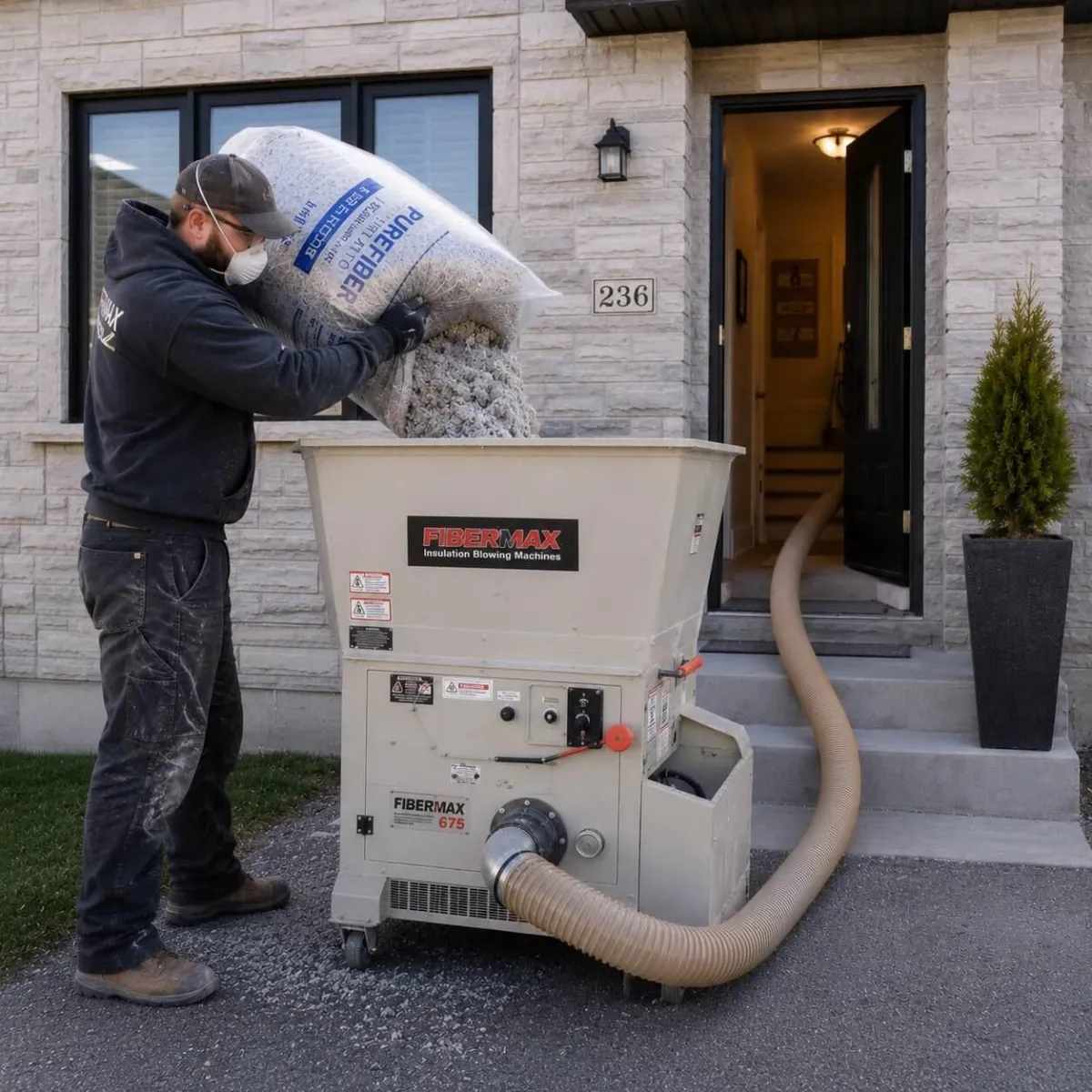
Blown cellulose insulation is installed with a specialized blowing machine. The cellulose is loaded into the machine, where it is loosened and then pushed through a large hose into the attic. On many jobs, one installer feeds the machine while another installer works in the attic, directing the hose and spreading the material across the attic floor.
The goal is to create an even layer of insulation at the planned depth. The installer works carefully around joists, wiring, plumbing vents, roof framing, attic hatches, and other obstructions. Depth markers may be used so the finished insulation level can be checked in different areas of the attic.
Good installation is about more than simply adding material. Ventilation pathways near the eaves must stay open, unsafe electrical areas must be avoided, and recessed fixtures need the correct clearances if they are not rated for direct insulation contact. The attic should also be checked for signs of moisture, past leaks, pests, or blocked vents before the new insulation is added.
Some homeowners consider renting a machine and doing the work themselves, but attic insulation can be awkward, dusty, and surprisingly technical. Attics are cramped spaces where it is easy to step in the wrong place or miss important details. Air sealing, ventilation, and moisture control all affect how well the finished insulation performs.
In many Greater Kingston homes, especially older houses with low roof slopes, additions, or uneven attic spaces, a careful installation can make a noticeable difference. The best result comes from treating the attic as a working part of the home rather than simply filling it with loose material. For Greater Kingston homes, a professional assessment can be especially useful when the house has older wiring, low roof slopes, unusual rooflines, past roof leaks, or signs of ice damming. The material itself is simple. The attic around it is often the complicated part.
Cellulose vs Fiberglass for Attic Insulation
Cellulose and fiberglass are both commonly used for attic insulation, and either material can improve comfort and energy efficiency when installed properly. The better choice depends on the condition of the attic, the existing insulation, the amount of space available, and whether the project is a simple top-up or a more involved retrofit.
Blown cellulose is a loose-fill material with a relatively dense texture. Once installed, it can form a continuous blanket across the attic floor, filling around joists, wiring, plumbing vents, and other small obstructions. This makes it well suited to many older attics, where the framing may be uneven or the space has been changed by past renovations.
Fiberglass is also widely used in attics. It may be installed as loose-fill blown fiberglass or as pre-cut batts. Blown fiberglass can cover open attic areas effectively, while batts can work well in clean, regular framing spaces where each piece can be fitted snugly. The challenge with batts is that attic floors are often interrupted by wires, pipes, framing changes, and tight edges. If batts are compressed, poorly cut, or loosely fitted, gaps can reduce their performance.
For many attic top-up projects, loose-fill insulation has an advantage because it can be spread evenly over the existing insulation layer. Instead of trying to fit separate pieces between irregular framing, the installer can build up a more uniform depth across the attic floor. This can be especially useful in Greater Kingston homes with older rooflines, additions, knee walls, or attic spaces that were not designed with modern insulation levels in mind.
Material choice still matters, but installation quality matters just as much. A carefully installed fiberglass system can perform well, and a poorly installed cellulose job can fall short. The attic should be treated as a whole system, including air sealing, ventilation, moisture control, safe clearances, and even coverage. The goal is not simply to add more insulation, but to help the attic manage heat, airflow, and moisture properly through Kingston’s cold winters and changing shoulder seasons.
Is Blown In Insulation Safe?
Blown cellulose insulation is widely used in residential construction and is designed for building applications when manufactured and installed properly. It is commonly treated with fire-retardant additives and is intended to resist normal risks associated with attic insulation use. Like any insulation material, however, it should be handled with care during installation.
Because cellulose is a loose-fill material, installation can create dust while the insulation is being blown into the attic. Professional installers typically use protective equipment such as gloves, eye protection, and respirators. Homeowners are usually best to stay out of the work area until the installation is finished and the dust has settled.
A proper attic inspection is also important before new insulation is added. The installer should check for safe clearances around heat-producing fixtures, confirm that ventilation pathways are not blocked, and look for signs of moisture, pests, or damaged existing insulation.
Modern cellulose insulation does not normally contain asbestos. It is typically made from recycled paper fibre, not mineral fibre. However, older homes may contain unknown materials such as old loose-fill insulation, vermiculite, construction debris, or other products that should not be disturbed without proper assessment.
This matters in many older Greater Kingston homes, where attic spaces may have been changed several times over the years. Before adding blown cellulose insulation, it is sensible to have the attic checked carefully so that older materials, ventilation issues, or moisture concerns are identified before they are covered.
Blown In Cellulose Insulation Cost
Cost is usually one of the first questions homeowners have when considering blown cellulose insulation. The final price depends on the size of the attic, the amount of existing insulation, the target R-value, how easy the attic is to access, and whether air sealing or old insulation removal is needed before the new material is added.
An attic with easy access, no moisture problems, and a straightforward top-up will usually be less expensive than an attic with tight working space, ventilation issues, pest contamination, or older materials that need special handling. Costs can also vary depending on fuel prices, labour availability, material pricing, and regional market conditions.
It is helpful to think of the project in two parts: the insulation material and the attic preparation. The visible result may be a new layer of cellulose, but much of the value comes from the assessment, air sealing, ventilation protection, and even coverage. Paying only for “more fluff” without dealing with attic defects can be a false economy.
For Greater Kingston homeowners, the return is often felt through better comfort first. Bedrooms may feel less chilly, heating cycles may become more stable, and the home may feel less uneven from room to room. Energy savings can matter too, but comfort is usually what people notice when they are drinking coffee in January and not wearing a parka indoors.
Eco Friendly Blown Cellulose Insulation
Eco friendly blown cellulose insulation is appealing because cellulose is commonly made from recycled paper content. For homeowners who care about reducing waste and improving energy efficiency, this gives cellulose a strong environmental story.
The environmental benefit is not just in the material itself. Better attic insulation can reduce heating and cooling demand, which can lower the energy required to keep the home comfortable. In a climate like Kingston’s, where homes may rely on natural gas, electricity, propane, heat pumps, or a combination of systems, reducing heat loss can have practical and environmental value.
Cellulose also performs well in retrofit work because it can often be added without opening finished ceilings or removing large areas of drywall. That makes it useful for older homes where homeowners want better performance without turning the house into a full construction zone.
As with any building product, the environmental value depends on proper use. Cellulose should be installed at the correct density and depth, kept dry, and used as part of a sound attic system. Good materials still need good workmanship.
Is Blown Cellulose Insulation Right for Your Home?
Blown cellulose insulation can be a strong option for attic top-ups, older home retrofits, and situations where a continuous layer of insulation is needed over an uneven attic floor. It is especially relevant in Greater Kingston homes where older construction, winter heat loss, freeze-thaw cycles, and attic air leakage can all affect comfort.
It may be worth considering if upstairs rooms are difficult to heat, snow melts unevenly on the roof, heating bills seem higher than expected, or the attic insulation looks thin, patchy, or disturbed. It may also be useful when comparing blown cellulose insulation vs fiberglass, especially where the attic has many irregular spaces.
The best next step is usually an attic assessment rather than guessing from below. A qualified local insulation provider can look at the existing insulation, measure approximate depth, check for moisture or ventilation concerns, and explain whether cellulose, fiberglass, spray foam, or another approach makes the most sense.
For homeowners in Kingston and nearby communities, cellulose insulation is not a magic material. It is more like a very practical winter coat for the top of the house. When it fits properly, stays dry, and covers the right areas, the whole home can feel more comfortable.
Is your home losing heat, feeling drafty, or harder to keep comfortable?
Helping Kingston Homeowners
INSULATION SOLUTIONS
Blown In Cellulose Insulation
Blown In Cellulose Insulation
Spray Foam Insulation
Foam Block Insulation
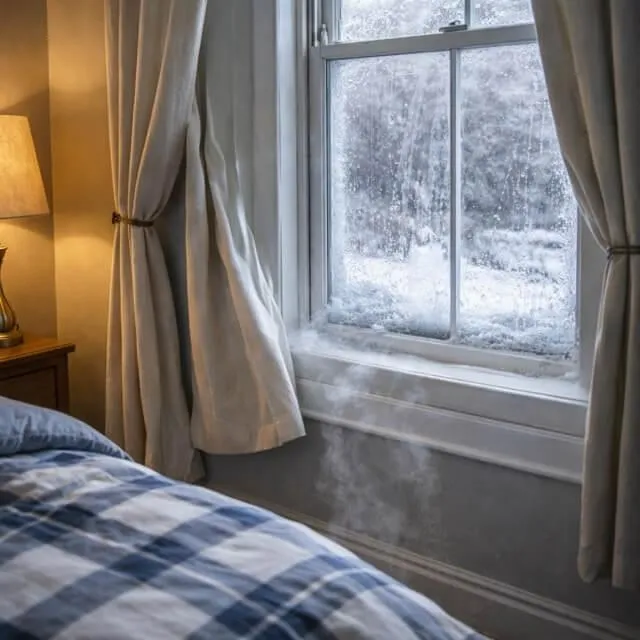
Spray Foam Insulation
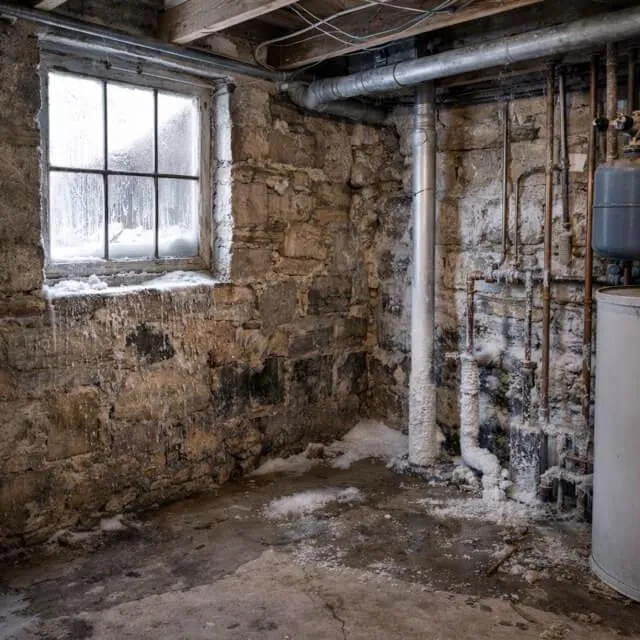
Foam Block Insulation
LINKS
This website is operated by Joe Ramsay and Associates Inc. We are not an insulation contractor. We provide information and connect homeowners with independent local service providers. We may receive compensation from service providers for introductions made through this site.