Summer Humidity, Air Sealing, and Insulation in Older Kingston Homes
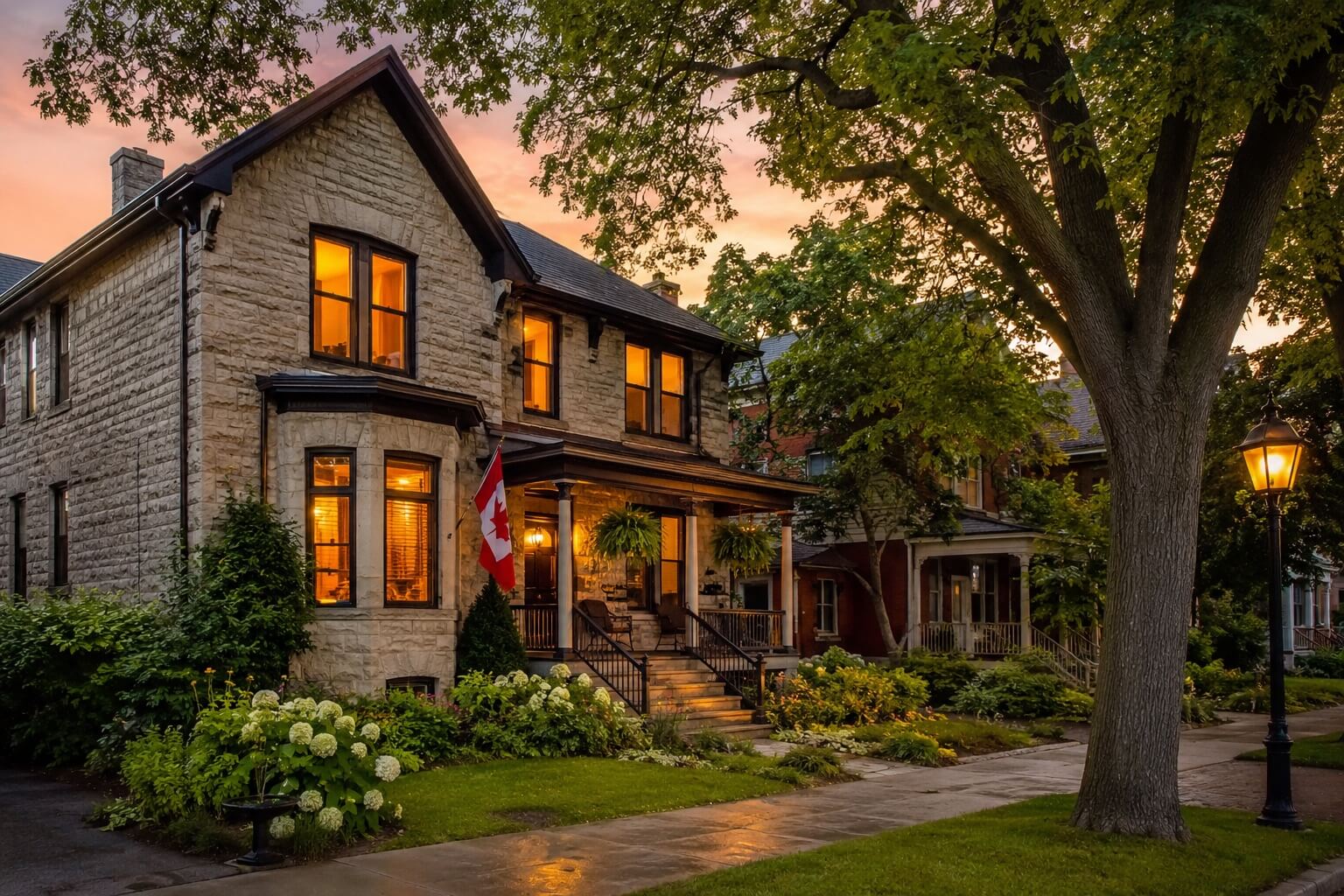
On a hot, humid Kingston evening, an older home can feel a bit like it is holding its breath. The air conditioner may be running, the thermostat may look reasonable, but the upstairs bedrooms still feel sticky. The basement may smell musty. A back addition may feel warmer than the rest of the house. Some rooms may feel cool enough, but not exactly comfortable.
This is where many homeowners start to wonder whether the problem is the air conditioner, the insulation, the basement, the windows, or something hidden inside the walls.
In many older Kingston homes, the answer is often a combination of things. Summer comfort is not just about cold air. It is about heat, humidity, air movement, and how well the house keeps outdoor air where it belongs. Insulation matters in summer, but it works best when air sealing and moisture control are part of the same conversation.
How to Recognize Summer Humidity Problems
Summer humidity problems do not always show up as one obvious failure. More often, they appear as a collection of small comfort complaints that keep coming back every July and August.
You may notice that certain rooms feel sticky even when the air conditioner is running. The upstairs bedrooms may be hard to sleep in at night, especially after a sunny day. A finished attic room or room with a sloped ceiling may feel warmer than the rest of the house. The basement may feel damp, or it may have that familiar musty smell that gets stronger in humid weather. There may even be evidence of mould and mildew growing along baseboards or on basement walls.
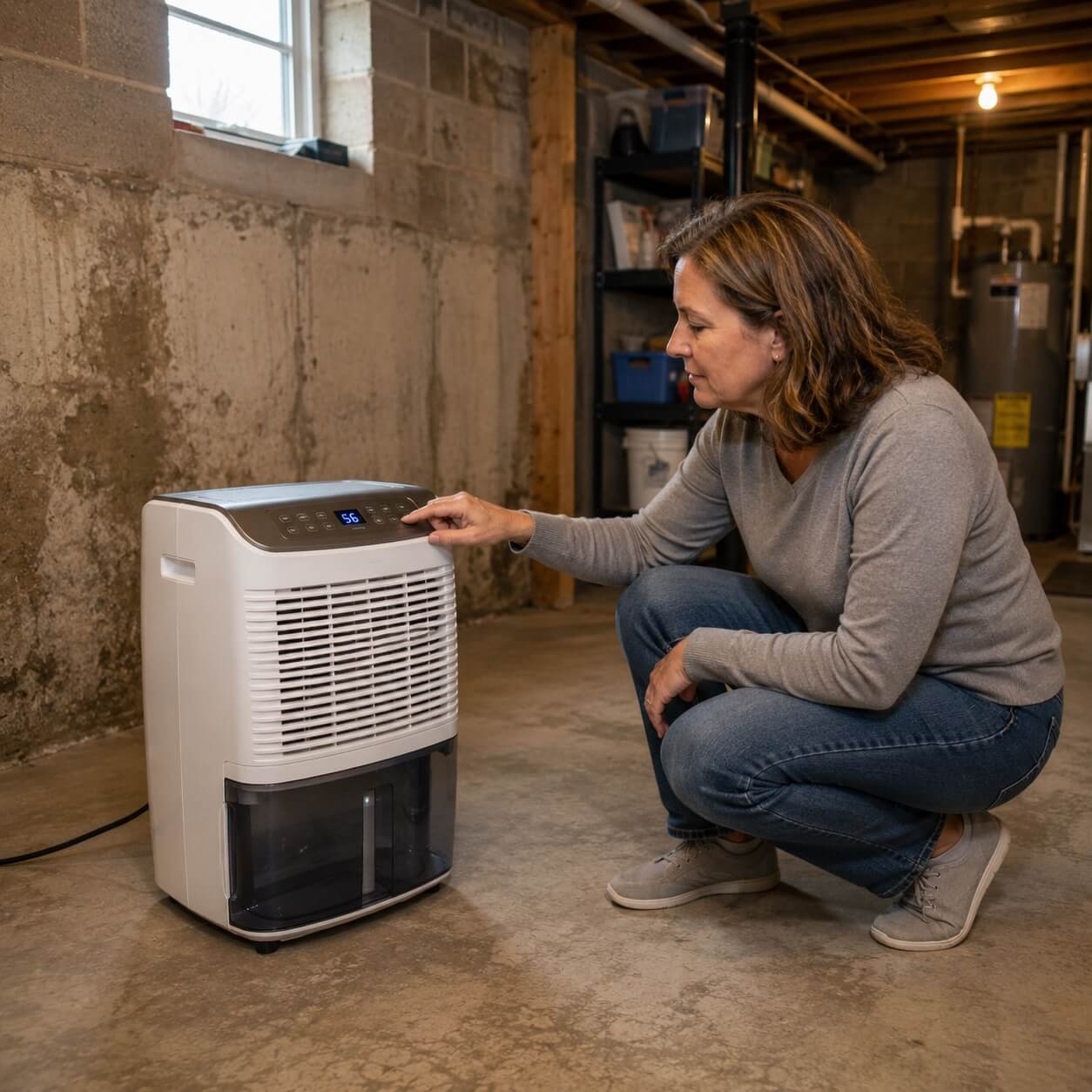
Some homeowners also notice that their dehumidifier fills quickly, especially in the basement. Others find that closets, corners, or rooms with poor airflow feel stale. In some cases, the house feels cool but clammy, which is different from true comfort. The temperature may be acceptable, but the air still feels heavy.
These symptoms can come from several sources. Air leaks may be allowing humid outdoor air into the home. Insulation may be thin, uneven, or poorly fitted. Basement moisture may be contributing to the problem. Attic heat may be pushing into the living space. Cooling equipment may also be part of the issue, but it is not always the whole story.
How Humid Air Gets Into Older Kingston Homes
Older homes tend to have more leakage paths than newer homes. That does not mean they are poorly built. It means they were built in a different era, with different materials, different expectations, and different ideas about comfort and energy use.
Air can move through small cracks, gaps, joints, and openings. It can enter around rim joists, sill plates, plumbing penetrations, wiring holes, attic hatches, chimneys, knee walls, crawl spaces, old window frames, and basement penetrations. One tiny gap is rarely the whole problem. The trouble usually comes from many little gaps working together.
A good way to picture it is to imagine a wool sweater on a windy day. The sweater helps, but air can still move through it. Add a windbreaker over top, and suddenly it performs much better. In a house, insulation is like the sweater. Air sealing is like the windbreaker.
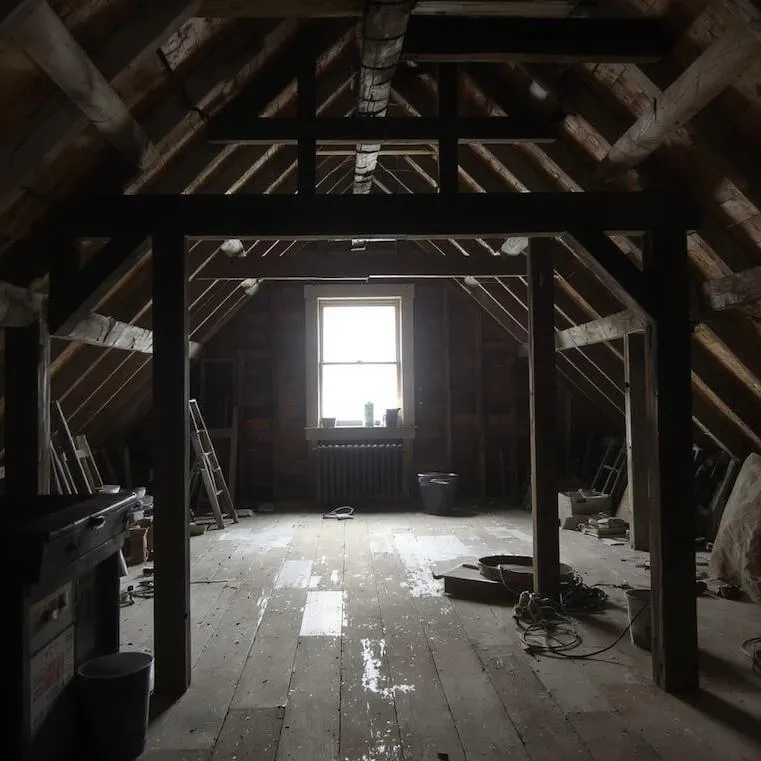
In Kingston and the surrounding area, older homes often have layered construction histories. A downtown home may have a stone or limestone foundation, an older attic, a back addition, and several rounds of renovations. A rural home may have a crawl space or a partial basement. A post-war home may have modest original insulation and later upgrades that did not fully address air leakage.
Humid air does not need a dramatic opening to cause problems. It can slip in quietly through hidden pathways and make the house feel less comfortable, even when the cooling system is doing its best.
The Role of Insulation in Reducing Humidity
Many people think of insulation as a winter issue. That makes sense, especially in Kingston, where heat loss, cold floors, and ice dams are common concerns in older homes. But insulation also matters in summer.
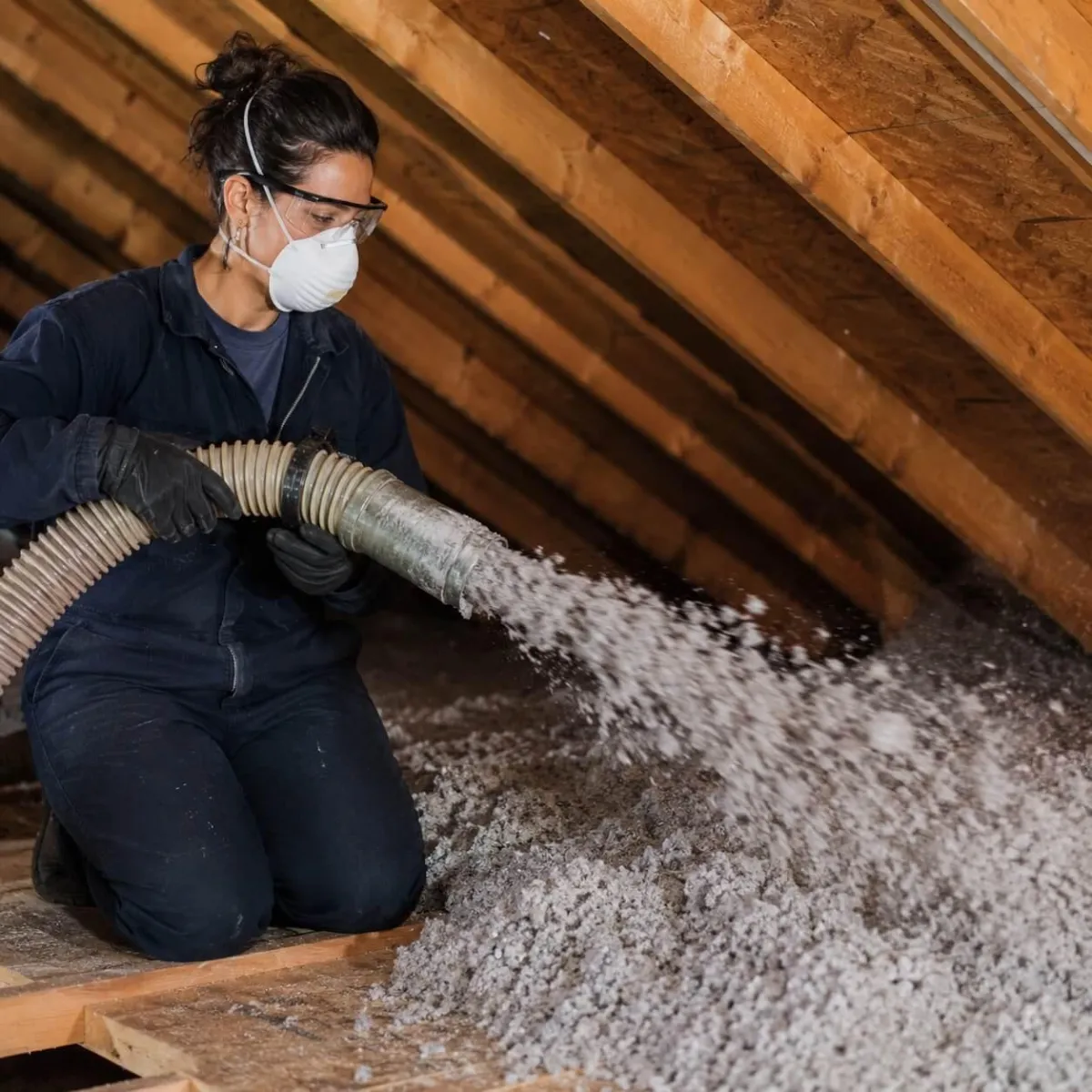
In warm weather, insulation helps slow down the movement of heat into the living space. This is especially important in attics. A roof can get very hot under the summer sun, and that heat can radiate down into upstairs rooms if the attic insulation is too thin, uneven, compressed, or poorly installed.
This is one reason second floors and upper bedrooms often feel uncomfortable. Even if the air conditioner is working, the rooms may be absorbing heat from above faster than the system can comfortably remove it. The result can be warm ceilings, sticky bedrooms, and cooling that feels uneven from one part of the house to another.
Insulation can also help in walls, cathedral ceilings, knee wall spaces, basement areas, and crawl spaces. But the details matter. Gaps in insulation, missing coverage, poorly sealed cavities, and unsealed air paths can reduce performance.
This is where homeowners can get tripped up. Adding more insulation may help, but if humid air is moving around or through the insulation, the home may still feel uncomfortable. Insulation slows heat transfer. Air sealing helps control the movement of air and moisture. In many older homes, both need to be considered.
Why Air Sealing Often Matters Before Adding More Insulation
Air sealing is not as visible as a fresh layer of attic insulation, so it is easy to overlook. But it is often one of the most important parts of improving comfort.
If a home has air leaks, conditioned indoor air can escape and humid outdoor air can enter. In winter, this can show up as drafts, cold floors, and heat loss. In summer, it can show up as sticky rooms, basement dampness, and air conditioning that seems to work harder than it should.
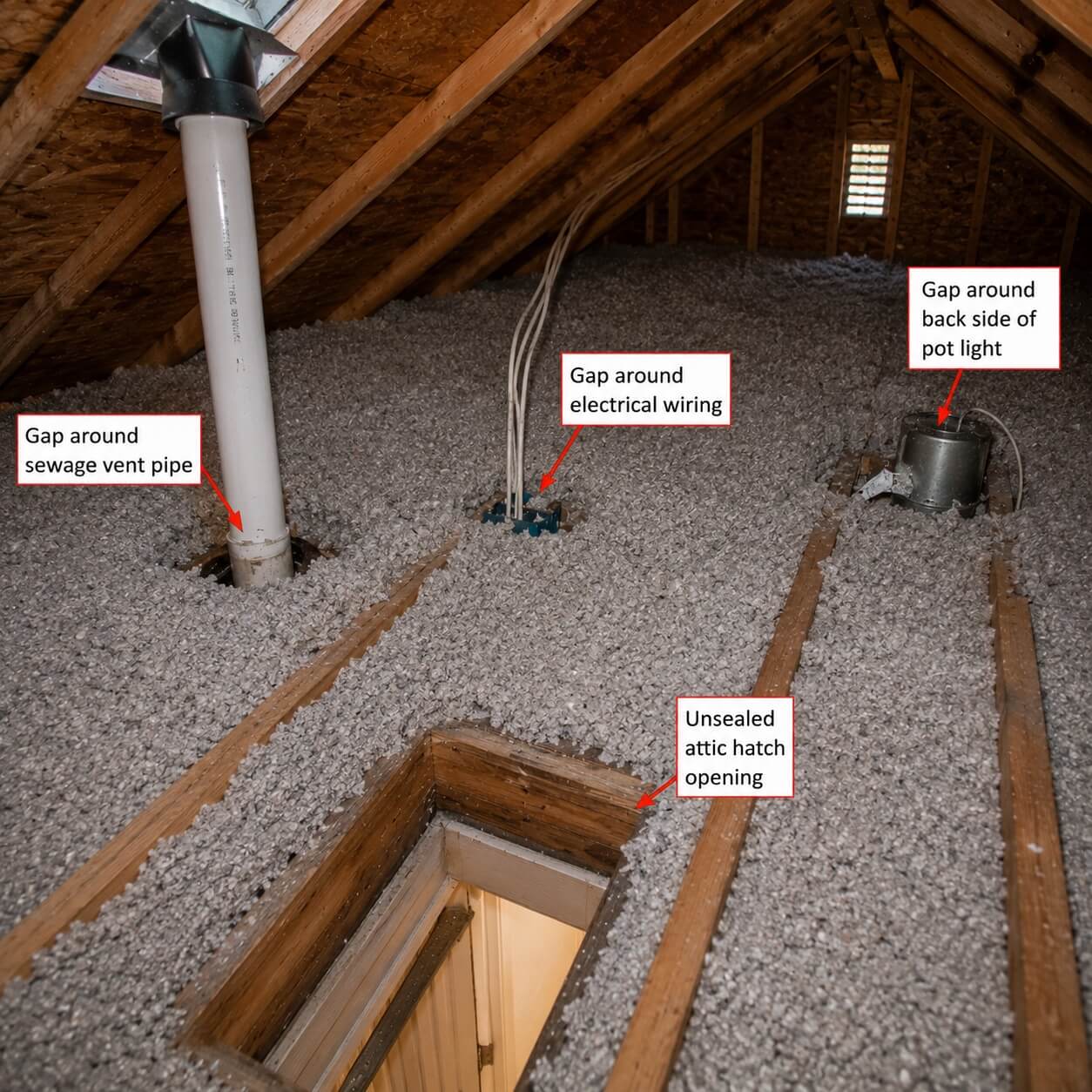
Common leakage points include attic hatches, gaps around plumbing stacks, wiring holes, pot lights, chimney chases, kneewall areas, and open wall cavities. In basements, rim joists and sill plates are frequent trouble spots. These areas are often hidden, but they can act like little highways for air movement.
Adding insulation over unsealed gaps can improve thermal resistance, but it may not stop air movement. In some cases, insulation can even hide the problem, making it harder to see where air is moving.
This is why air sealing is often best treated as a foundation step. The goal is not to make an older house unnaturally airtight without thought for ventilation. The goal is to reduce uncontrolled leakage so the home behaves more predictably.
A house should not be a mystery box. When air leaks are reduced and insulation is properly installed, it becomes easier to manage comfort, humidity, heating, and cooling.
Basements, Crawl Spaces, and the Summer Dampness Problems
Basements are a major part of the summer humidity story in many Kingston homes.
A basement is usually cooler than the outdoor air in summer. When warm, humid outdoor air leaks into that cooler space, the moisture in the air condenses and the air can become damp and heavy. Moisture may collect on cooler surfaces, or the whole area may simply feel clammy. This can happen even when there is no obvious water leak.
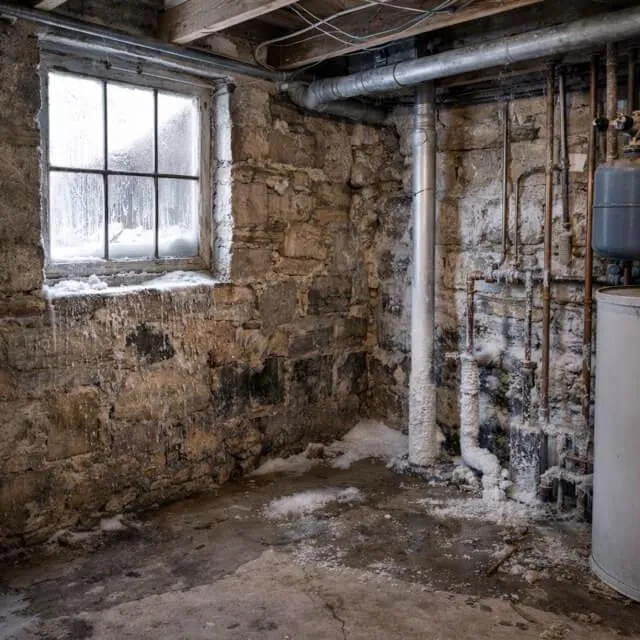
Older Kingston homes may have stone foundations, limestone walls, older concrete block, rubble foundations, or additions with different foundation styles. Rural properties may have crawl spaces or partial basements. These areas can be more vulnerable to air leakage and moisture movement, especially if they have unsealed penetrations, gaps at the rim joist, old vents, or unfinished areas.
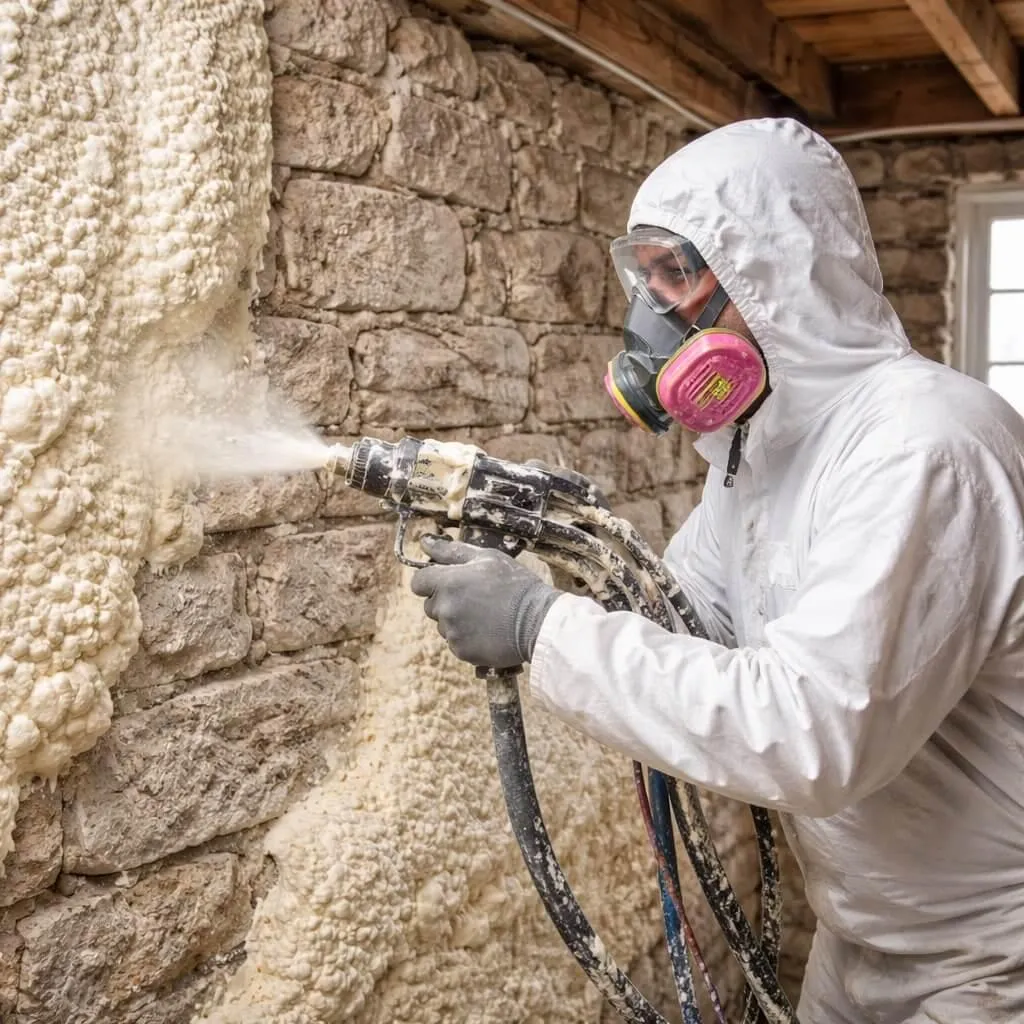
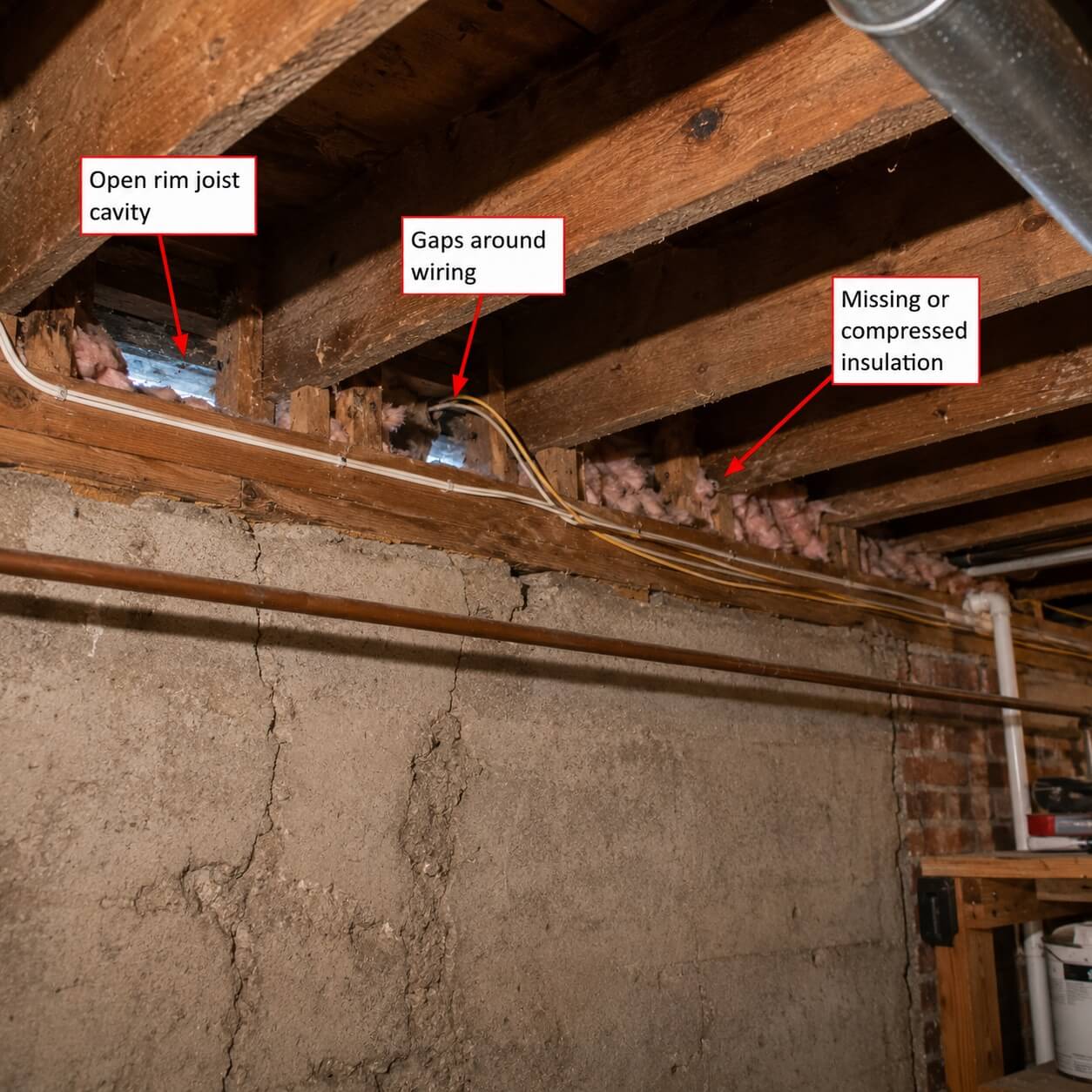
The rim joist area deserves special attention. This is where the house framing meets the foundation. In many homes, it is a common location for air leakage, heat loss, and moisture problems. Sealing and insulating this area can sometimes make a noticeable difference, but it should be done with suitable materials and an understanding of moisture conditions.
Basement insulation also needs care. If insulation is added in a damp area without addressing moisture first, it can create new problems. The right approach depends on the foundation type, drainage, air leakage, humidity levels, and how the space is used.
Common Fixes and Practical Next Steps
The right fix depends on where the heat and humidity are coming from. A sticky upstairs bedroom may seem like an air conditioning problem, but the real issue might be attic heat. A damp main floor may be connected to a basement or crawl space. A hot addition may have insulation gaps or air leakage where old and new construction meet.
A practical starting point is to look for patterns. Which rooms feel worst? Is the problem worse after sunny days? Does the basement smell musty only in summer? Does the dehumidifier fill constantly? Is the attic insulation uneven? Are there obvious gaps around the attic hatch, pipes, or wiring?
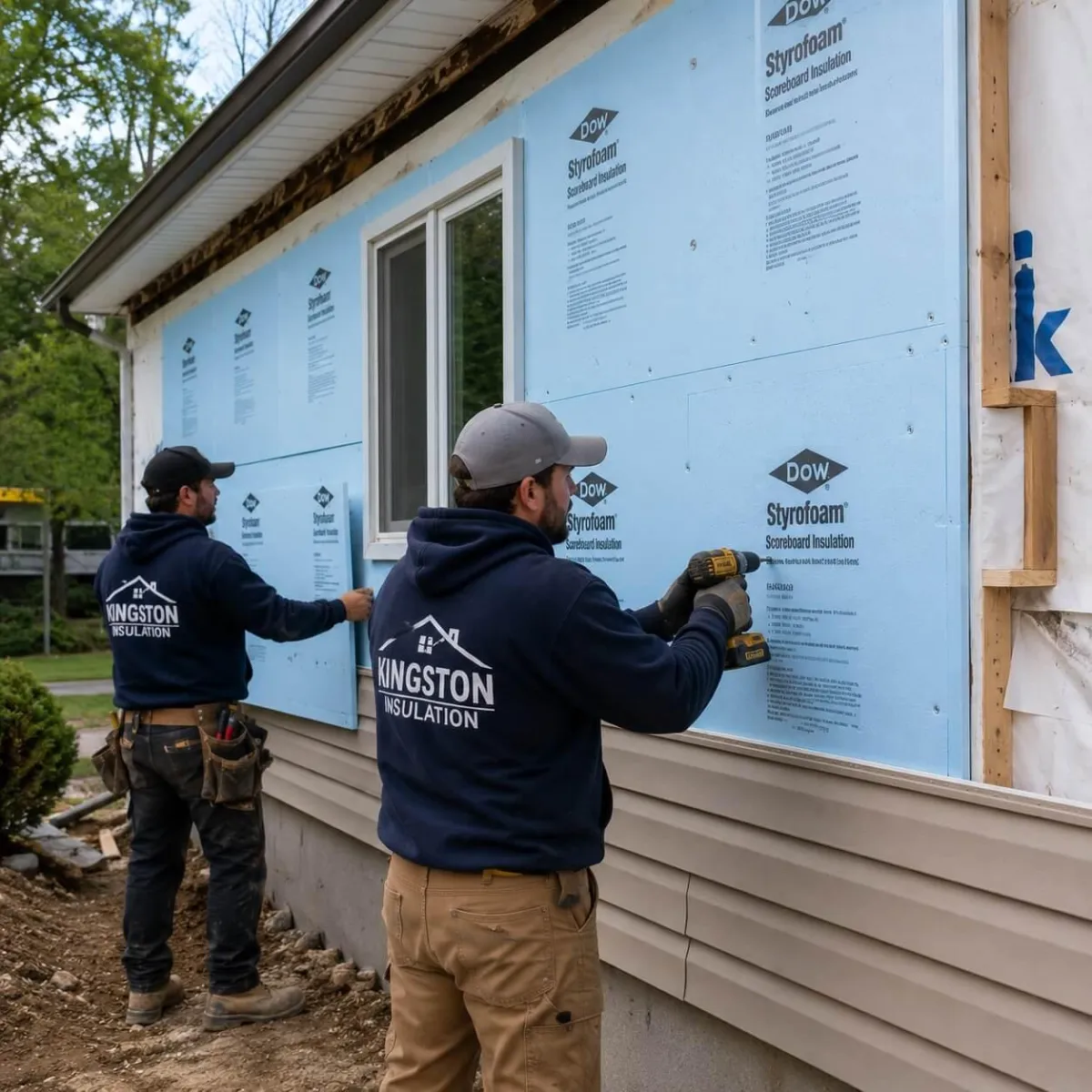
Common improvements may include air sealing key leakage areas, topping up attic insulation, sealing and insulating rim joists, improving attic hatch seals, addressing crawl space air leakage, checking bathroom and kitchen exhaust fans, and managing basement humidity with a properly sized dehumidifier.
In some homes, attic ventilation may also need to be reviewed. Ventilation does not replace insulation or air sealing, but it can be part of the overall attic performance picture. Cooling equipment should also be considered. An air conditioner that is not working properly, is poorly sized, or is not removing enough moisture can contribute to poor comfort.
The important point is not to guess from one symptom. Older homes often need a whole-house view. The uncomfortable room is where you feel the problem, but it may not be where the problem starts.
Humidity Problems in Older Kingston Homes
Kingston’s housing stock creates some specific comfort challenges. The area has a mix of older downtown homes, post-war houses, rural properties, lakeside homes, and newer subdivisions. Many older homes have been renovated in stages, which can leave behind uneven insulation, hidden air leaks, and awkward transitions between original construction and later additions.
Local weather also plays a role. Kingston summers can bring heavy humidity from Lake Ontario and the St. Lawrence corridor. A house that performs reasonably well on a dry day may feel very different during a humid stretch. Once that damp air gets inside, the air conditioner and dehumidifier have to work harder to bring the home back to a comfortable range.
The freeze-thaw cycle can also contribute over time. Small cracks, gaps, and settlement points may develop around foundations, masonry, and older building assemblies. These do not always look serious from the outside, but they can create pathways for air and moisture.
In limestone homes, older basements, crawl spaces, and houses with partial foundations, the details matter. A solution that works well in a newer subdivision home may not be the right approach for a century home near downtown Kingston or an older rural property outside the city.
That is why local context matters. The problem is not simply “old house equals bad insulation.” It is more specific than that. Older Kingston homes often have complex building histories, and comfort problems usually come from the way those pieces fit together.
When to Get Professional Advice
Homeowners can do some useful early detective work on their own. Make note of which rooms feel humid, when the problem is worst, whether the basement is involved, how often the dehumidifier fills, and whether the upstairs feels worse after hot sunny days. These observations can help narrow down the likely causes.
Professional advice makes sense when the same comfort problems return every summer, when there are musty smells, when the basement or crawl space feels damp, when attic insulation appears uneven or disturbed, or when there are signs of condensation, staining, or mould.
It is also wise to get advice before finishing a basement, insulating a crawl space, adding major attic insulation, or using spray foam in moisture-sensitive areas. These projects can be very helpful when done properly, but they should be matched to the house.
If this sounds like what is happening in your home, the next step is usually a practical assessment rather than guessing from surface symptoms. Get a free consultation.
The Practical Takeaway
Summer humidity problems in older Kingston homes are often connected to air movement, attic heat, basement dampness, and insulation gaps. The air conditioner may be part of the story, but it is rarely the only thing to look at.
Good insulation helps slow heat transfer. Air sealing helps control unwanted air movement. Moisture management helps keep basements, crawl spaces, and living areas healthier and more comfortable. When these pieces work together, an older home can feel much better through the humid summer months.
If your home feels sticky, damp, or uneven through the summer, Get a free consultation and find out where the problem is likely starting.