Cellulose Insulation in Greater Kingston: A Practical Guide for Homeowners
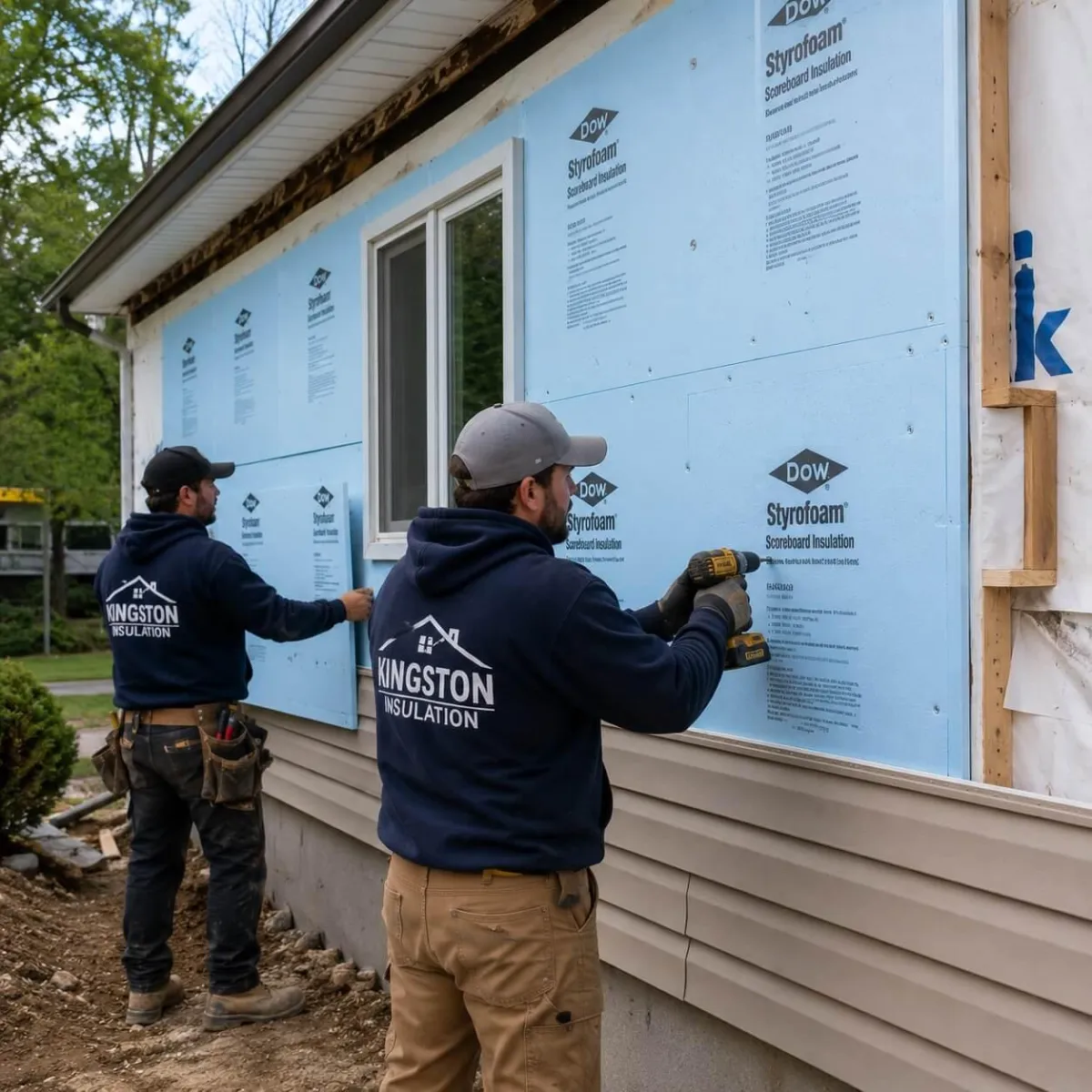
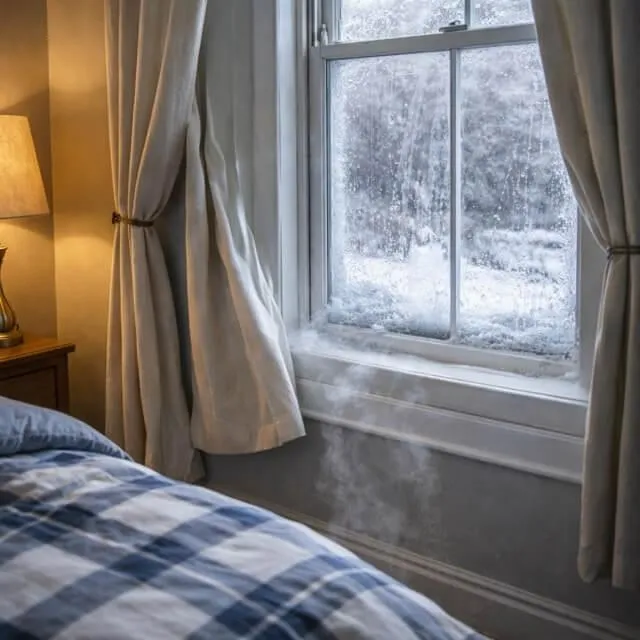
Cellulose Insulation has become a popular choice for homeowners across Greater Kingston, Ontario, especially in older homes facing drafty winters and rising energy costs. This guide explains what cellulose is made from, how it is used, best practices for installation, when it should be topped up, and why it is particularly well suited to Kingston’s climate, housing stock, and common problem areas such as basements and crawl spaces.
WHAT CELLULOSE INSULATION IS MADE FROM
At its core, Cellulose Insulation is a fiber-based product made primarily from recycled paper, most commonly newsprint. The paper is processed into a fluffy, dense material and treated with non-corrosive additives such as borate-based fire retardants. These treatments serve three important purposes:
Fire resistance: The additives help cellulose char rather than ignite, improving safety compared with untreated paper.
Mold and pest resistance: Properly treated cellulose discourages mold growth and is unattractive to most insects and rodents when kept dry and correctly installed.
Durability: The treatment helps the fibers remain stable over time, so the material continues to perform when correctly installed at the right density.
Because it uses recycled content, cellulose is often considered one of the more environmentally responsible Home Insulation Tips for homeowners who want both performance and sustainability. For Kingston residents, where heating loads are significant for several months of the year, the energy savings can quickly outweigh the embodied energy of the material itself.
HOW CELLULOSE INSULATION IS USED IN HOMES
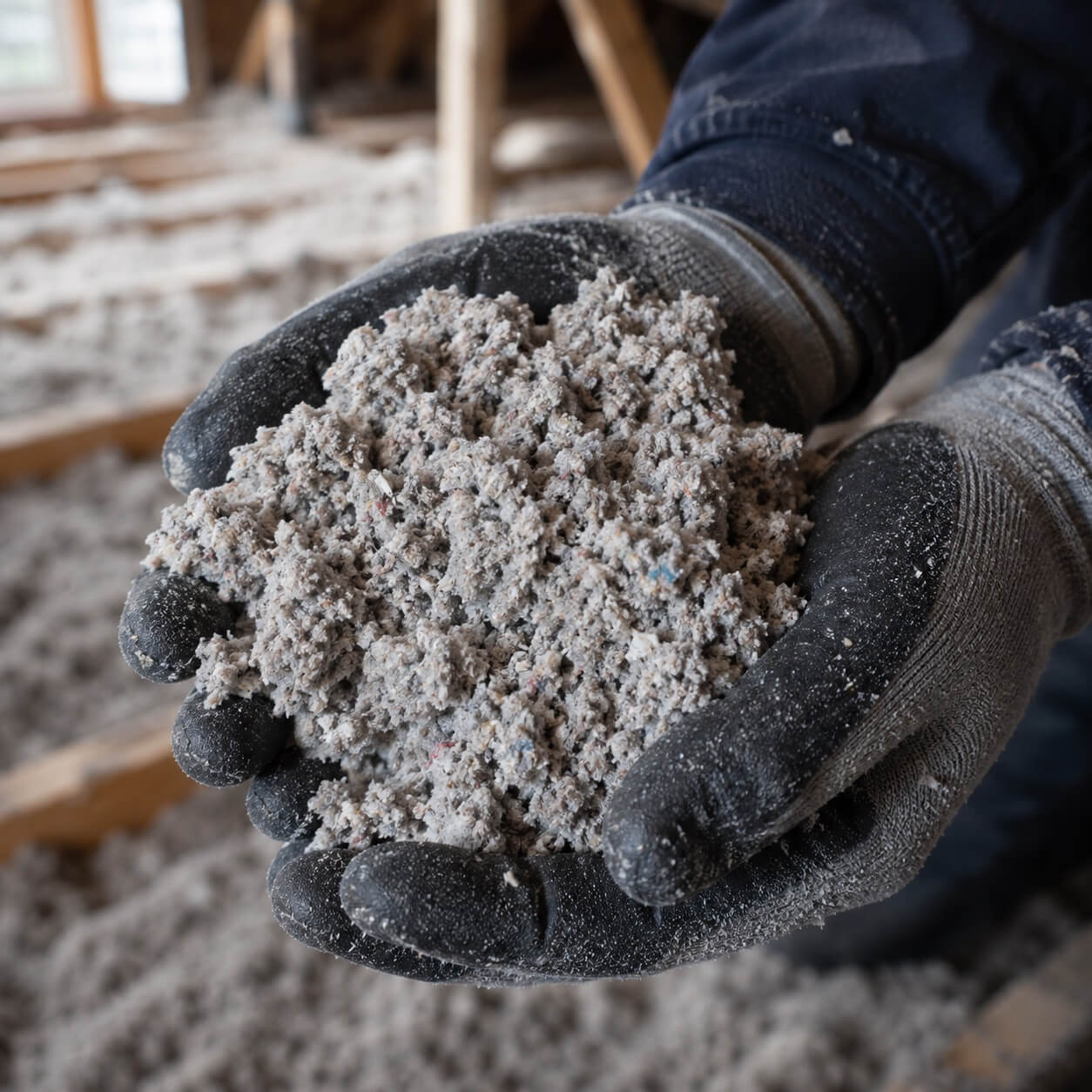
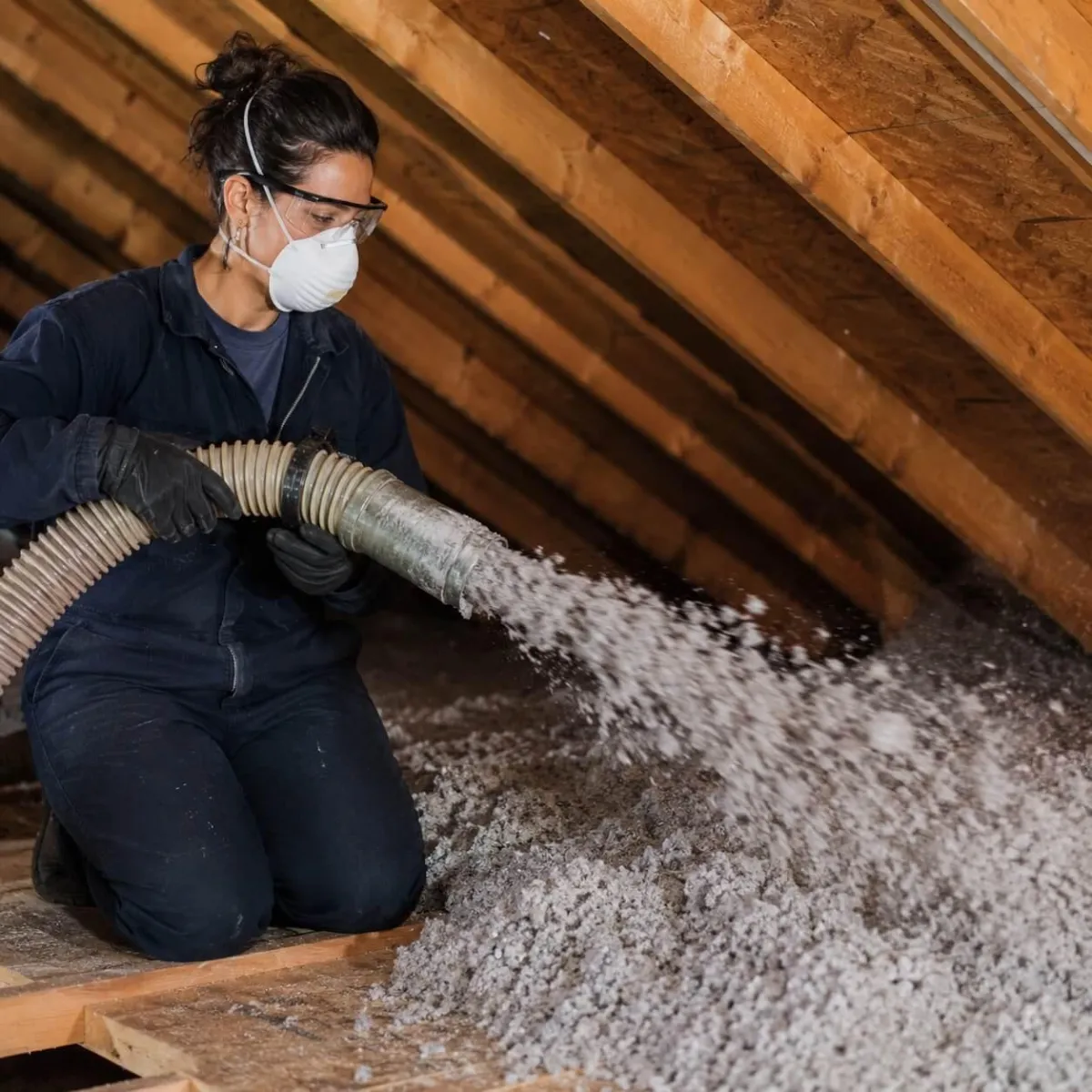
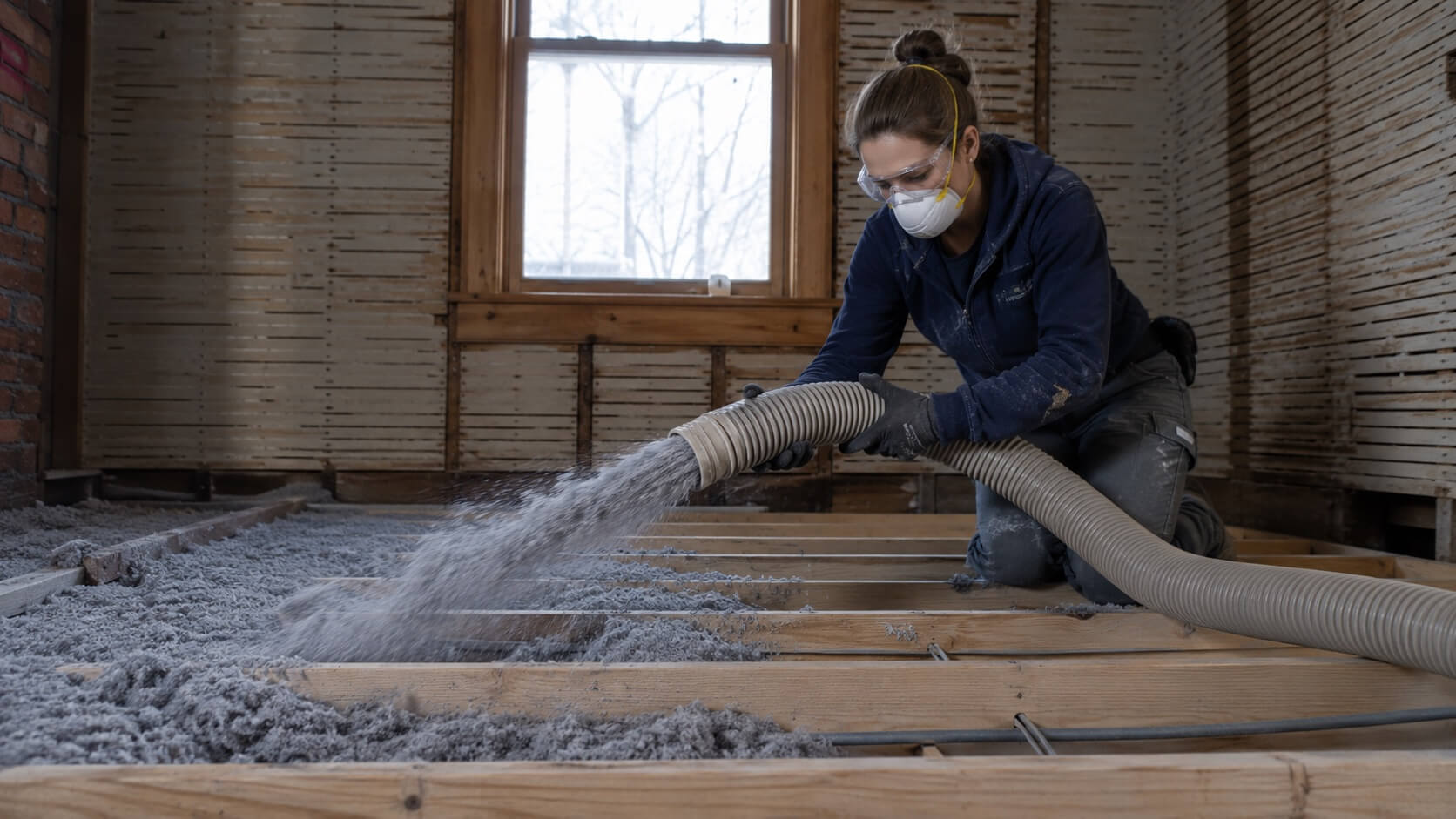
Cellulose is most commonly installed as a loose-fill or blown-in insulation. This allows it to conform to irregular spaces, making it particularly well suited to the varied construction found in Greater Kingston’s older housing stock. Typical applications include:
Attic floors: Blown over existing insulation or directly onto the ceiling surface between joists to increase overall R-value and reduce heat loss through the roof.
Closed wall cavities: Dense-packed into stud bays from the interior or exterior, ideal for drafty plaster-and-lath walls common in pre-1960 Kingston homes.
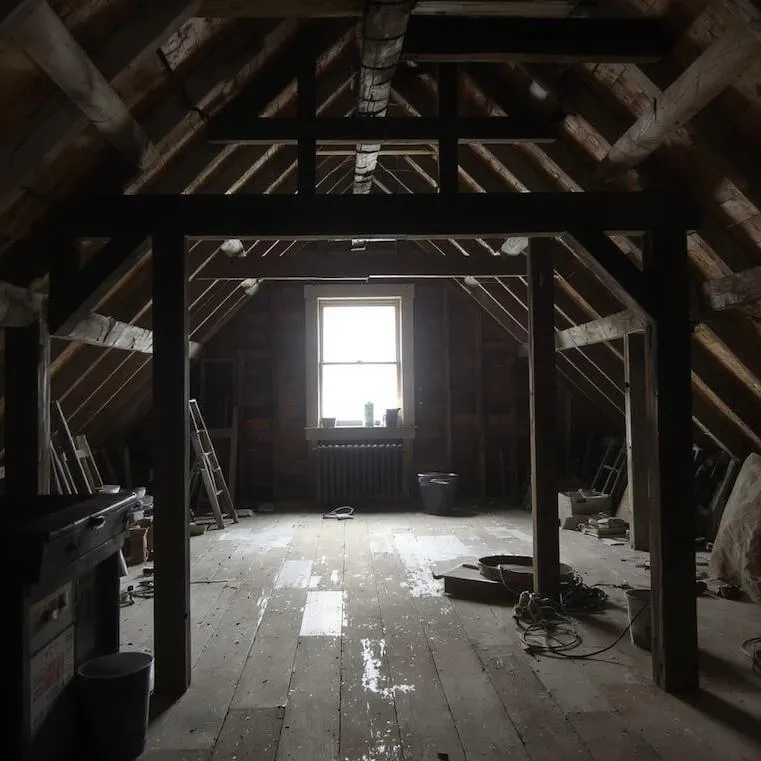
Sloped ceilings and knee walls: Used to improve comfort in finished attic spaces or story-and-a-half homes where access is limited.
In some cases, cellulose can also be used in portions of basements and crawl spaces, particularly in band joist areas (the perimeter where the floor framing meets the foundation). However, because these spaces can be damp and subject to freeze-thaw cycles, the design must be carefully considered to manage moisture and prevent condensation issues.
BEST PRACTICES FOR CELLULOSE INSTALLATION
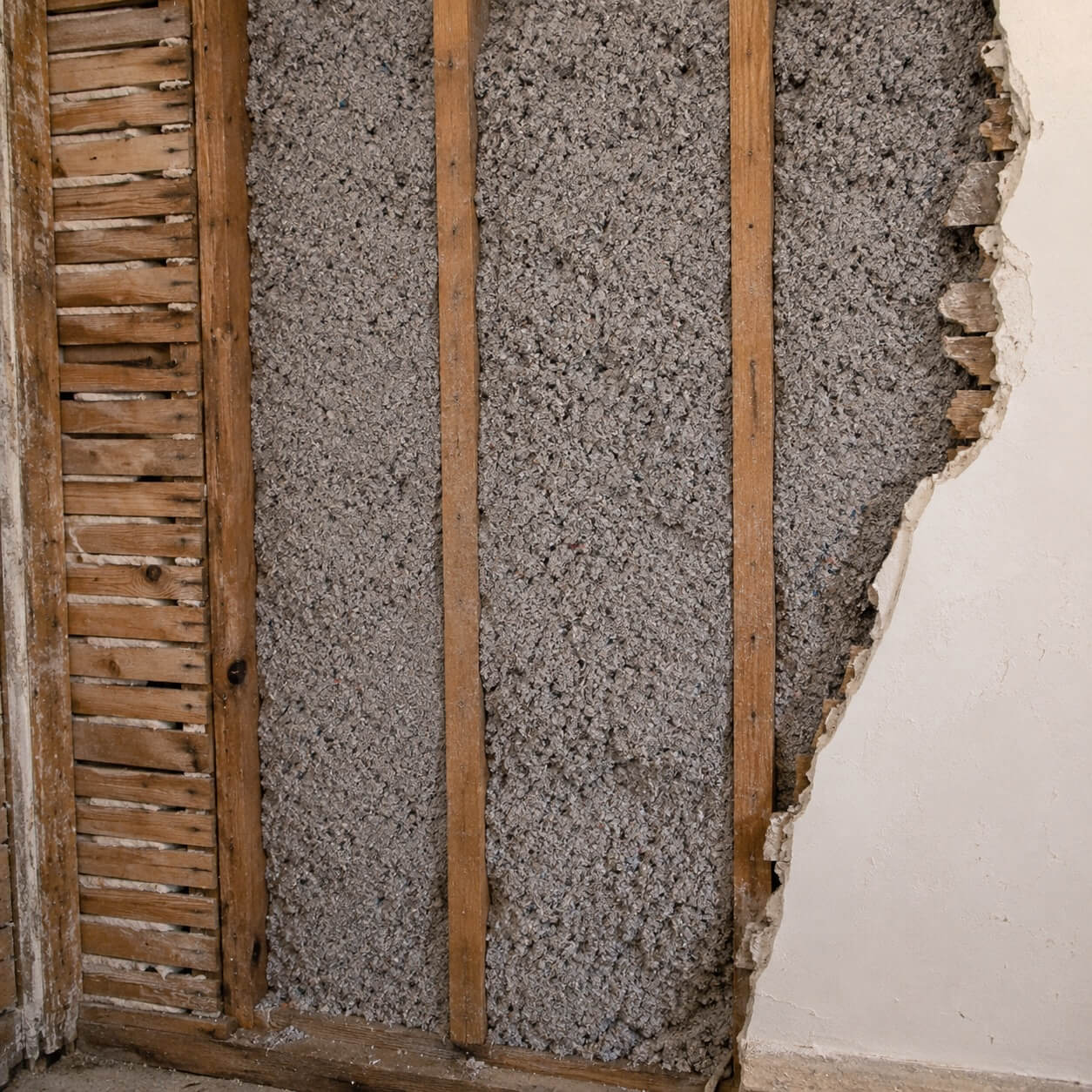
Proper installation is critical to getting the full benefit from Cellulose Insulation. While some big-box stores offer rental blowers for DIY work, many Kingston homeowners choose to work with a professional installer because of the attention to detail required. Key best practices include:
Air sealing before insulating: Gaps around light fixtures, plumbing penetrations, attic hatches, and chimney chases should be sealed with caulk or foam before cellulose is added. In Kingston’s windy winter storms, air leakage can undermine even a thick blanket of insulation.
Correct density: Attic loose-fill is installed at a lower density, while wall cavities require dense-pack techniques to prevent settling and reduce air movement. Professionals use charts and equipment settings to achieve the manufacturer’s specified coverage and R-value.
Protecting ventilation: Baffles at the eaves keep soffit vents clear so cold, dry air can move through the attic and reduce the risk of ice dams, a common concern during Kingston’s freeze-thaw cycles along Lake Ontario.
Moisture management: In basements and crawl spaces, insulating without addressing water entry, high humidity, or exposed soil can trap moisture. A professional will evaluate drainage, vapor barriers, and whether rigid foam or spray foam is more appropriate in certain below-grade applications.
📌 Key Takeaway: The performance of cellulose depends as much on air sealing, density, and moisture control as it does on the product itself. Consulting an experienced installer is often the most cost-effective route to long-term comfort.
HOW TO KNOW WHEN CELLULOSE SHOULD BE TOPPED UP
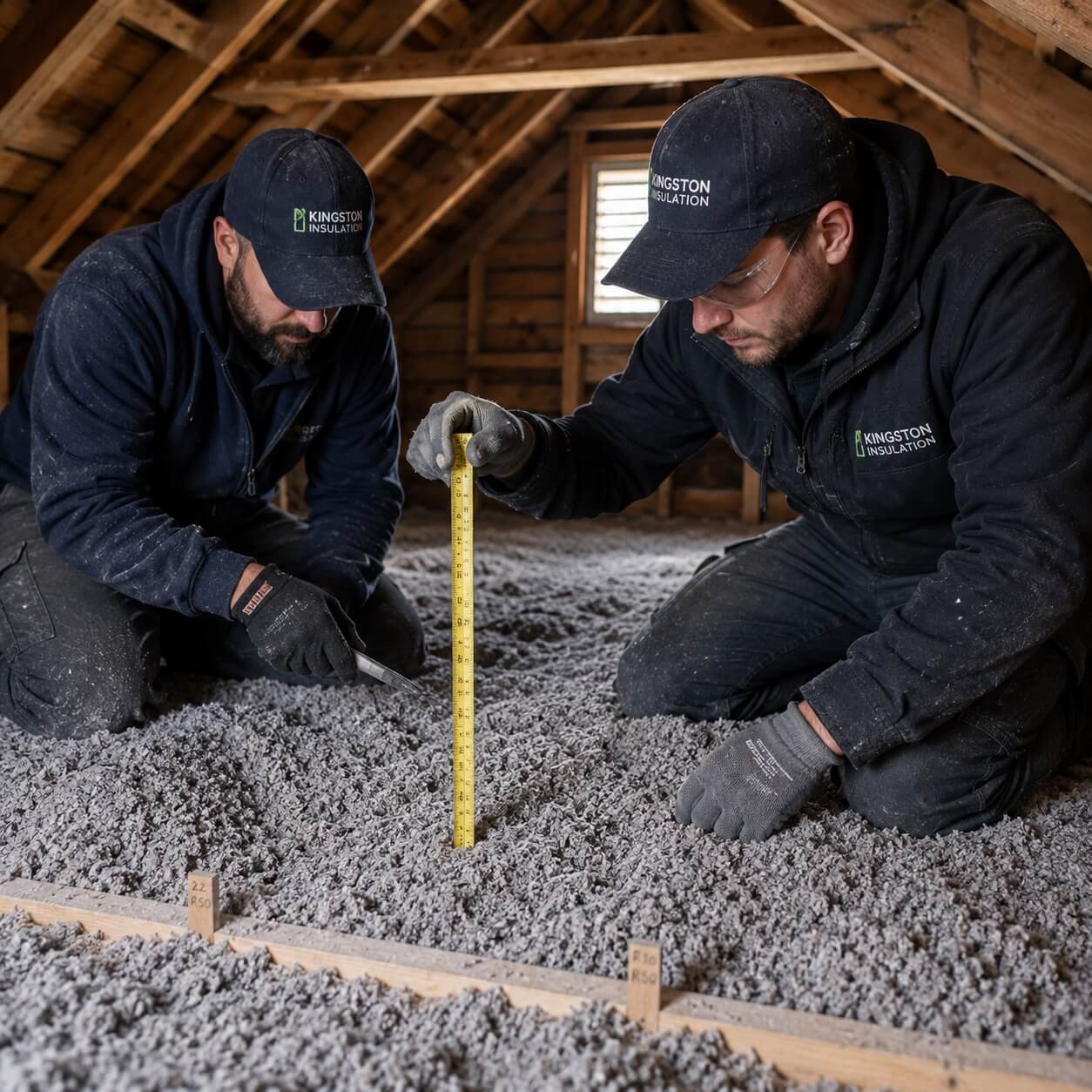
Like any loose-fill insulation, cellulose can settle slightly over time, especially if it was under-installed or blown at too low a density. In Kingston’s climate, where snow loads and temperature swings are significant, maintaining adequate attic insulation is one of the most impactful Home Insulation Tips. Signs that it may be time to top up include:
Visible joists in the attic: If you can clearly see the tops of the attic joists, your insulation level is likely below current recommended R-values for Eastern Ontario (often R-50 or higher for attics).
Uneven surface: Hills and valleys in the cellulose layer may indicate wind-washing, animal disturbance, or previous work that displaced material around ducts and wiring.
Ice dams and icicles: Persistent ice buildup along the roof edge after snowfalls can suggest heat loss through the attic, often due to insufficient insulation combined with air leakage.
Comfort and bill changes: Cold ceilings, drafty upper floors, or noticeably higher heating costs compared with similar Kingston homes can all be clues that your attic or walls are under-insulated.
A professional energy assessment or insulation contractor can measure existing depths, estimate R-values, and recommend how many additional inches of Cellulose Insulation are needed to reach current standards. This is especially valuable in older homes where construction details may not be obvious at first glance.
WHY CELLULOSE WORKS WELL IN KINGSTON ONTARIO
Greater Kingston has a unique combination of climate and housing characteristics that make cellulose a strong option for many properties. Winters are cold and often windy, with temperatures frequently dipping below freezing and significant lake-effect influences. These conditions lead to repeated freeze-thaw cycles that can stress building materials and expose weaknesses in the building envelope.
Many neighborhoods in Kingston, from Sydenham and Portsmouth Village to rural properties outside the city, feature older housing stock with solid masonry walls, stone foundations, and complex rooflines. These homes often have:
Limited or no original wall insulation
Irregular framing, making batt insulation difficult to fit tightly
Attic spaces with low slopes, dormers, and knee walls that benefit from a blown-in product
Dense-packed cellulose excels in these situations because it can be installed from the interior or exterior with minimal disturbance, filling voids and helping to reduce drafts. Its ability to slow air movement also enhances comfort during shoulder seasons when temperatures fluctuate above and below freezing, a common pattern along the St. Lawrence and Lake Ontario corridors.
BASEMENTS, CRAWL SPACES AND FREEZE-THAW CONSIDERATIONS
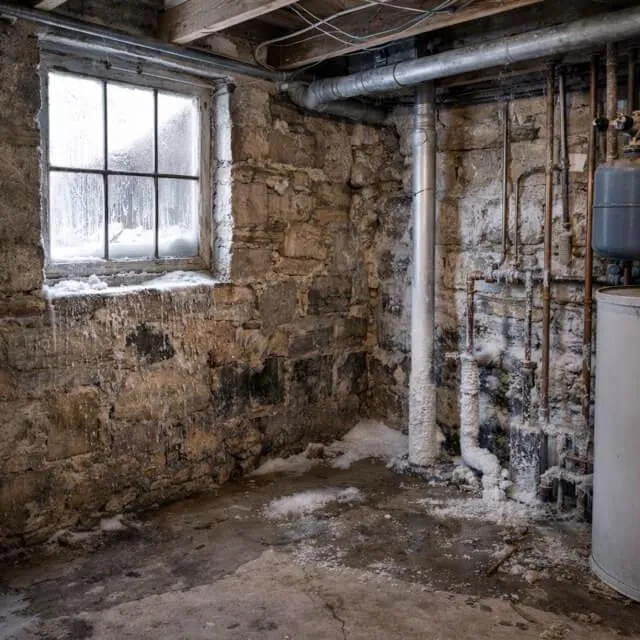
Basements and crawl spaces in the Kingston area are frequently constructed with stone or block foundations that are exposed to moisture and significant freeze-thaw cycles. While cellulose can play a role in improving comfort here, it must be integrated into a broader moisture and air control strategy.
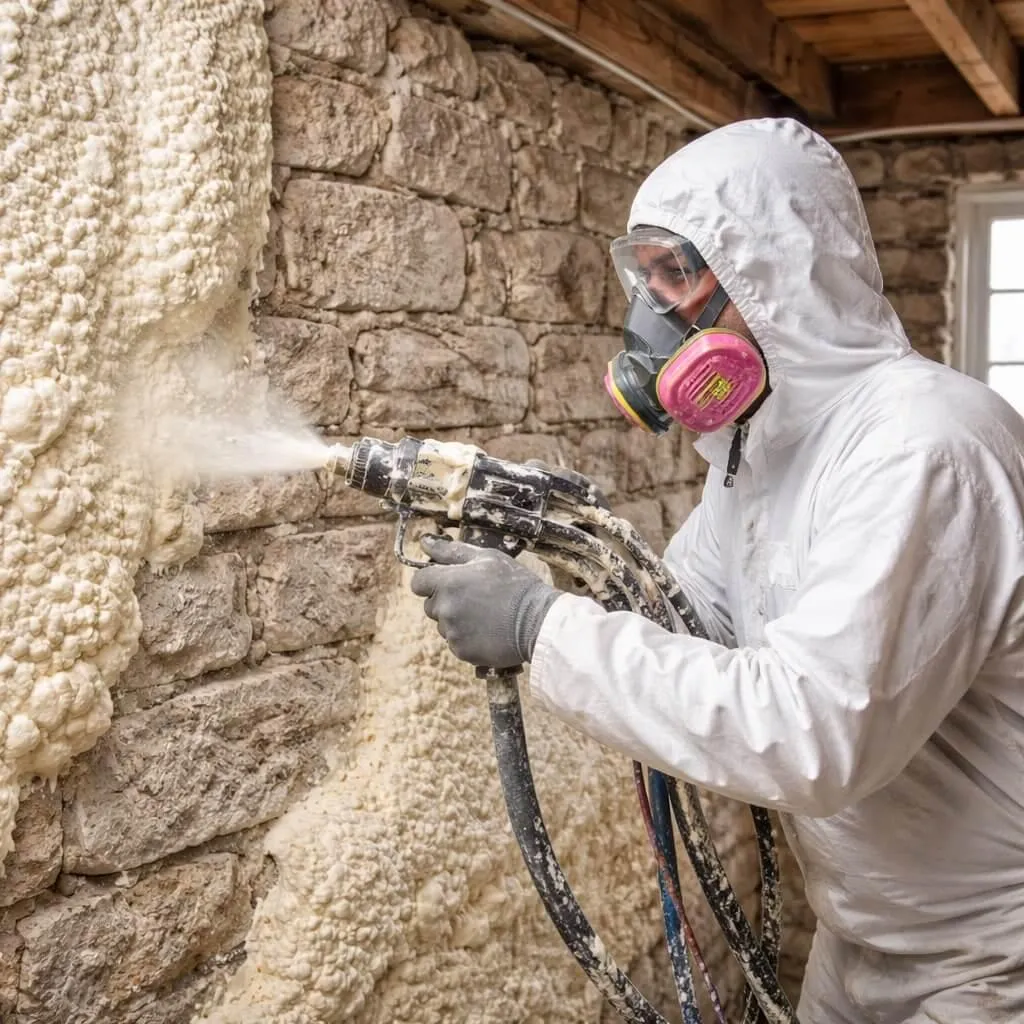
Basement rim joists: The band joist area is often one of the coldest parts of the home. Cellulose can be used in combination with air-sealing materials, though many professionals favor rigid or spray foam directly against masonry, with cellulose above in the floor system where conditions are drier.
Crawl spaces: In vented crawl spaces with exposed soil and seasonal dampness, cellulose is generally not the first choice. Instead, encapsulation, drainage improvements, and rigid insulation are typically recommended. Cellulose may be used in the floors above once moisture is controlled.
Freeze-thaw protection: Insulating the interior of foundation walls without addressing exterior water and frost exposure can sometimes worsen cracking or spalling. A qualified professional can evaluate whether cellulose belongs in the assembly or if alternative materials are safer.
💡 Pro Tip: Before adding any insulation to basements or crawl spaces, have moisture, drainage, and structural conditions assessed. In Kingston’s climate, this step is essential to avoid trapping water against cold masonry.
WHEN TO CONSULT A PROFESSIONAL
While some straightforward attic top-ups can be tackled by experienced DIYers, most cellulose projects benefit from professional planning and installation. This is especially true in Greater Kingston, where older homes, complex roof structures, and freeze-thaw dynamics introduce variables that are not always obvious from a quick visual inspection.
A qualified insulation contractor or energy advisor can:
Perform blower door testing to identify air leakage paths before insulation is added.
Recommend appropriate R-values for attics, walls, and floors based on current Ontario guidelines and local utility programs.
Determine where cellulose is the best fit and where other materials may be safer or more effective, particularly below grade.
For many Kingston homeowners, the most valuable Home Insulation Tip is to start with expert advice. A thoughtful plan can turn Cellulose Insulation into a long-lasting upgrade that delivers warmer winters, quieter interiors, and lower energy bills without creating new moisture or structural concerns.
By understanding what cellulose is made from, how it is used, the best practices for installation, and how to recognize when it is time to top it up, you can make informed decisions that respect both the character of your Kingston home and the realities of our local climate. When in doubt, partnering with a qualified professional is the safest path to a comfortable, efficient home that stands up to many more Kingston winters.